


Alliums actually repel common garden pests like aphids, making them hardworking partners in any border. You can use these bold, round blooms to add structure and height, and they’re surprisingly easy to combine with other plants. From classic purple borders to meadow-style mixes, there’s a smart approach for every garden style, and the details ahead will change how you plan your next planting.
Key Takeaways
- Plant alliums in odd-numbered clusters of three or five, spacing groups 18–24 inches apart for natural visual rhythm throughout borders.
- Layer heights by placing tall alliums at the back, salvia in the middle, and low nepeta at the front.
- Pair purple alliums with bold color contrasts like orange tulips, scarlet poppies, or white cow parsley for striking displays.
- Extend seasonal interest by mixing early, mid, and late-blooming varieties, tucking ornamental grasses between bulbs to hide dying foliage.
- For pots, choose deep containers with at least 12 inches of soil and compact varieties like ‘Drumstick’ or karataviense.
The Classic Purple Border: Alliums With Salvia and Nepeta

One of the easiest ways to pull off a stunning garden border is by pairing alliums with salvia and nepeta. These three plants create beautiful purple drifts that flow naturally together.
Place your tallest alliums at the back, and let the salvia fill the middle ground. Nepeta spills softly along the front edge, so you’ll get lovely layered textures from top to bottom.
This combination works because all three plants love full sun and well-drained soil. You don’t need gardening experience to make it succeed. Just plant them together, and nature does the rest. Keeping your border consistently watered is simple with a smart sprinkler system that automates the process and takes the guesswork out of irrigation.
Alliums and Ornamental Grasses: Layering for Movement

Purple borders look amazing, but grasses open up a whole new world of texture and movement. Pair alliums with ornamental grasses to create textural contrast and wind animation that keeps your garden lively. Grasses sway gently, and alliums stand tall, so they work together beautifully throughout the season.
Try these great pairings:
- Blue oat grass adds cool color contrast
- Feather reed grass provides strong vertical lines
- Mexican feather grass creates soft, airy movement
- Karl Foerster grass offers sturdy seasonal movement
- Purple fountain grass echoes allium color tones
You’ll love how dynamic this combination looks. To keep your outdoor space truly enjoyable, consider adding an outdoor mosquito system to protect your garden from pests while you relax among the grasses and blooms.
The White and Purple Combo: Alliums Paired With Cow Parsley

Among the most striking garden combinations, white cow parsley and purple alliums create a contrast that’s both bold and naturally elegant.
The texture contrast between cow parsley’s lacy, delicate blooms and alliums’ round, firm heads makes each plant stand out beautifully. Plant them together for smart seasonal timing, since both flower in late spring simultaneously.
You’ll get a natural, meadow-like feel without much effort. Their scent pairing is subtle but pleasant, adding gentle fragrance to your garden space.
Try this duo along pathways or borders, and you’ll notice how effortlessly they complement each other. To further enhance your outdoor space, a backyard birdhouse kit can attract wildlife that adds life and movement to these stunning floral displays.
Bold Color Clashes: Alliums With Orange Tulips and Red Roses

While soft and natural pairings have their charm, bold color clashes can be just as rewarding. Try planting purple alliums near orange tulips or red roses for a bright contrast that really pops. These combinations create complementary accents that make each color look stronger and more vivid.
Here’s what works well with alliums:
- Orange tulips in clusters of five or more
- Red climbing roses along a nearby fence
- Deep burgundy dahlias for layered depth
- Bright yellow wallflowers for extra warmth
- Scarlet poppies scattered between allium stems
You’ll love how bold these combinations look together. To further enhance your garden’s visual impact, consider framing these vibrant displays beneath an aluminum pergola structure that adds architectural contrast to the organic shapes of flowering plants.
Recommended Products

LARGE EASY TO GROW BULBS: Get 20 Purple Allium Bulbs, Shipped with care from our nursery in Iowa

Giant Purple Blooms: Create stunning visual impact in your garden with Allium Giganteum, featuring spectacular large globe-shaped flower heads in rich purple hues that can reach impressive sizes, making them perfect focal points in any landscape design

Blue Purple Rare Plant Flower Seeds: These seeds produce stunning blue-purple flowers, perfect for adding a unique charm to any garden or floral arrangement
Cottage Garden Planting: How Alliums Anchor a Chaotic Border

Cottage gardens thrive on a certain beautiful mess, and alliums are perfect anchors in that chaos. Their tall, round blooms create layered height among sprawling roses, foxgloves, and catmint.
You can plant them between soft, feathery plants to build textural contrast that keeps your border feeling intentional. Place alliums in clusters of three or five for natural-looking groups.
Their vertical stems rise clearly above lower plants, and their purple spheres draw the eye upward. This simple trick helps your whole border look planned, not accidental, even when everything else is happily tumbling together. To showcase your alliums even further, displaying them in large outdoor planters lets you position these bold blooms exactly where your garden needs a focal point.
The Minimalist Approach: Alliums in a Monochrome White Garden

A white garden stands out for its calm, clean look, and alliums fit right into that peaceful design. Choose white allium varieties, and you’ll create a serene, monochrome space.
Here are five white alliums that work beautifully:
- ‘Mount Everest’
- ‘Ivory Queen’
- Allium nigrum
- ‘White Giant’
- ‘Graceful Beauty’
You can pair their round heads against stark foliage like silver artemisia. Place textured urns nearby, and you’ll add structure without noise. For a more refined container display, outdoor copper planters can introduce warm metallic tones that complement the crisp white blooms without disrupting the minimalist palette. Keep spacing generous, since open space strengthens the minimalist feel.
Simple combinations create the strongest visual impact.
How a Naturalistic Meadow Design Lets Alliums Roam Free

Unlike the structured white garden we just explored, a naturalistic meadow design gives alliums room to spread and look effortless.
You can scatter natural seedmixes of grasses and wildflowers around your alliums, and they’ll blend together beautifully.
Let plants self-seed freely, and you’ll get new blooms each year.
Seasonal maintenance stays simple here.
Cut back dead stems in late autumn, and divide overcrowded clumps every few years.
You don’t need perfect rows or exact spacing.
Nature does the arranging, and your alliums become part of a living, breathing landscape that feels genuinely wild and wonderfully relaxed. For a vertical twist on displaying plants in smaller spaces, outdoor vertical planters can bring that same layered, organic feel to patios and walls.
Alliums in Pots: Which Varieties Work Best on a Patio?

Pots open up a whole new world for growing alliums on your patio. Your container choices matter, so pick deep pots that hold at least 12 inches of soil.
Dwarf cultivars thrive beautifully in confined spaces without feeling cramped. Try these top varieties for containers:
- Allium ‘Hair’
- Allium karataviense
- Allium ‘Gladiator’
- Allium moly
- Allium ‘Purple Sensation’
You’ll want well-draining soil and a sunny spot, and you should plant bulbs in fall for spring blooms.
Grouping three or more pots together creates a striking, intentional display that looks professionally designed. For a sleek, modern look, a stainless steel planter box can elevate the visual impact of your allium display even further.
Recommended Products

Deep planting space promotes root growth to keep plants healthy

Deep planting space promotes root growth to keep plants healthy
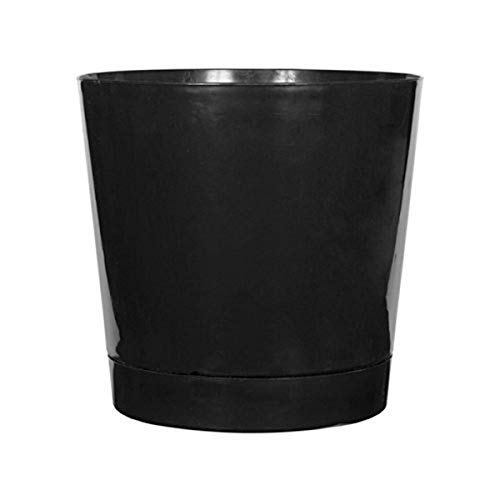
Deep planting space promotes root growth to keep plants healthy
The Best Allium Varieties for Borders, Pots, and Meadows

Choosing the right allium variety makes a real difference in your garden’s success. For borders, ‘Gladiator’ grows tall and bold, so it creates a stunning backdrop behind shorter plants.
You’ll love compact varieties like ‘Drumstick’ for pots, since they fit small spaces beautifully. Meadow gardens welcome ‘Purple Sensation’ because it naturalizes well and spreads gracefully each year.
Try fragrant selections like ‘Hair’ allium for something truly unique and conversation-worthy. Mix sizes and bloom times, and you’ll extend your display for weeks.
Every variety brings something special, so explore your options confidently. Pairing your alliums with premium terracotta pots gives their roots excellent drainage and adds a warm, earthy aesthetic to any arrangement.
Recommended Products

【What You Get】 6 pack of 6 inch high-fired terracotta pots, 6 plastic saucers, and 6 pot meshes. Terra cotta pot dimensions: 6” (top diameter) x 5.3” (height) x 3.8” (base diameter). Saucer dimensions: 5.2” (top diameter) x 1” (height) x 4.6” (base diameter). Flower pot hole conical mesh pad: 2.9”(diameter )* 2.1”(height) – all designed for seamless compatibility.

Premium Quality: These terra cotta pots are constructed of high-quality clay, which allows more water and air to circulate freely within the pots while yet maintaining their structural integrity. It's an excellent choice for cactus, succulents, and other plants that thrive in dry soil, and it's also appropriate for areas with lower temperatures. The high air permeability of the pot walls helps the soil to dry out more quickly

【High Quality Material 】Made of Top-Quality clay and baked at 980℃ high temperature, each terracotta pots features great durability and crack resistance ,and very smooth surface while maintaining good breathability. There is a small drainage hole at the bottom of each small terracotta pots to drain and ventilate, which can effectively prevent the roots of plants from rotting and make plants grow healthier.
How to Repeat Alliums Through a Border for Visual Rhythm

Repeating alliums through a border gives your garden a clear sense of rhythm and flow. Use staggered planting to place bulbs at different depths and intervals, and you’ll create natural-looking waves of color. Color echoes work beautifully here — plant alliums near purple salvia or blue catmint to repeat hues throughout the bed. For taller allium varieties that need structural support, metal tomato trellis cages can provide a sturdy and decorative solution to keep stems upright throughout the growing season.
Try these tips for visual rhythm:
- Plant in odd numbers like threes or fives
- Space clusters 18–24 inches apart
- Mix tall and short varieties
- Echo colors in nearby plants
- Stagger bloom times for continuous interest
You’ve got this!
How to Time Allium Blooms and Avoid Bare Patches

Timing your allium blooms takes a little planning, but it pays off with a border that stays colorful and full all season. Try staggered planting with early, mid, and late varieties so blooms arrive in waves. A bulb mix simplifies this process, and many garden centers label varieties by bloom time. Use a bloom predictor chart to map out your sequence before you plant.
Alliums leave gaps when they fade, so tuck in foliage fillers like ornamental grasses or catmint nearby. These plants cover dying leaves and keep your border looking intentional and full between flushes. For gardeners growing alliums indoors or in low-light spaces, LED grow light panels can supplement natural sunlight and support healthy bulb development year-round.
What to Plant After Alliums Fade

After alliums fade, the real fun of succession planting begins.
You can fill gaps with late season perennials that bloom just as alliums go dormant. Shade loving companions work especially well under taller plants.
Try these great follow-up plants:
- Catmint fills space quickly and blooms for months
- Salvia adds bold color and attracts pollinators naturally
- Hostas cover dying foliage with beautiful, lush leaves
- Echinacea rises tall and blooms through late summer
- Sedum stays low and thrives in dry, sunny spots
A garden kneeler bench makes planting these follow-up varieties much easier on your knees and back.
You’ve got this — plan ahead and your garden stays full!
Frequently Asked Questions
Can Alliums Tolerate Partial Shade or Do They Need Full Sun?
Alliums can tolerate partial shade, but they’ll perform best with morning sun. You can plant them at a woodland edge where they’ll catch dappled light, though too much shade reduces their blooming potential greatly.
How Deep Should Allium Bulbs Be Planted for Best Results?
Plant allium bulbs at a bulb depth of three times their diameter. You’ll get the best results by ensuring your soil texture is loose and well-draining, which encourages strong root development and vibrant blooms.
Are Alliums Toxic to Pets Like Dogs and Cats?
Yes, alliums are highly toxic to dogs and cats. They can cause serious toxic symptoms like vomiting, lethargy, and anemia. For pet safety, you should keep your furry friends away from these plants.
Do Alliums Come Back Every Year or Need Replanting Annually?
Want low-maintenance blooms? You’re in luck! Alliums exhibit perennial behavior, returning yearly from their bulbs. They’ll also spread through bulb division over time, giving you even more of those stunning purple pom-poms without replanting annually.
How Do You Prevent Allium Bulbs From Rotting in Wet Soil?
To prevent rotting, you’ll want to improve drainage by mixing grit or sand into your soil. You can also plant in raised beds, which keep bulbs elevated and away from waterlogged conditions.
Conclusion
You’ve got everything you need to make alliums work. Think of your border like a relay race—each plant passes the baton to the next, keeping color moving all season. One gardener filled a dull spring bed with ‘Purple Sensation’ and ornamental grasses, and by June it looked intentional and full. Start small, plant in odd numbers, and let the layers build confidence as you go.


