


Ohio grows more fruit trees than most people expect. The state’s mix of climates supports everything from native pawpaws to sweet cherries near Lake Erie. Some trees thrive in cold winters, and others need just the right soil to produce well. Choosing the wrong tree wastes years of effort, but choosing the right one rewards every season. Knowing which varieties suit your region, soil type, and available space will help narrow down the best options before planting begins.
Pawpaw, Ohio’s Only Native Custard Fruit
Growing a pawpaw tree gives Ohio gardeners access to a truly unique native fruit. The pawpaw is the largest fruit native to the United States. Its flesh is creamy and custard-like, with flavors similar to banana, mango, and pineapple.
This tree thrives in USDA Zones 5 through 8, making it well-suited for Ohio. Pawpaws prefer moist, well-draining soil rich in organic matter, and they naturally grow near stream banks and gully bottoms. Planting in these conditions helps trees establish well and produce fruit reliably during summer months. If you want to terrace a sloped planting area to better retain moisture around your pawpaw trees, using outdoor retaining wall blocks can help create stable, defined growing beds.
Apple Varieties Ohio Growers Actually Rely On

Ohio ranks among the top ten apple-producing states in the country, and home growers benefit from that same productive climate. Up to fifty varieties grow well here. Disease-resistant options like Gala, Honeycrisp, Fuji, Ida Red, and Crimson Crisp give backyard orchards a strong start, and they reduce the need for heavy spraying.
Apples prefer full sun and well-draining soil, ranging from sandy loam to clay. Slightly acidic to neutral soil works best. Choosing a disease-resistant variety from the beginning saves time and effort, and it gives growers a much better chance at a reliable annual harvest. Growers who start seedlings indoors or in small spaces often use premium terracotta pots to give young apple trees a stable, breathable environment before transplanting them outside.
Recommended Products

Extra-Sweet & Crisp Apples – Produces large, red-blushed apples with an exceptionally juicy texture and honeyed sweetness, perfect for fresh eating, baking, and cider-making

Live Fruit-Bearing Apple Tree – Grow your own crisp, tart Granny Smith apples right at home. This self-pollinating, high-yield apple tree produces firm, green apples perfect for fresh eating, baking, and cider-making

Live Fruit-Bearing Apple Tree – Produces large, deep red apples with a crisp, juicy texture and sweet flavor, perfect for fresh eating, baking, and juicing
Sweet Cherries Near Lake Erie, Tart Cherries Inland

Near Lake Erie, the climate shifts in a way that makes sweet cherry growing surprisingly practical. Milder winters and cooler summers create ideal conditions for sweet cherry varieties. Sandy loam soils in that region support healthy root development and good drainage.
Growers farther inland face harsher winters, so tart varieties work better there. Montmorency is a reliable tart cherry that handles central and southern Ohio conditions well. Hot, sunny summers help cherries ripen fully and develop strong flavor. Cherry trees generally prefer USDA Zones 5 through 7, so location matters when selecting the right variety. Displaying harvested cherries or growing small ornamental cherry trees in outdoor copper planters can add a decorative touch to any garden space.
Peaches That Survive Ohio Winters and Still Deliver

Peaches actually grow quite well in Ohio, and many growers are surprised by how reliably the trees produce fruit.
Ohio’s cold winters provide the necessary chill hours that peach trees need to break dormancy.
Cold-hardy varieties developed for northern climates handle Ohio winters especially well and produce consistent harvests.
Peaches need full sun and well-draining sandy loam soil to thrive.
Planting against a south-facing wall captures extra heat, which helps fruit ripen fully.
Trees grow in USDA Zones 5–9, making most of Ohio suitable.
With the right spot and variety selection, a productive peach tree is very achievable.
Protecting your harvest also means keeping wildlife away, and using a squirrel-proof bird feeder nearby can help deter squirrels from targeting your fruit trees as well.
Recommended Products

Due to agricultural laws, we cannot ship to California, Arizona, Alaska, or Hawaii; orders will be cancelled if you ship to one of these states

Due to agricultural laws, we cannot ship to California, Arizona, Alaska, or Hawaii; orders will be cancelled if you ship to one of these states

Nectarines and How to Ripen Them in Ohio

Nectarines are a sweet, tangy fruit that grows well in Ohio yards. They thrive in USDA Zones 5–9, making them a solid choice for most Ohio gardeners. Ripening nectarines well takes a few smart steps:
- Plant against a south-facing fence or wall to capture extra heat
- Water twice a week until rainfall becomes sufficient
- Choose dense, well-draining soil for healthy root growth
- Give trees full sun exposure for the best fruit development
Extra warmth helps nectarines ripen fully, and a south-facing wall provides exactly that reliable heat boost. Once harvested, nectarines pair beautifully with container gardens, and large outdoor planters make a stylish way to grow companion herbs or flowers nearby.
Recommended Products

8-PACK SET: (13" x 4.5" x 3.5") wall planters for indoor plants. Check and pick the right size for your plants to prevent any unpleasant experiences and potential wastage of resources. Plants NOT included

Purchase Note: It is not a complete face; its right side features a "damaged" style.view the pictures carefully before purchasing, Thank you
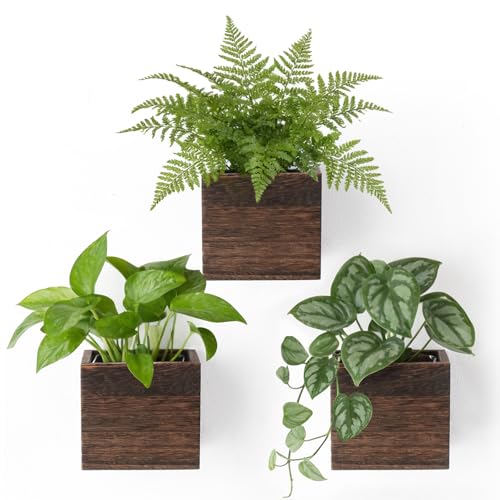
Complete Set & Ready to Use: A set includes 3 wooden square flowerpots and 3 transparent plastic boxes (Note: Plants are not included). The size of the wooden flowerpot is 4''×4''×3.5", and the size of the transparent plastic box is 3.1''×3.1". It comes with all the necessary accessories and can be used after simple installation
American Plum, a Wild Native Ohio Yards Can Use

While the American plum asks for far less fuss than many fruit trees, it rewards gardeners generously. This native tree grows wild across Ohio and adapts well to many conditions. It belongs to the rose family, which makes it naturally tough and flexible.
American plum thrives in full sun and prefers well-draining soil, but it tolerates a range of growing conditions without complaint. Hardy in Zones 3 through 8, it handles Ohio winters easily. In spring, it produces fragrant white blossoms that attract pollinators, and its small red to yellow fruits ripen by late summer, offering fresh eating, preserves, and jellies for those willing to wait out the season. Growing it alongside other plants becomes easier when you use metal raised beds to keep soil conditions controlled and roots well-drained.
Pear Varieties That Deliver Reliably Across Ohio

Few fruit trees offer what pear trees bring to an Ohio yard. European varieties like Bosc and Bartlett handle cold winters well and produce reliably.
Pears prefer deep, fertile, well-draining soil, and sandy loam rich in organic matter works best. Consistent watering during dry spells keeps trees healthy and productive.
- Zone 6 compatibility makes pears a solid Ohio choice
- Bosc and Bartlett varieties are cold-hardy and productive
- Deep, fertile, well-draining soil supports strong root development
- Regular watering during dry periods improves fruit quality
One important note: Callery pear was banned in Ohio in 2023.
A patio storage cabinet kept nearby makes it easy to store pruning tools, fertilizers, and watering supplies so everything you need for your pear trees stays organized and accessible.
Hardy and Arctic Kiwi for Ohio Growers

Many Ohio growers are surprised to learn that kiwi can thrive in their climate. Hardy kiwi and Arctic kiwi both handle Ohio winters well, and they grow vigorously once established. These vines can reach six feet of growth each year. Growers should prune before spring begins, removing wood that already fruited.
| Feature | Hardy Kiwi | Arctic Kiwi |
|---|---|---|
| USDA Zones | 4–9 | 4–9 |
| Best Region | Central Ohio | Northern Ohio |
| Cold Tolerance | Good | Excellent |
Both varieties reward patient growers with reliable harvests. When planting, provide a sturdy trellis or pergola structure, as mature vines become quite heavy. Most kiwi plants require both male and female plants for pollination, so plan to include at least one male plant for every eight female plants. Fruit typically appears within three to five years of planting, making site selection and soil preparation especially important in the early stages. Growers looking to maximize their planting space may also benefit from a vertical garden tower to support climbing vines in smaller yards.
Serviceberry, the Native Juneberry Ohio Gardeners Overlook

Serviceberry is a native fruit tree that Ohio gardeners often pass by without a second glance.
Also called Juneberry, this small tree grows naturally on slopes and in forests across the state. It thrives in zones 4–7 and produces sweet, early-ripening berries. Western Ohio gardeners should note that limestone-based soils limit its growth there. For gardeners who want to showcase their serviceberry or other small trees, a wrought iron archway can add structure and elegance to the planting area.
- Small tree reaching manageable heights for home yards
- Produces sweet berries that ripen early in summer
- Multiple species and hybrids grow well in Ohio
- Prefers well-draining soil away from limestone-heavy ground
Serviceberry rewards patient gardeners with reliable, native-grown fruit.
American Persimmon, Ohio’s Most Low-Maintenance Fruit Tree

Most fruit trees demand constant attention, but American Persimmon takes a different approach. This cold-hardy native grows up to 50 feet tall and produces sweet orange fruits without much fuss. It thrives in USDA Zones 4-9, making it reliable across Ohio.
Gardeners should choose well-draining soil with a slightly acidic to neutral pH, and avoid low spots where water collects, because persimmon roots dislike staying wet. Full sun helps fruit develop properly.
Once established, this tree handles drought and neglect surprisingly well, rewarding patient gardeners with a generous harvest each fall. Those looking to display smaller persimmon varieties on a patio can grow them in a stainless steel planter box for a clean, durable container option.
Elderberry, Ohio’s Native Berry Shrub for Sun or Shade

Growing elderberry is one of the easier choices an Ohio gardener can make. This native shrub thrives across the state and handles both sun and light shade well.
Elderberry grows well in these conditions:
- Reaches 8–12 feet tall with an open, arching shape
- Produces dark purple berry clusters rich in antioxidants
- Prefers moist, acidic, well-draining soil near waterways or open land
- Grows in USDA Zones 4–9, covering all of Ohio
It spreads naturally along roadsides and farmland, so it feels at home in most yards. Plant elderberry near a rain garden, low-lying area, or woodland edge where soil stays consistently moist for best results.
Gardeners gain a productive, low-fuss native plant with real nutritional value, along with the added benefit of attracting pollinators during bloom and birds during fruiting season.
Mulberry Trees Built for Ohio Sun and Open Space

Mulberry trees spread avidly across Ohio, thriving in open fields, along fencerows, and in sunny rural spaces. They grow best with at least six to eight hours of direct sunlight daily, so shaded or forested spots are poor choices.
Mulberries prefer well-draining soil enriched with organic matter, and they benefit from regular watering during dry periods. These trees fit naturally into Ohio’s rural landscape, and their adaptability makes them rewarding for patient growers.
Fruits ripen reliably each season, and their sweet flavor makes the harvest worthwhile. Mulberries belong in USDA zones four through eight, covering most of Ohio comfortably.
Crabapple, the Tart Native Fruit Ohio Gardens Underuse

Crabapple trees are a native gem that Ohio gardeners often overlook. These small trees produce fruits ranging from yellow to deep crimson, and they thrive across the state with minimal fuss. Crabapples need at least six to eight hours of direct sun daily.
- Fruits taste sweet to tart depending on variety
- Grows well in loam, clay, or sandy soil
- Soil must drain well to keep roots healthy
- Native sweet crabapple and hardy hybrids both perform well in Ohio
Rich, well-draining soil gives crabapples the best start, and consistent sunlight guarantees reliable harvests each season.
American Chestnut and Why It Belongs Back in Ohio

American chestnut is a native tree well worth planting in Ohio. It thrives in USDA Zones 4–9, making it a strong fit for eastern Ohio, where soils tend to be deeper and more acidic. The tree prefers full sun and moist, well-draining soil, so selecting the right planting site is important.
American chestnuts once fed Native Americans and supported entire ecosystems, and restoring them to Ohio landscapes carries real ecological and historical value. They perform best away from limestone-heavy soils, so growers should seek out naturally acidic ground for the strongest results. Testing soil pH before planting can help confirm suitability, with a target range between 4.5 and 6.5.
This native tree rewards patient gardeners with both a connection to the past and a productive harvest for years to come.
Black Walnut, Ohio’s Towering Native Nut Tree

Black walnut is one of Ohio’s most impressive native nut trees. It grows fast and can reach up to 80 feet tall. Squirrels help spread it by burying nuts across the landscape. It thrives in moist, well-draining soil with plenty of sun.
- Grows widely across Ohio, especially in the northeast
- Reaches up to 80 feet at full maturity
- Prefers moist bottomlands and open, sunny fields
- Needs well-draining soil for healthy root development
Planting black walnut gives Ohio yards a strong, productive native tree that provides food and lasting natural beauty.
Frequently Asked Questions
Can Multiple Fruit Trees Be Planted Together in the Same Ohio Yard?
Multiple fruit trees can be planted together in an Ohio yard. Varieties like apple, pear, plum, and cherry thrive when grouped, often improving cross-pollination, maximizing harvests, and creating a diverse, productive home orchard. When planning your layout, consider each tree’s mature size and spacing requirements to avoid overcrowding, and choose varieties with similar chilling hour needs to ensure they bloom and fruit successfully in Ohio’s climate.
Do Ohio Fruit Trees Require Special Permits or Licenses to Grow Commercially?
Ohio ranks among the top ten U.S. apple producers. Commercial fruit growers generally require state nursery licenses, pesticide applicator certifications, and must comply with Ohio Department of Agriculture regulations before selling produce commercially. Growers planning to sell at farmers markets or through wholesale channels should also check with their local county extension office, as additional registration requirements may apply depending on the scale of operation and the types of fruit being sold.
Which Ohio Fruit Trees Are Safe to Plant Near Children’s Play Areas?
Safe options near play areas include apple, pear, serviceberry, mulberry, and American persimmon. When selecting fruit trees for spaces where children spend time, also consider thornless varieties and trees that drop minimal debris to reduce slip hazards. Parents should avoid black walnut, which produces toxic juglone that can harm both people and nearby plants, and elderberry, whose raw berries and plant parts can cause illness if ingested.
How Do Ohio’s Seasonal Frost Dates Affect Fruit Tree Planting Schedules Overall?
Ohio’s frost dates significantly shape every planting decision growers make. Knowing the average last spring frost and first fall frost for your specific region within Ohio helps determine the safest window for establishing new fruit trees. Growers should aim to plant after the last spring frost has passed while allowing enough time before fall freezes arrive for trees like peaches and cherries to establish strong root systems without cold damage disrupting their growth cycles. In Ohio, last spring frost dates typically range from mid-April in southern regions to mid-May in northern areas near Lake Erie, making location a critical factor in timing. Planting too early risks frost damage to tender new growth, while planting too late in fall leaves roots insufficient time to anchor before winter sets in.
Are Any Ohio Fruit Trees Toxic to Common Household Pets Like Dogs?
Several Ohio fruit trees pose risks to common household pets. Black walnut hulls are toxic to dogs and can cause seizures or other neurological symptoms. Cherry, peach, plum, and nectarine pits contain cyanogenic compounds that release cyanide when chewed or broken down, making them dangerous if ingested by dogs or cats. Apple and crabapple seeds contain similar compounds and should also be kept away from pets. If you suspect your pet has consumed any part of these trees, contact your veterinarian or the ASPCA Animal Poison Control Center immediately.
Conclusion
Ohio’s orchards and backyards hold enough fruit to feed a small nation. Every tree on this list grows strong in Ohio’s soil, and each one rewards patient gardeners with harvests that pile up season after season. Pawpaws, apples, cherries, and chestnuts all belong here, and choosing the right tree for the right spot makes all the difference. Ohio growers have more options than they often realize.


