


Growing cucumbers well starts with the right food. Many gardeners overlook simple homemade fertilizers that work surprisingly well. Bone meal strengthens roots, and worm castings push yields noticeably higher. Blood meal delivers fast nitrogen, while compost builds natural pest resistance over time. Each of the 14 options ahead targets a specific plant need, and understanding which one fits each growth stage makes all the difference.
Bone Meal Makes Cucumbers Taste Better and Grow Bigger
Bone meal is a simple fertilizer that can make cucumbers grow bigger and taste better. It contains phosphorus, potassium, nitrogen, and calcium, and these nutrients support strong plant growth from root to fruit.
Gardeners make bone meal by grinding chicken or animal bones into a fine powder. Apply four to five teaspoons per plant directly into the growing medium. Repeat this every two to three months throughout the season.
Bone meal releases nutrients slowly, so plants absorb them steadily over time. Avoid over-applying it, because too much phosphorus can harm roots and reduce overall plant health. After collecting kitchen scraps used to make bone meal at home, storing them in a stainless steel compost bin helps keep the process clean and odor-free.
Recommended Products

STRONGER ROOT DEVELOPMENT: Bone Meal is a natural source of vital, readily available organic nitrogen, phosphorus and calcium that promotes strong plant roots, vibrant blooms and more delicious vegetables. Helps to enhance your plants throughout the growing season!

Package contains 50 organic bone meal plant fertilizer spikes and is produced to avoid wasteful runoff, mess, hazards and smells

SPECIALIZED VINE CROP FORMULA 8-16-36 — Engineered specifically for cucumbers, melons, squash, zucchini, and pumpkins; very high potassium (36%) prevents bitter fruit and malformed cucumbers while promoting crisp texture and extended shelf life
Worm Castings Give Cucumber Plants a Serious Yield Boost

Another great option for cucumber growers is worm castings. This organic fertilizer releases nutrients slowly and supports healthy plant growth. Gardeners should add one-quarter to one-half cup around each cucumber plant. Worm castings also help soil retain moisture, which benefits roots during dry periods.
| Worm Castings Benefit | Details |
|---|---|
| Nutrient Release | Slow and steady |
| Soil Moisture | Helps retain water |
| Beneficial Organisms | Improves soil biology |
| Yield Impact | Promotes high production |
| Application Amount | ¼ to ½ cup per plant |
This fertilizer genuinely improves soil biology, and healthier soil means stronger, more productive cucumber plants. When tending to cucumber beds, using a garden kneeler memory foam pad can make the application process much more comfortable on your knees.
Recommended Products

SUPERCHARGE YOUR GARDEN: Elevate your plants' growth with premium organic Brut Worm Castings. Our certified organic formula guarantees optimal nutrition for your indoor and outdoor plants.

Earth Worm castings from Mother Earth provide the best soil amendment for anything indoors or outdoors, including vegetables, herbs, flowers and houseplants. Pure USA Vermicompost, so there's no burn or odor.
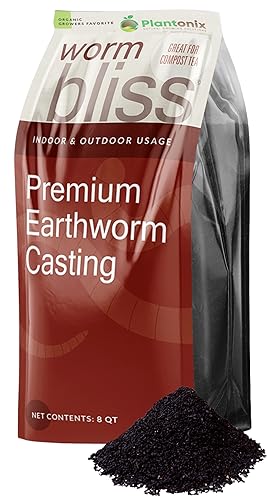
Organic Worm Fertilizer for Plants - Worm castings are a 100% natural soil amendment and garden fertilizer for indoor plants and outdoor plants. Organic earthworm castings are rich in essential nutrients like nitrogen, phosphorus, and potassium, as well as trace minerals that improve soil conditions for better overall plant mass.
Blood Meal Gets Fast-Acting Nitrogen to Your Cucumbers

Many cucumber growers find blood meal to be a reliable and fast-acting nitrogen source. It contains roughly 14–15% nitrogen, and this helps cucumbers develop strong, sturdy growth quickly.
Growers should apply 2–3 teaspoons directly into the growing medium at planting time. After that, adding a handful every 7–8 weeks keeps nutrients flowing steadily to the plants.
Blood meal works faster than many other organic options, so cucumbers respond noticeably within a short time. This fertilizer also contains phosphorus, potassium, and calcium, making it a well-rounded choice for supporting healthy cucumber production throughout the growing season. To further protect your garden setup, consider pairing your feeding routine with a squirrel-proof bird feeder to keep pests away from your growing area.
Recommended Products

Encourages Rapid Growth: True Organic Blood Meal is perfect for heavy feeders like corn, spinach, broccoli, and leafy greens, promoting vigorous vegetative growth.

GROW STRONGER PLANTS: Blood meal is an effective starter fertilizer and excellent source of nitrogen for green garden vegetables and colorful flower blooms. This natural soil amendment helps to promote bountiful growth and yield throughout your growing season.

FOR USE ON: Use Blood Meal organic fertilizer anywhere where nitrogen supplement is desired – nitrogen produces vigorous growth and deep green color. Use on Flowers, Vegetables, Trees & Shrubs.
Alfalfa Pellets Build Disease-Resistant Cucumber Plants Slowly

Alfalfa pellets offer cucumbers a steady, slow-release source of nitrogen throughout the growing season. This gentle feeding helps strengthen plant cell membranes, and stronger cells mean better resistance to common diseases.
Gardeners should soak a handful of pellets overnight, and then mix the softened pellets into the growing medium. This process releases nutrients gradually, giving roots consistent access to nitrogen.
Apply alfalfa pellets once every four to six weeks during spring, and avoid applying too frequently since excess nitrogen can reduce fruiting. This simple fertilizer supports healthy, sturdy cucumber plants without overwhelming them with nutrients all at once. For more efficient and even application of liquid fertilizers, an electric backpack sprayer can help distribute nutrients consistently across all your cucumber plants.
Cottonseed Meal Feeds Cucumber Plants for 3–4 Months Straight

Cottonseed meal feeds cucumber plants steadily for three to four months after a single application. It contains potassium, phosphorus, and nitrogen, and these nutrients release slowly into the soil over time.
Gardeners appreciate this fertilizer because it supports every growth phase, from early root development to final fruiting. It even enhances fruit taste noticeably.
Cottonseed meal works as a reliable organic nutrient source, and plants benefit without sudden nutrient spikes. Simply work it into the growing medium at planting time, and cucumbers will draw from that steady supply throughout the growing season without requiring frequent reapplication. For precise and even application, many gardeners prefer using a copper watering can to deliver liquid fertilizer solutions directly to the root zone.
Kelp Meal Keeps Cucumber Vines Strong and Pests Away

Kelp meal often surprises gardeners with how much it offers cucumber plants. It boosts potassium levels and strengthens vines during flowering and fruiting stages.
- Boosts potassium for stronger stems and healthier fruit development
- Resists pests naturally, reducing damage during the growing season
- Promotes sturdier vines that support heavier cucumber harvests
- Simple mixing: combine 2–3 cups kelp meal with 1–2 cups water for feeding
Gardeners apply this mixture during key growth stages, and results show noticeably stronger plants. For more efficient and even application, using a garden sprayer battery can help distribute the kelp meal mixture consistently across all your plants.
Kelp meal is a reliable, accessible option worth adding to any cucumber care routine.
Wood Ash Fertilizer Boosts Cucumber Flower and Fruit Production

Wood ash fertilizer gives cucumber plants a helpful boost during flowering and fruiting.
Wood ash fertilizer gives cucumber plants a powerful boost when they need it most — during flowering and fruiting.
It contains potassium and other minerals that support strong fruit development.
Gardeners can make a useful mixture using moist leaf mold, 20–30 pounds of wood ash, 1–2 pounds of sugar, and 1–2 pounds of kelp meal.
This combination feeds plants and encourages more flowers and fruits to develop.
The ingredients work together to deliver steady nutrients over time.
Watching preparation tutorials before starting helps guarantee safe and correct use.
Wood ash fertilizer is a simple, rewarding option for any cucumber grower.
Using premium stainless spades when mixing and applying these ingredients helps ensure clean, rust-free contact with your fertilizer blend.
Banana Peel Tea Gives Cucumber Plants an Easy Potassium Boost

Banana peels turn kitchen scraps into a potassium-rich treat for cucumber plants. Potassium supports flower and fruit production, and this simple brew delivers it steadily.
How to Make Banana Peel Tea:
- Collect 4–6 banana peels from the kitchen.
- Place peels in a jar and add 1 liter of water.
- Seal the jar and steep for 5–7 days.
- Pour the resulting tea directly onto cucumber plants.
This method costs nothing extra, and the nutrients absorb quickly into the soil. Consistent use encourages higher fruit yields naturally. For precise and mess-free application, a stainless steel watering can ensures even distribution of banana peel tea around your cucumber plants.
Epsom Salt Gives Cucumber Vines the Magnesium They Crave

Epsom salt often gets overlooked as a fertilizer, but it delivers magnesium that cucumber vines genuinely need. Magnesium supports lush foliage and helps plants produce more fruit.
The process is simple and affordable. Gardeners dissolve one to two teaspoons of Epsom salt into one gallon of water, then use that solution to water their cucumber plants. This feeding happens once every four to five weeks throughout the growing season.
Regular applications keep vines healthy and productive, and results become visible in fuller leaves and improved harvests. Epsom salt is a small addition that makes a meaningful difference. Using a soil tester digital pro can help confirm magnesium and nutrient levels in your garden bed before and after applications.
Fish Emulsion Stops Blossom Drop and Supercharges Cucumber Yield

Fish emulsion fertilizer gives cucumber plants a powerful boost during the growing season. It prevents blossom drop and supports higher yields, making it a smart choice for home growers.
How to Make and Use Fish Emulsion:
- Mix 3 parts sawdust, 1 part fresh fish, 1 bottle unsulfured molasses, and 1 cup water.
- Stir the mixture twice daily for 14–15 days.
- Store the bucket in a ventilated area during fermentation.
- Apply the finished emulsion to cucumber plants every 3–4 weeks throughout the growing season.
After harvesting, any leftover organic scraps from the process can be composted efficiently using an electric indoor compost bin to reduce waste and enrich future soil.
Home Compost Builds Pest-Resistant Cucumber Plants Naturally

Composting at home gives cucumber plants a natural defense against pests and diseases.
Gardeners mix half a gallon of ready compost with coconut coir at a 1:3 ratio, and this blend improves soil structure while feeding plants steadily.
Mix half a gallon of compost with coconut coir at a 1:3 ratio to improve soil structure and feed plants steadily.
Apply the mixture every two to three weeks for consistent results.
Compost introduces beneficial organisms that help roots absorb nutrients more efficiently.
Healthy roots mean stronger vines and better fruit production.
This method also builds long-term soil quality, so each growing season benefits from the last.
Home compost is practical, affordable, and rewards gardeners with resilient, productive cucumber plants.
How Coffee Grounds and Tea Leaves Favor Fruiting Over Leafy Growth

Coffee grounds and tea leaves bring quiet but real benefits to cucumber plants. Their modest nitrogen levels help plants focus energy on fruits rather than excess leaves.
- Nitrogen balance – Low nitrogen discourages heavy leafy growth and encourages fruiting instead.
- Weed suppression – Spreading grounds around plants naturally reduces competing weeds nearby.
- Disease resistance – These materials help protect cucumber plants against common diseases.
- Application methods – Brew them as liquid tea or mix directly into soil around plants.
Both options cost almost nothing and deliver steady, gentle support throughout the growing season.
Crushed Egg Shells Grow Crisper, Stronger Cucumbers

Egg shells are a simple kitchen scrap that deliver real results in the garden. They contain calcium, phosphorus, potassium, and magnesium, and these minerals strengthen cucumber plants while improving fruit quality.
Growers should collect a dozen shells and dry them completely before crushing. Crushed shells go directly into the planting hole or growing medium, and they release nutrients slowly over time.
This steady mineral supply helps cucumbers grow crisper and firmer. Calcium specifically supports stronger cell walls inside the fruit.
Egg shells cost nothing and reduce kitchen waste, making them an easy, smart choice for any cucumber grower.
Pet or Human Hair Is a Slow-Release Nitrogen Feed for Cucumbers

Often overlooked, pet or human hair is a surprisingly useful slow-release nitrogen source for cucumbers. Hair contains keratin protein, and keratin breaks down slowly to feed plants over time. Gardeners simply mix finely cut hair into the growing medium at planting.
Hair is an overlooked slow-release nitrogen source for cucumbers, as its keratin protein breaks down gradually to feed plants.
- Cut hair finely before mixing it into soil.
- Mix thoroughly into the growing medium at planting time.
- Expect gradual results as keratin releases nitrogen slowly.
- Enjoy sturdier vines and better cucumber production over time.
This method costs nothing and recycles everyday materials effectively.
Frequently Asked Questions
Can I Mix Multiple DIY Fertilizers Together for Better Cucumber Results?
Gardeners can mix multiple DIY fertilizers for better cucumber results. Combining worm castings, banana peel tea, and epsom salt, for example, addresses nitrogen, potassium, and magnesium needs simultaneously, promoting healthier growth and higher yields.
How Do I Know if I Am Over-Fertilizing My Cucumber Plants?
While over-fertilization theories often focus solely on yellowing leaves, root damage proves equally telling. Gardeners recognize over-fertilization when cucumber plants display burnt leaf edges, stunted growth, wilting despite adequate watering, or soil phosphorus buildup harming root development.
Which DIY Fertilizer Works Best for Container-Grown Cucumber Plants?
Worm castings work best for container-grown cucumbers, as they retain moisture, release nutrients slowly, and enhance soil biology. Epsom salt supplements magnesium, while banana peel tea provides potassium—both ideal for the limited growing space containers offer.
Are These DIY Fertilizers Safe Around Children and Household Pets?
Most of these DIY fertilizers are generally safe, though bone meal, blood meal, and fish emulsion may attract pets. Hair, eggshells, banana peels, and coffee grounds pose minimal risk to children and household animals.
How Soon After Planting Cucumbers Should I Start Applying Fertilizer?
Gardeners should begin fertilizing cucumbers at planting time. Blood meal, for instance, calls for 2–3 teaspoons applied immediately at planting, with follow-up feedings every 7–8 weeks to sustain steady, healthy growth.
Conclusion
Gardeners who use these 14 DIY fertilizers see real results. Consider Maria, a home grower in Ohio, who added worm castings and crushed eggshells mid-season and harvested 40% more cucumbers than the year before. Each fertilizer targets a specific plant need, and combining two or three creates a balanced feeding plan. Small, consistent efforts produce the healthiest vines, and the harvest rewards every bit of that steady attention.


