


A hammock strung between two oak trees can turn a plain backyard into your favorite spot all summer long. You don’t need a huge yard or a big budget to make it happen. From rope styles to hanging chairs, there’s a setup that fits your space, and the right choice depends on a few key details you’ll want to know first.
Key Takeaways
- Rope and quilted hammocks suit different comfort needs, while spreader bar styles make getting in and out easier and safer.
- No trees? Freestanding metal or wood stands, fence posts, or portable frames offer flexible, sturdy hammock support anywhere.
- Define your retreat with shade sails, outdoor lighting, a side table, potted plants, and an outdoor rug for ambiance.
- Budget hammocks start under $50, while weather-resistant quilted options with padded stands offer a worthwhile high-end upgrade.
- Hang the hammock’s center about 18 inches high and confirm weight capacity, anchoring to trees at least 8 inches wide.
Hammock Types: Rope, Quilted, Spreader Bar, and Hanging Chairs

When it comes to picking a hammock, you’ve got more options than you might think.
Rope hammocks offer classic rope textures that breathe well in summer heat. Quilted hammocks feel softer, but quilted maintenance requires occasional spot cleaning to stay fresh.
Spreader bar hammocks stay flat and open, making them easier to get in and out of safely.
Hanging chairs work great for smaller spaces, and they support one person comfortably.
Each style fits different needs, so consider your yard size, how many people will use it, and how much care you’re willing to give. A heavy duty hammock stand can support any of these styles without requiring trees or permanent posts in your yard.
Recommended Products

TWO PERSON HAMMOCK: Lazy Daze Hammocks are large enough to accommodate 2 people, designed to support up to 450 lbs. The newly arrived hammock length is 10.8 feet from loop to loop, and after hanging a few times, the length can reach approximately 11 feet. Bed size: 78" x 55", 130" between rings, and 150" with 2 zinc-plated hanging hardware
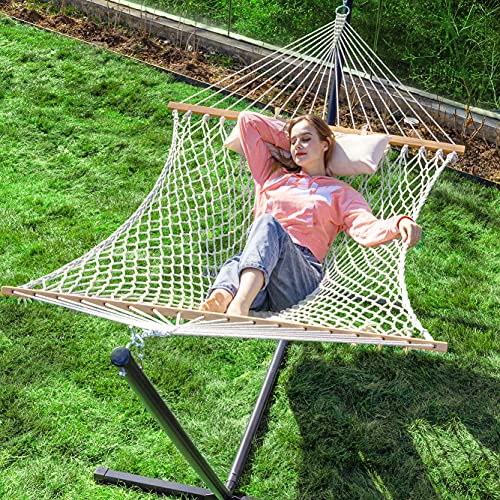
Traditional Rope Hammock: It is hand-woven with classic net-like cotton rope. Wooden sticks not only plays a role in balancing the hammock, but also forms a simple and powerful design with white cotton rope to hit you directly

TWO PERSON HAMMOCK: Lazy Daze Hammocks are large enough to accommodate 2 people, designed to support up to 450 lbs. The newly arrived hammock length is 10.8 feet from loop to loop, and after hanging a few times, the length can reach approximately 11 feet. Bed size: 78" x 55", 130" between rings, and 150" with 2 zinc-plated hanging hardware
17 Backyard Hammock Ideas for Every Yard Size and Style

Every yard size can work well for a hammock setup. Small spaces benefit from compact hammocks that fit between two close trees or posts. You don’t need a sprawling backyard to enjoy a peaceful retreat.
For coastal-style yards, coastal textiles like striped cotton or woven rope add a breezy, relaxed feel. Larger yards give you room to create a full hammock lounge area with shade and seating nearby.
Think about your yard’s shape, sun exposure, and existing features before choosing your setup. Your space has more potential than you think, and a hammock makes it better. Adding a premium hardtop gazebo nearby can define your hammock area while providing durable, year-round shade and shelter.
Backyard Hammock Ideas That Work Without Trees

Not every backyard has trees, but that doesn’t mean you can’t enjoy a hammock. Freestanding stands solve this problem quickly, and you can place them anywhere in your yard. These sturdy metal or wood frames hold your hammock securely without needing anchor points.
Portable frames are another great option, and they’re especially useful if you like rearranging your outdoor space. You can move them to follow shade or clear space for gatherings. Both options come in various sizes, so measuring your yard first helps you choose the right fit for your outdoor setup. If you need to haul equipment or supplies around your yard during setup, an all-terrain utility wagon makes transporting heavy items across uneven ground much easier.
Budget Backyard Hammock Ideas vs. High-End Setups Worth the Splurge

Setting up a hammock doesn’t have to drain your wallet, and you can find solid options at almost every price point. Budget alternatives like basic rope or polyester hammocks cost under $50 and work well for casual use. You can hang them between fence posts or a simple metal stand.
If you’re ready for luxury splurges, quilted hammocks with weather-resistant spreader bars and padded stands offer serious comfort and durability. They’re worth it for daily use. For added shade and comfort during peak sun hours, pairing your setup with a cantilever patio umbrella lets you enjoy your hammock without direct overhead sun exposure. Match your spending to how often you’ll actually use your hammock, and you’ll make the right call every time.
Recommended Products
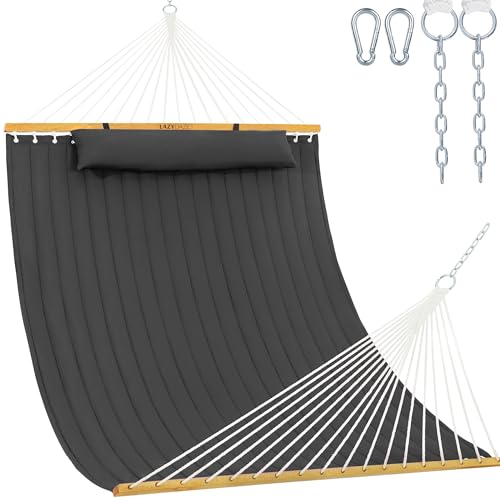
TWO PERSON HAMMOCK: Lazy Daze Hammocks are large enough to accommodate 2 people, designed to support up to 450lbs. 78"x55" bed size, 144" between rings and 164" with 2 zinc-plated hanging hardware

TWO PERSON HAMMOCK: Lazy Daze Hammocks are large enough to accommodate 2 people, designed to support up to 450lbs. 78"x55" bed size, 144" between rings and 164" with 2 zinc-plated hanging hardware

Quilted Hammock: Two-layers polyester fabric quilted with soft polyester padding and polyethylene-stuffing head pillow provides superior comfort. The 55" hardwood spreader bar is oil-rubbed finished for weather resistant and stability. The polyester ropes ends is woven by the hammock artisans for reliable use , and the thickness of the end ropes contributes to the balance and strength of the hammock.
How to Build a Full Backyard Hammock Retreat Around Your Hammock

Transforming your hammock spot into a full retreat takes just a few thoughtful additions.
Shade sails block harsh sun and create a defined, cozy space above your hammock. You can also string outdoor lighting nearby, and the soft glow makes evening relaxation feel magical. When shopping for one, look for a UV-resistant shade sail that suits both the size of your space and your preferred level of coverage.
- Add a small side table for drinks and books
- Place potted plants around the perimeter for privacy and color
- Lay down an outdoor rug to anchor the space and add warmth
These simple touches work together, and they’ll make your hammock corner feel like a true backyard destination.
Recommended Products

Premium UV Protection – Blocks up to 99% of harmful UVA & UVB rays to keep outdoor spaces cool and comfortable.
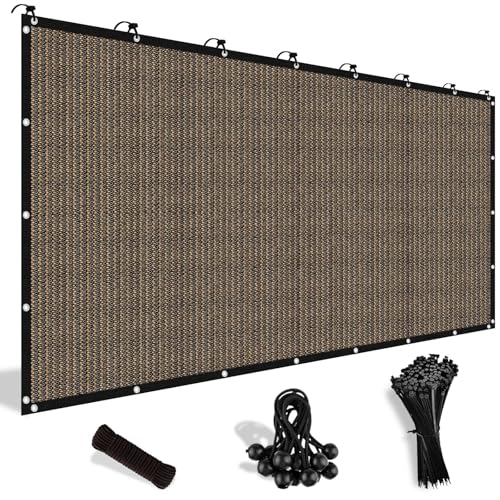
90% Sun Block: Shade&Beyond shade cloth with grommets provides 90% UV protection and resists UV fading. With excellent shading and heat insulation, you can get a shady retreat and keep your belongings away from the sun's harsh effects. By lowering the temperature under its shelter, these sunshades for patio always allow you to enjoy a cool and refreshing outdoor experience, making them ideal for patios, gardens, and more

UP TO 87% SHADE AND UV RESISTANT: Gorilla Grip Shade Sails will transform your patio; the thick material is UV resistant and provides up to 87 percent shade; helps you stay protected and comfortable in bright sunlight
Which Backyard Hammock Setup Fits Your Space and Lifestyle?

Choosing the right hammock setup depends on your yard size, your daily habits, and how you like to unwind. Small yards work well with freestanding frames, and larger spaces can handle full canopy retreats.
Think about indoor shifts too, since placing your hammock near a door lets you move inside quickly when weather changes. Pet accommodations matter more than you’d think, so consider low-hanging designs your dog can rest beside.
You don’t need a perfect yard. You just need a setup that fits your real life and makes relaxing feel easy and natural every day. Pairing your hammock area with a patio chaise lounge set gives you more seating options for days when you want to stretch out without swinging.
How High to Hang Your Hammock : and How Much Weight It Can Hold

Getting the height right makes your hammock safe and comfortable to use. Hang your hammock at the ideal height of 18 inches off the ground, and you’ll be able to sit and swing your legs in easily. Always check your hammock’s weight capacity before buying, since most hold between 250 and 450 pounds.
- Hang it so the center sits about 18 inches above the ground
- Look for a weight capacity label on the packaging or product tag
- Use sturdy anchor points like trees at least 8 inches wide or a strong stand
A patio storage cabinet nearby keeps cushions, straps, and hammock accessories organized and protected from the elements.
Frequently Asked Questions
Can Hammocks Be Safely Used During Pregnancy With Proper Support?
You can safely use pregnancy hammocks with proper support, but you’ll want to consult your doctor first. Prenatal safety depends on your trimester, comfort, and how well you’re positioned to avoid strain.
What Permits or HOA Approvals Might Be Needed for Permanent Hammock Structures?
You’ll need to check local property permits for permanent structures and secure hoa approvals before installation. Contact your municipality and HOA board, as requirements vary based on structure size, materials, and placement.
How Do You Properly Clean and Remove Mold From Fabric Hammocks?
Mix white vinegar and water, then scrub the mold away with a soft brush. For stain treatment, apply baking soda paste before rinsing. You’ll achieve full fabric restoration by air-drying your hammock completely in direct sunlight.
Are Hammocks Safe for Children, and What Age Is Appropriate?
Coincidentally, most parents ask this right before summer! Hammocks can be safe for children with proper child supervision. You’ll want to follow age guidelines recommending kids under 3 avoid them entirely, while older children need constant adult oversight.
Can Hammocks Damage Trees Over Time With Prolonged Use?
Yes, hammocks can damage trees over time. You’ll cause tree bark abrasion from rope friction and root compaction from foot traffic. Use wide tree straps to distribute pressure and protect your trees.
Conclusion
Your backyard hammock retreat is within reach. Even ancient Romans knew the value of a good rest, and you can have that same luxury today. Pick a style that fits your space, add a few cozy touches, and you’re set. You don’t need a big budget or giant trees to make it work. Start simple, stay safe with proper hanging height, and enjoy your new outdoor escape.


