


Cashew trees need warm, humid weather and at least six hours of daily sun. They thrive in USDA zones ten to eleven, where gentle breezes protect young saplings. Plant them in well‑draining loamy soil with a pH of five point five to seven, adding compost to boost nutrients. Space each tree about five meters apart to allow air flow and growth. Water deeply after planting, then let the soil dry slightly between irrigations as the trees mature. This setup lays a solid foundation for future fruit and nut production, prompting the next steps in orchard management.
Choose the Ideal Climate & USDA Zone for Cashew Trees

During the growing season, a cashew tree thrives in warm, humid weather. It prefers temperatures near twenty‑five degrees Celsius and at least six hours of direct sunlight daily. Microclimate mapping helps growers locate spots with consistent moisture and wind protection, especially in urban cultivation projects.
Choose USDA Zones ten or eleven because they match the tree’s tropical‑subtropical needs, and avoid colder zones that limit fruiting. Plant trees where humidity stays high and temperature swings stay modest, and use simple windbreaks to reduce pest pressure. This approach guarantees steady growth, reliable nut production, and manageable maintenance for city gardeners. For growers extending their season or protecting young trees in marginal zones, using greenhouse polycarbonate panels can shield saplings from unexpected temperature dips and wind damage.
Pick the Right Soil and pH for Cashew Trees

The climate guide shows that warm, humid conditions help cashew trees thrive, and now the focus shifts to soil.
Good soil supports strong roots, and healthy microbes keep nutrients moving, while pH buffering protects against swings that could stress the tree.
Choose a loamy mix that drains well and holds some moisture, and test the pH to keep it between 5.5 and 7.
Add organic compost to feed soil microbes, and use lime or sulfur if the pH drifts.
For gardeners who want precise control over soil conditions, metal raised beds can make it easier to manage drainage and pH from the start.
- Secure drainage, avoid heavy clay.
- Maintain pH 5.5‑7 with buffering agents.
- Enrich with organic matter for microbes.
Prepare Seeds and Germinate Cashew Saplings

Preparing cashew seeds begins with drying them for three days, which reduces excess moisture and prevents mold. The seed coat then cracks slightly, allowing water to enter.
After drying, soak seeds overnight in lukewarm water, which starts dormancy breaking and softens the coat. Perform botanical testing by checking for viability; firm seeds are likely healthy.
Hormonal priming follows, using a dilute gibberellin solution to stimulate growth. Plant each seed in a peat‑lite mix, covering lightly, and keep the medium moist but not soggy.
Maintain warm temperatures, and seedlings usually emerge within ten days, ready for careful transplanting. For those interested in smaller-scale herb cultivation alongside their cashew projects, an indoor herb garden system can provide a convenient and controlled growing environment.
Space Cashew Trees for Maximum Yield

Spacing cashew trees begins after seedlings have been hardened off and are ready for planting. Proper row spacing lets each tree grow without crowding, and alley cropping can improve sunlight exposure while supporting soil health.
Use 3‑meter gaps between rows and 5‑meter gaps between trees within each row to maximize airflow and reduce disease risk. Plant companion grasses or legumes in the alleys to protect soil and add nutrients.
- Set row spacing at three meters for best airflow.
- Place trees five meters apart within each row.
- Integrate alley cropping with low‑growth legumes for soil and.
Collecting rainwater through a rain barrel system can provide a reliable and sustainable water source for irrigating cashew trees throughout dry seasons.
Water Cashew Trees From Seedlings to Maturity

Watering seedlings early guarantees strong roots, and regular moisture supports steady growth.
Seedling watering should begin within the first week after planting, and the soil must stay consistently damp but not soggy.
Young trees need deep watering two to three times weekly during hot months, and this frequency helps prevent drought stress that can stunt development.
As trees mature, watering intervals can extend to once a week, yet soil should still dry slightly between applications.
Mulch around the base to retain moisture and suppress weeds.
Using a soil tester digital pro helps monitor moisture and nutrient levels accurately, ensuring your cashew trees receive precisely what they need at every growth stage.
Overwatering must be avoided because waterlogged roots invite disease, and careful observation safeguards healthy, resilient cashew trees.
Fertilize Cashew Trees at Each Growth Stage

Good moisture in the early weeks helps young roots grow strong, and as the tree ages the fertilizer schedule shifts to match its needs.
Early seedlings require a balanced 10‑5‑5 blend applied every four weeks, and a light foliar feeding of seasonal micronutrients supports leaf development.
Mature trees benefit from slow‑release N‑P‑K 8‑3‑9 applied bi‑monthly, combined with compost and a foliar spray of micronutrients each season to sustain fruit set.
- Seedling stage – light N‑rich fertilizer, monthly foliar micronutrients.
- Juvenile stage – balanced N‑P‑K, quarterly foliar micronutrient boost.
- Mature stage – slow‑release N‑P‑K, bi‑monthly compost, seasonal foliar micronutrients.
Using a large compost tumbler makes it easier to produce a steady supply of rich, finished compost to incorporate into your bi‑monthly feeding routine.
Recommended Products
![𝐁𝐄𝐒𝐓𝐒𝐄𝐋𝐋𝐄𝐑 10-10-10 Plant Fertilizer Slow Release | 10 10 10 All Purpose Fertilizer for Fruit Trees, Evergreens, Vegetables, Arborvitae, Fig Trees, Shrubs, Pines, Oaks, Flowers [8 OZ]](https://m.media-amazon.com/images/I/51-q3qOxQSL._SL500_.jpg)
🌱 ALL-PURPOSE PLANT FOOD - Balanced 10-10-10 NPK fertilizer supports strong root development, lush foliage, and vibrant blooms for vegetables, flowers, trees, shrubs, and lawns.
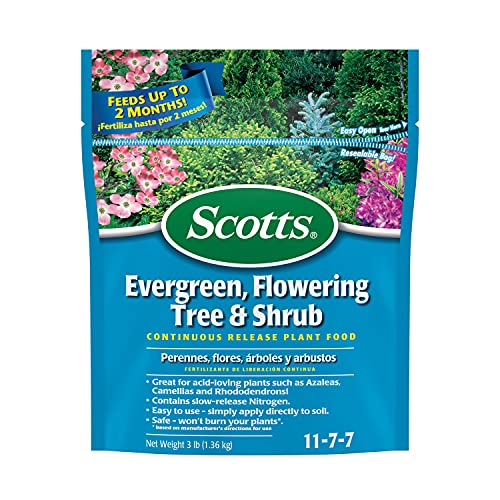
Excellent for evergreens, dogwoods, hydrangeas, magnolias and many other acid-loving trees and shrubs
![𝐁𝐄𝐒𝐓𝐒𝐄𝐋𝐋𝐄𝐑 10-10-10 Plant Fertilizer Slow Release | 10 10 10 All Purpose Fertilizer for Fruit Trees, Evergreens, Vegetables, Arborvitae, Fig Trees, Shrubs, Pines, Oaks, Flowers [1 Quart]](https://m.media-amazon.com/images/I/51zxZ41jhBL._SL500_.jpg)
🌱 ALL-PURPOSE PLANT FOOD - Balanced 10-10-10 NPK fertilizer supports strong root development, lush foliage, and vibrant blooms for vegetables, flowers, trees, shrubs, and lawns.
Prune and Train the Canopy of Cashew Trees

Begin by inspecting the tree’s branches for dead or crowded growth, and then cut them back with clean, sharp shears. Remove any broken or diseased limbs. This clears airflow and reduces disease risk.
Next, thin overly dense shoots to create a balanced shape. The gardener should aim for scaffold formation, selecting three to five strong vertical leaders.
Late pruning can be done after fruit set to tidy the canopy. Trim new shoots that crowd the scaffold, ensuring each leader receives enough light.
This practice promotes even fruit distribution and stronger wood. For precise cutting tasks, a forged steel garden fork can assist in clearing debris and loosening soil around the base of pruned branches. Regularly repeat the cycle each season for consistent results.
Manage Common Pests and Diseases on Cashew Trees

Inspect the tree regularly to catch pests early, and remove any damaged leaves promptly. Integrated pest‑management helps keep populations low, while disease‑resistant cultivars reduce infection risk.
Simple actions protect yields and keep trees healthy.
- Monitor and scout – Walk the orchard weekly, look for holes, webs, or yellow spots, and record findings.
- Apply targeted controls – Use neem oil or pheromone traps for tea mosquito, and prune out infested branches to prevent spread.
- Promote vigor – Mulch, water appropriately, and fertilize lightly to strengthen trees, because strong trees resist many diseases.
For larger orchards, an electric backpack sprayer makes applying neem oil or other treatments faster and more consistent across all trees.
Recommended Products
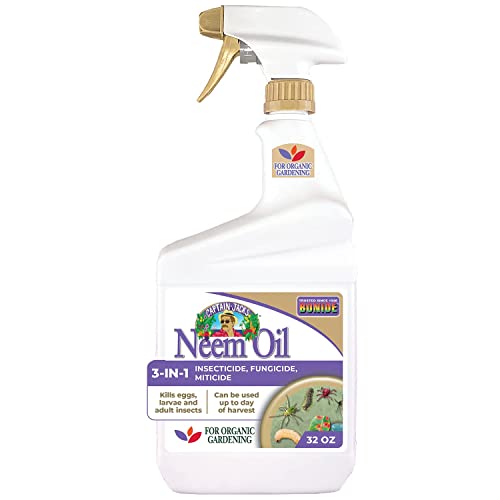
Protect your oasis with 3 garden products in 1 from Captain Jack’s; Bonide Captain Jack’s Ready-to-Use Neem Oil spray for plants is a multi-purpose fungicide, insecticide and miticide for your lawn & garden

FOR ORGANIC GARDENING - Captain Jack's NeemMax is a perfect pest control solution for any garden dealing with mites, flies, mildew, and more. This product is a four-in-one insecticide, fungicide, miticide, and nematicide.

PLANT DISEASE CONTROL: Natria Neem Oil acts as an insecticide and fungicide in one convenient spray; Ready-to-use trigger sprayer requires no mixing
Harvest Ripe Cashew Apples and Nuts

When the cashew apples turn pink or red, they are ready for harvest, and the nuts beneath the shells have hardened, indicating maturity. Workers cut branches with clean pruners and collect fruit in baskets.
The apples are gathered first because they bruise easily, and the nuts are placed in a separate container. Apple processing begins by washing the fruit, then slicing it for juice or drying.
After sorting, the nuts are spread on a tarp to dry for several days. Cashew fermentation may follow if the farmer wishes to improve flavor, and the dried nuts are stored in cool, dry conditions.
This routine guarantees quality and yields. When working outdoors in remote areas during harvest, having an outdoor water purifier on hand ensures access to safe drinking water throughout the day.
Safely Remove Toxic Oil From Raw Cashews

Remove the protective shell carefully, then soak the raw cashews in warm water for 30 minutes to soften the toxic oil. This step begins toxin extraction and follows safety protocols. After soaking, pat the nuts dry with a clean towel, then place them on a tray for roasting. Roast at low heat, stirring frequently, until the oil evaporates and the shells crack open. Finally, discard the shells and wash the nuts before storage. For managing organic waste from the process, a stainless steel compost bin is an excellent option for disposing of discarded shells and other organic material.
- Soak and pat dry
- Roast at low temperature
- Discard shells and wash nuts
Calculate When Your Cashew Orchard Becomes Profitable?

After removing the toxic oil from raw cashews, the next step is to figure out when the orchard will start earning money. Farmers should first list all initial costs such as land preparation, seedlings, and equipment.
Then they estimate yearly income from nut sales and compare it to ongoing expenses. Simple cash flow projections help visualize when revenues exceed costs.
By adding up yearly profits they can identify the break‑even year. If the orchard reaches break‑even within three to five years, it is considered a good investment.
Regularly updating projections guarantees decisions stay realistic and the orchard remains financially healthy.
Source Seedlings and Grafted Cashew Trees for Expansion

Start by locating reputable nurseries that sell healthy cashew seedlings and grafted saplings, because quality plant material determines orchard success. Choose partners that share clear nursery partnerships, and verify legal importation rules before ordering. This guarantees healthy trees arrive on time and meet local regulations.
- Visit regional nurseries, compare plant health, and ask for disease‑free certificates.
- Confirm grafting techniques, request graft‑union photos, and check rootstock compatibility.
- Secure transport permits, complete customs paperwork, and arrange safe delivery to the field.
Following these steps gives growers confidence, reduces risk, and supports steady orchard expansion.
Frequently Asked Questions
Can Cashew Trees Grow in Containers for Several Years?
Cashew trees can thrive in containers for several years if provided with adequate space, well‑draining soil, and regular deep watering; this enables portable orchards, allowing flexible placement and management throughout their productive lifespan.
Are Cashew Trees Ever Fruit‑Bearing in Temperate Climates?
Cashew trees rarely fruit in temperate zones; they possess limited cold tolerance, so successful production typically requires greenhouse cultivation where temperature and humidity can be maintained within tropical ranges.
What Is the Average Number of Cashew Apples per Tree Each Season?
The average yield ranges from fifteen to thirty cashew apples per tree each season, with harvest timing occurring when apples turn pink or red and nuts mature, typically within two to three years after planting.
Do Cashew Trees Require Pollinator Insects for Fruit Set?
Cashew trees depend on native pollinators and other flower visitors for successful fruit set; without adequate insect activity, pollen transfer declines, reducing apple development and nut yield.
How Long Can Unprocessed Cashew Nuts Be Stored Without Spoilage?
Like a sealed treasure chest, unprocessed cashew nuts retain quality for up to two years when stored cool, dry, and airtight; processing requirements such as shelling and roasting must occur before consumption to guarantee safety.
Conclusion
Cashew orchards thrive where sunshine meets steady rain, yet they demand careful soil care. Plant seedlings in raised beds, space them five meters apart, and water deeply while letting the soil dry slightly betweenings. Prune for a strong scaffold, monitor pests, and harvest apples and nuts promptly. Remove toxic oil safely, compost shells, and track costs to gauge profitability. By balancing warm climate with disciplined cultivation, growers can enjoy steady yields and sustainable growth.


