


Forcing amaryllis bulbs for Christmas blooms takes some planning, but it’s absolutely worth it. You’ll need to start about 10–12 weeks before Christmas, and the steps you follow early on make all the difference. Picking the right bulb, timing your planting correctly, and knowing where to put it will determine your success. Each step builds on the last, so let’s walk through exactly what you need to do.
Key Takeaways
- Start dormant bulbs 10–12 weeks before Christmas (mid-to-late October) to ensure blooms arrive on schedule.
- Plant bulbs in a 6–7 inch pot, leaving one-third of the bulb exposed above well-draining potting mix.
- Place pots in a warm, bright spot at 70–75°F, watering sparingly until the first green shoot emerges.
- Rotate the pot every few days and stake tall stalks with bamboo ties to keep stems growing straight.
- Once blooms open, move to cooler temperatures (53–65°F) and avoid harsh afternoon sun to extend bloom life.
Pick the Right Amaryllis Bulb for Christmas Forcing

Bulb selection is your first step toward a stunning Christmas display. Start by choosing large amaryllis bulbs, ideally around 11 inches in circumference or bigger, because larger bulbs produce stronger stalks and more blooms. Look for bulbs that feel firm and dry, and avoid any with soft spots, mold, or blemishes. Peel off any loose papery skins before planting.
To force an amaryllis into bloom by Christmas, start with dormant bulbs 10–12 weeks before your target date. This gives them enough time to root and push up 12–24 inch flower stalks. When potting, leave the top one-third of the bulb exposed above the soil, and you’ll set yourself up for beautiful holiday blooms. Storing dormant bulbs at 50–55°F until planting helps ensure the bulb breaks dormancy on schedule once moved to warmer growing conditions.
Recommended Products

Exercise caution and use your best judgment before ordering during unusually hot or cold weather (below 32 degrees F, or in excess of 95F for shipping purposes), as these extremes may leave your plant vulnerable to damage. The optimal time for planting for most of our material is in mid to late spring, past the danger of hard frost. Please refer to our preferred shipping and planting guide for your area below.

Bulb size 24-26 cm Blooms in 6-8 weeks from planting Wonderful gift for your gardening friends! Exercise caution and use your best judgment before ordering during unusually hot or cold weather (below 32 degrees F, or in excess of 95F for shipping purposes)
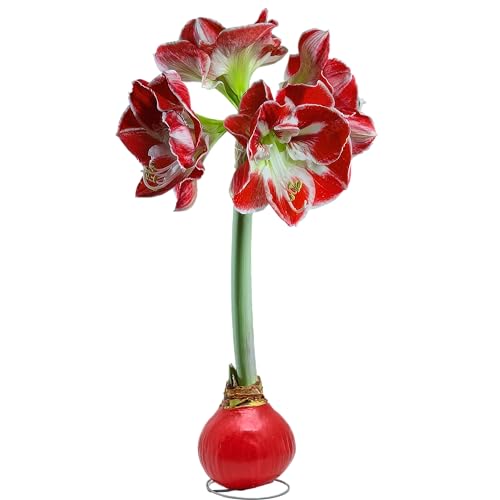
Decorative wax coated bulb
When to Start Forcing Amaryllis Bulbs for Christmas

Once you’ve chosen a firm, healthy bulb, timing is everything. For a Christmas bloom, you’ll need to start the forcing amaryllis process about 10–12 weeks before December 25. That means planting time falls in mid- to late October.
If your bulb needs dormancy first, keep it in a cool, dark spot at around 50–55°F for 8–10 weeks before planting. Fresh, pre-dormant bulbs skip that step, so you can pot them up right away.
After planting, move your amaryllis to a warm, bright spot, and expect flowers in roughly 4–8 weeks. Larger bulbs tend to bloom faster, so they’re a great choice if you’re working with a tighter schedule. Mark your calendar and you’ll be on track. Once your amaryllis is potted, use a well-draining soil mix combined with one part perlite or coarse sand to ensure healthy root development and prevent waterlogged conditions that can stall blooming.
How to Plant Amaryllis Bulbs for Forcing

Grab a clean pot with drainage holes, and you’re ready to get started. Choose a 6–7 inch pot for one bulb, and make sure it has drainage holes to prevent rot. Fill it halfway with a well-draining potting mix that contains perlite.
- Set the bulb so one-third of the bulb stays above the soil line
- Press the potting mix gently around the roots without crushing them
- Leave ½ to 1 inch of space below the pot rim
- Water once thoroughly, then wait until you spot the first green shoot
Keeping the bulb slightly exposed helps amaryllis flowers develop strong, healthy stems. Rotate the pot every few days, and you’ll get straight, sturdy growth. If you enjoy dramatic trailing bloomers alongside your amaryllis display, consider adding a tubular red flowering lipstick plant to complement the arrangement with year-round color.
Recommended Products

【With Drain Holes and Mesh Pad】:Large drain holes are good for draining, and with leak-proof mesh pads, it keeps soil from running away, suitable for orchids, succulents, cacti, other flowers and green plants, perfect for home decoration.

Package Include: Ceramic pot for plant (6” D x 6” H)×1, removable plant tray×1, 9cm drainage net×1, plants not included

🌻GREAT SIZE SUPER TRENDY COLORS- 6’’D * 6’’H. Perfect for most small and medium-sized houseplants such as Aloe Vera, Snake Plants, Pothos, Peace Lily, ZZ Plants, Orchid, Succulent, colors specially for spring season flowers.Ideal gift,Carbonfree Certified.
Where to Place Your Christmas Amaryllis and How to Water It

After you spot that first green shoot, placement really matters. Move your bulbs to a spot with indirect light, like a south-facing window or sunroom, but keep them away from hot afternoon sun, which can scorch leaves and cause uneven growth. Rotate the pot every few days so the stem grows straight and strong.
Keep temperatures around 70–75°F for fast development, then cool things down to 53–65°F once buds open to extend blooming time. Water sparingly at first, and only increase to about once a week when the first bud tip appears. Check the soil level by pressing your finger 1–2 inches deep, and water only when that top layer feels dry to prevent rot. Always use pots with drainage holes to prevent waterlogging and root rot, which can quickly destroy an otherwise healthy bulb.
Recommended Products

Large Clear Plastic Plant Pots with Drainage Holes: This 12-pack collection includes 3 pieces each of 6, 8, 10, and 12-inch clear nursery pots. These large, sturdy plastic pots feature multiple drainage holes at the bottom to ensure excellent water flow, prevent overwatering, and promote healthy root systems for thriving plants.
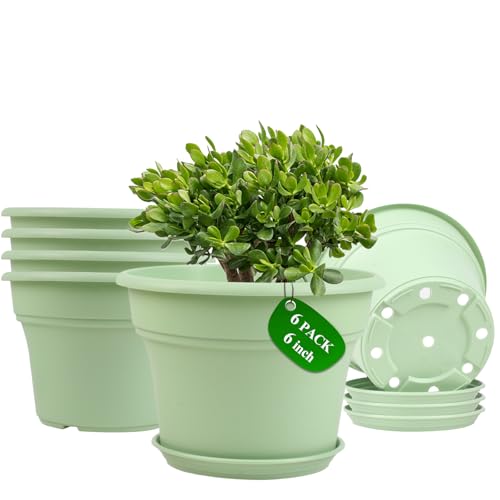
【Lightweight and Sturdy】6 inch pots for plants are made of thick premium plastic, which ensures long-lasting use and weather resistant--built to withstand intense sun and harsh winter temperatures, free from fade, frost, crack and peel damage, so you can use plastic flower pot indoor outdoor freely.

Made with Recycled Materials: A blend of recycled plastic, stone powder, and wood dust, PSW Pots are eye-catching and long-lasting for mindful gardening.
How to Keep Christmas Amaryllis Stems Strong and Upright

With your watering routine sorted out, it’s time to think about keeping those stems tall and steady. Having a third of the bulb above the soil already helps with balance, and a few simple steps will keep your flower stalks growing strong.
- Rotate the pot every few days so stems grow straight toward the light.
- Stake tall flower stalks with a bamboo stick and soft ties as blooms open.
- Keep temperatures at 70–75°F for growth, then cool to 53–65°F when buds form.
- After blooms fade, don’t stop watering right away — let the foliage keep growing before you move the bulb planted in the garden.
- Use a moisture meter to check soil conditions before watering, since overwatering can cause root rot and harm overall plant health.
These small habits make a big difference in how your amaryllis performs.
How to Make Christmas Amaryllis Blooms Last Longer

Keeping your amaryllis blooms looking great for as long as possible takes just a few easy adjustments. Move your potted amaryllis to a cooler spot, around 53–65°F, and keep it out of harsh afternoon sun, since lower temperatures slow petal aging noticeably.
Make sure you water about once a week, letting the top inch or two dry out between waterings to protect the roots. Rotate the pot every few days so blooms open evenly, and stake the flower stalk if it leans.
When you group bulbs together, check each plant individually for spent flowers. Cut back finished blooms by trimming the stalk straight at the base, which redirects energy to your remaining flowers and keeps the whole display looking fresh longer. For a festive finishing touch, consider pairing your amaryllis display with frost-hardy succulents like Sempervivum, which can survive extreme cold and add lasting texture and color to your winter porch arrangement.
What to Do After Your Amaryllis Blooms

Once your amaryllis finishes blooming, the real work of building next year’s flowers begins. Cut the flower stalk at the base, but leave the foliage alone so the bulb can store energy for next year.
After blooming, cut the flower stalk but leave the leaves — the bulb is already busy building next year’s flowers.
- Water your plant about once a week and feed it a balanced liquid fertilizer through late spring and summer.
- Keep it in bright, indirect light and let the leaves grow and yellow naturally.
- Once the foliage dies back, stop watering and move the pot somewhere cool and dry for 8–10 weeks.
- After dormancy, bring it back into warmth and light, and resume watering when new shoots appear.
Last year’s bulb can produce another beautiful flower with just a little consistent care. When repotting your amaryllis after dormancy, choose a pot one size larger than the current one and use a well-draining potting mix to support healthy root development.
Frequently Asked Questions
How to Force Amaryllis to Bloom at Christmas?
To force amaryllis for Christmas, you’ll want to plant a large bulb 10–12 weeks before December 25th, keep it warm and bright, rotate it often, and cut the stem after it’s done blooming.
How Do I Encourage My Amaryllis to Bloom?
To encourage your amaryllis to bloom, give it an 8–10 week dormancy in a cool, dark spot, then move it to bright, indirect light at 70–75°F and water sparingly.
Can I Force Amaryllis to Bloom?
Yes, you can force amaryllis to bloom! Start dormancy 10–12 weeks before Christmas by keeping your bulb cool, dark, and dry. Then pot it up and move it to bright, indirect light to trigger blooming.
What to Do With Amaryllis in October?
Like a bear retreating before winter, coax your amaryllis into rest. In October, stop feeding it, gradually reduce watering, then move it to a cool, dark spot at 50–55°F to begin dormancy.
Conclusion
You’ve done the work, and now it’s time to enjoy the reward. Picture bold, trumpet-shaped blooms opening wide on Christmas morning, filling your home with rich color and life. Keep caring for your bulb after it blooms, and it’ll flower again next year. Forcing amaryllis isn’t complicated once you understand the steps, and you’ll feel proud watching something beautiful grow because of your effort.


