


You don’t need a sprawling garden to enjoy fresh herb recipes at home. A few pots on your windowsill will give you enough basil, mint, and other herbs to transform everyday meals. These 22 recipes show you exactly how to use your harvest, from quick weeknight dinners to invigorating drinks that’ll impress your guests. The best part? You’ll finally stop watching those herb bunches wilt in your fridge because you’ll know precisely what to make with them.
Classic Basil Pesto With Toasted Pine Nuts

Few sauces capture the essence of fresh herbs quite like homemade basil pesto. This vibrant green condiment originated in Genoa, Italy, where it has been a staple for centuries.
The name “pesto” comes from the Italian word “pestare,” meaning to pound or crush, referencing the traditional method of making this sauce with a mortar and pestle. While modern food processors make quick work of the preparation, the result is still a beautifully aromatic sauce that celebrates the peppery sweetness of fresh basil.
The key to exceptional pesto lies in the quality of your ingredients and the balance of flavors. Toasting the pine nuts before blending enhances their buttery, slightly sweet flavor and adds depth to the finished sauce.
This classic recipe yields a versatile pesto that works beautifully tossed with pasta, spread on sandwiches, drizzled over grilled vegetables, or stirred into soups. Once you taste homemade pesto, store-bought versions will never satisfy again.
Ingredients:
- 1/3 cup pine nuts
- 3 cups fresh basil leaves, packed
- 3 cloves garlic, peeled
- 1/2 cup freshly grated Parmigiano-Reggiano cheese
- 1/2 cup extra virgin olive oil
- 1/2 teaspoon salt
- 1/4 teaspoon black pepper
- 1 tablespoon fresh lemon juice
Instructions:
Toast the pine nuts in a dry skillet over medium heat for 3-4 minutes, stirring frequently until golden and fragrant, then let them cool completely.
In a food processor, combine the toasted pine nuts, basil leaves, and garlic, pulsing until roughly chopped.
Add the Parmigiano-Reggiano, salt, and pepper, then pulse again to combine.
With the processor running, slowly drizzle in the olive oil through the feed tube until the mixture reaches your desired consistency, stopping to scrape down the sides as needed.
Add the lemon juice and pulse once more to incorporate.
Taste and adjust seasoning if necessary.
Tips:
Watch the pine nuts carefully while toasting as they can burn quickly due to their high oil content.
For the best flavor, use basil leaves that are bright green and unblemished, picked before the plant flowers.
If your pesto tastes bitter, it may be from over-processing, which can heat the basil and break down the chlorophyll.
To prevent oxidation and maintain the vibrant green color, press plastic wrap directly onto the surface of the pesto before storing, or top with a thin layer of olive oil.
Pesto can be refrigerated for up to one week or frozen in ice cube trays for up to three months.
For an even silkier texture and faster blending, consider using a premium kitchen blender instead of a traditional food processor.
Caprese Salad With Fresh Basil and Balsamic Glaze

The Caprese salad is a celebration of simplicity, showcasing the beloved Italian trio of tomatoes, mozzarella, and basil. This classic dish hails from the island of Capri, where its colors—red, white, and green—mirror the Italian flag.
Unlike many salads that rely on numerous ingredients and complex dressings, the Caprese depends entirely on the quality of its few components. Peak-season tomatoes, creamy fresh mozzarella, and aromatic basil leaves come together in perfect harmony, requiring little more than good olive oil and a finishing touch of balsamic glaze to create something truly memorable.
The addition of a homemade balsamic glaze elevates this traditional salad from a simple appetizer to an elegant dish worthy of any occasion. The glaze’s sweet, tangy concentration complements the mild creaminess of the mozzarella and the bright acidity of ripe tomatoes, while fresh basil adds its distinctive peppery notes.
Whether served as a light lunch, an antipasto, or a side dish at summer gatherings, this Caprese salad embodies the Italian philosophy of letting exceptional ingredients speak for themselves. For an impressive presentation, arrange your Caprese salad in a large serving bowl set to elevate the dining experience.
Ingredients:
- 4 large ripe tomatoes, preferably heirloom or beefsteak
- 1 pound fresh mozzarella cheese
- 1 cup fresh basil leaves
- 1/4 cup extra virgin olive oil
- 1/2 cup balsamic vinegar
- 2 tablespoons honey
- 1/2 teaspoon sea salt
- 1/4 teaspoon freshly ground black pepper
Instructions:
First, prepare the balsamic glaze by combining balsamic vinegar and honey in a small saucepan over medium heat, bringing it to a gentle boil before reducing the heat to low and simmering for 12-15 minutes until the mixture has reduced by half and coats the back of a spoon, then set aside to cool and thicken further. Slice the tomatoes and mozzarella into 1/4-inch thick rounds. On a large serving platter, arrange the tomato and mozzarella slices in an alternating, overlapping pattern. Tuck fresh basil leaves between the slices, distributing them evenly throughout the arrangement. Drizzle the extra virgin olive oil over the entire salad, then season with sea salt and freshly ground black pepper. Finally, drizzle the cooled balsamic glaze over the top in a decorative pattern just before serving.
Tips:
Room temperature ingredients are essential for the best flavor, so remove the mozzarella from the refrigerator at least 30 minutes before assembling the salad. Choose tomatoes that are firm yet yielding to gentle pressure, with deep color and a sweet, earthy aroma at the stem end. If you can’t find fresh mozzarella, look for mozzarella di bufala for an authentic touch, or use bocconcini for individual servings. The balsamic glaze can be made up to two weeks in advance and stored in the refrigerator, though you’ll need to gently warm it before drizzling to restore its pourable consistency. For a flavor variation, try adding a sprinkle of flaky sea salt or a few torn leaves of fresh oregano just before serving.
Thai Basil Chicken Stir-Fry

Thai basil chicken, known as “Pad Krapow Gai” in Thailand, stands as one of the most beloved and frequently prepared dishes in Thai cuisine. This aromatic stir-fry showcases the unique flavor of Thai holy basil, which differs markedly from its Italian cousin with its distinctive peppery, slightly spicy character and hints of licorice and clove.
The dish exemplifies the hallmark balance of Thai cooking—savory, sweet, salty, and spicy notes dancing together in perfect harmony. Quick to prepare and intensely flavorful, this stir-fry delivers restaurant-quality results in your own kitchen, making it an ideal weeknight dinner that doesn’t compromise on taste or authenticity.
The beauty of Thai basil chicken lies in its simplicity and the powerful punch of flavor achieved through high-heat cooking and the right combination of sauces. Ground or thinly sliced chicken cooks rapidly in a blazing hot wok alongside garlic and chilies, absorbing the umami-rich sauce before being tossed with generous handfuls of fresh Thai basil leaves that wilt just enough to release their essential oils.
Traditionally served over jasmine rice and often topped with a fried egg, this dish transforms humble ingredients into an addictive meal that will have you returning to your herb garden again and again for that irreplaceable Thai basil. Having a premium Japanese chef knife makes quick work of slicing the chicken thinly and mincing the garlic and chilies with precision.
Ingredients:
- 1 pound ground chicken or thinly sliced chicken breast
- 2 cups fresh Thai basil leaves, packed
- 4 cloves garlic, minced
- 3-4 Thai bird’s eye chilies, sliced (or to taste)
- 3 tablespoons vegetable oil
- 2 tablespoons soy sauce
- 1 tablespoon fish sauce
- 1 tablespoon oyster sauce
- 2 teaspoons dark soy sauce
- 1 tablespoon sugar
- 1/4 cup chicken broth or water
- 1 red bell pepper, julienned
- 1 small onion, sliced
- Cooked jasmine rice, for serving
Instructions:
Heat a wok or large skillet over high heat until smoking, then add the vegetable oil and swirl to coat the surface before adding the minced garlic and sliced chilies, stirring constantly for about 15 seconds until fragrant but not burned.
Add the chicken and break it up with a spatula, cooking for 3-4 minutes until no longer pink and beginning to brown at the edges.
Toss in the sliced onion and bell pepper, stir-frying for 2 minutes until they begin to soften but retain some crunch.
In a small bowl, combine the soy sauce, fish sauce, oyster sauce, dark soy sauce, sugar, and chicken broth, then pour this mixture into the wok and stir everything together vigorously for 1-2 minutes until the sauce thickens slightly and coats the chicken.
Remove the wok from heat, immediately add the fresh Thai basil leaves, and toss everything together until the basil just begins to wilt, which should take only 30 seconds, then serve immediately over steamed jasmine rice.
Tips:
If you can’t find authentic Thai holy basil at Asian markets, regular Italian basil can be substituted, though the flavor profile will be milder and less complex—consider adding a few leaves of fresh mint to approximate the peppery quality.
The key to achieving the proper “wok hei” or breath of the wok is cooking at the highest heat your stove can manage, which creates those signature charred edges and concentrated flavors that define excellent stir-fry.
Prepare all ingredients before you begin cooking, as the actual stir-frying process happens extremely quickly and there’s no time to chop or measure once you start.
For a traditional presentation, fry an egg sunny-side up with crispy, lacy edges and place it on top of the stir-fry just before serving, allowing the runny yolk to mingle with the rice and sauce.
Recommended Products
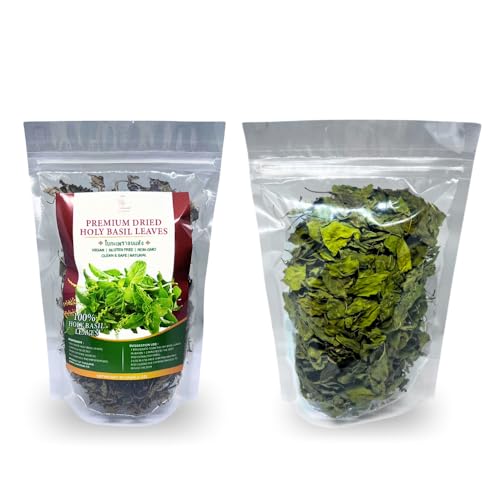
Authentic Thai Holy Basil (Kaprao) : Bring the true taste of Thailand to your kitchen with dried holy basil, the essential herb for Pad Kra Pao and authentic Thai stir-fry dishes.

AUTHENTIC THAI FLAVOR Blue Orchid Organic Loose Crushed Hot Holy Basil Leaves bring the authentic taste of our small, organic farm directly to your kitchen. Cultivated with meticulous attention to detail, these chef-inspired culinary-grade leaves offer a potent and distinctive flavor profile, characterized by a warm, peppery heat and subtle herbaceous undertones that are essential for genuine Thai cuisine. Unlike powdered basil, our leaves are gently loose crushed, a process that maximizes the release of their fragrant essential oils upon contact with heat, infusing your dishes with a vibrant and nuanced aroma and a robust, layered taste.

AUTHENTIC THAI AROMA & FLAVOR: Experience the true, bold herbal aroma and spice of genuine Thai Holy Basil (Kra Pao). Perfect for cooking traditional Thai dishes like Pad Kra Pao (Holy Basil Stir-Fry), stir-fried vegetables, soups, curries, and Tom Yum.
Pesto Pizza With Mozzarella and Cherry Tomatoes

Pesto pizza represents a vibrant departure from traditional tomato-based pies, showcasing the verdant brilliance of fresh basil in its most concentrated form. The emerald-green pesto serves as both sauce and flavor powerhouse, coating the dough with layers of garlic, pine nuts, Parmesan, and of course, abundant fresh basil leaves that have been transformed into a silky, aromatic spread.
When paired with creamy mozzarella and sweet, bursting cherry tomatoes, this pizza achieves a beautiful balance of richness and brightness that celebrates the essence of Italian cuisine. The dish is particularly rewarding for home gardeners who find themselves with an abundance of basil, as a single pizza can showcase an entire plant’s worth of leaves.
The key to an exceptional pesto pizza lies in using homemade pesto and not overloading the crust, which allows each component to shine without creating a soggy base. Unlike heavily sauced traditional pizzas, pesto pizza requires a lighter hand—a thin layer of pesto provides ample flavor without overwhelming the delicate interplay between the creamy cheese and the acidic sweetness of roasted tomatoes.
Whether baked in a conventional oven at maximum temperature or cooked on a pizza stone for that coveted crispy-chewy crust, this pizza brings sophisticated flavor to casual dining and proves that sometimes the simplest combinations yield the most memorable results. Investing in premium kitchen appliances can help you achieve professional-quality results, from perfectly preheated ovens to precision temperature control that ensures an ideal crust every time.
Ingredients:
- 1 pound pizza dough, homemade or store-bought
- 1 cup fresh basil pesto
- 8 ounces fresh mozzarella, torn into pieces
- 1 1/2 cups cherry tomatoes, halved
- 1/4 cup grated Parmesan cheese
- 2 tablespoons olive oil
- 2 cloves garlic, minced
- Fresh basil leaves for garnish
- Salt and black pepper to taste
- Red pepper flakes (optional)
- Cornmeal or flour for dusting
Instructions:
Preheat your oven to its highest setting, ideally 500-550°F, and if using a pizza stone, place it in the oven during preheating for at least 30 minutes. Roll out the pizza dough on a lightly floured surface to your desired thickness, typically about 1/4 inch, then transfer it to a pizza peel dusted with cornmeal or a parchment-lined baking sheet.
Spread the pesto evenly over the dough, leaving a 1/2-inch border around the edges, then distribute the torn mozzarella pieces across the surface.
In a small bowl, toss the halved cherry tomatoes with olive oil, minced garlic, salt, and pepper, then scatter them over the cheese. Sprinkle the grated Parmesan evenly across the top and slide the pizza onto the preheated stone or place the baking sheet in the oven, baking for 10-12 minutes until the crust is golden brown, the cheese is bubbling, and the tomatoes have begun to blister and caramelize.
Remove from the oven and immediately garnish with fresh basil leaves and red pepper flakes if desired, then let cool for 2-3 minutes before slicing and serving.
Tips:
For the best results, guarantee your pesto is at room temperature before spreading, as cold pesto can tear the delicate dough and spread unevenly. If your cherry tomatoes are particularly juicy, consider roasting them separately for 5 minutes before adding them to the pizza to reduce excess moisture that could make the crust soggy.
Don’t pre-shred your mozzarella—use fresh mozzarella torn by hand, as pre-shredded varieties contain anti-caking agents that prevent proper melting.
If you find your crust browning too quickly before the toppings are done, tent the pizza loosely with aluminum foil for the final few minutes of baking.
Finally, resist the urge to overload the pizza with pesto; too much can make the pizza greasy and overpower the other flavors—less is genuinely more in this case.
Recommended Products

Premium quality culinary herb seeds package containing 30 Emily Basil (Ocimum basilicum) seeds, a compact Genovese-type with glossy green leaves and a classic sweet, clove-like aroma prized in Italian cooking.

Beautiful - Large color packet of the popular culinary herb Genovese Basil (Ocimum Basilicum), a wonderful gift for the gourmet cook and gardener. Can easily be grown indoors in your kitchen or outdoors in the garden. There is actually enough seed to do both. Minimum of 400mg (about 400 seeds).

【Complete All-in-One Indoor Garden Kit】Start your home herbal journey instantly with this indoor garden kit. It features 1 x Wooden Planter Box, 5 x Burlap Pots, 5 types of Non-GMO Seeds (Sweet Basil, Cilantro, Italian Parsley, Thyme,Mint), Nutrient-Rich Soil Disks, Plant Labels, and Garden Tools. No extra trips to the store—unpack and grow today!
Basil Lemonade With Honey Simple Syrup

Basil lemonade transforms the classic summer refreshment into an herbaceous elixir that balances the bright citrus notes of fresh lemon juice with the subtle peppery sweetness of basil. This elevated beverage proves that basil’s versatility extends far beyond savory applications, as its aromatic oils complement and enhance the tartness of lemonade rather than competing with it.
The honey simple syrup serves as the perfect sweetener, adding floral depth that refined sugar simply can’t match, while also helping to extract and distribute the basil’s essential oils throughout the drink. This recipe is an excellent way to use both the abundant basil leaves from your garden and to create a sophisticated alternative to standard lemonade that will impress guests at summer gatherings.
The beauty of basil lemonade lies in its revitalizing complexity and the visual appeal of the bright green basil leaves suspended in golden liquid. Unlike muddled herb drinks that can turn bitter or murky, this recipe employs a gentle steeping method that extracts flavor without releasing harsh compounds from bruised leaves.
The result is a perfectly balanced beverage that’s both cooling and invigorating, with each sip revealing layers of flavor—the initial bright citrus hit, followed by honey’s smoothness, and finishing with basil’s aromatic whisper. Whether served over ice at a backyard barbecue or dressed up with sparkling water for a mocktail, basil lemonade offers a delightful way to celebrate the garden’s bounty.
Ingredients:
- 1 cup honey
- 1 cup water
- 1 cup fresh basil leaves, packed, plus extra for garnish
- 1 1/2 cups fresh lemon juice (about 8-10 lemons)
- 5 cups cold water
- Ice cubes
- Lemon slices for garnish
Instructions:
Begin by making the honey simple syrup: combine honey and 1 cup of water in a small saucepan over medium heat, stirring until the honey dissolves completely, then add the packed basil leaves and remove from heat, allowing the mixture to steep for 20-30 minutes until the basil flavor infuses into the syrup. Strain the syrup through a fine-mesh sieve into a large pitcher, pressing gently on the basil leaves to extract all the liquid, then discard the leaves.
Add the fresh lemon juice and 5 cups of cold water to the pitcher, stirring well to combine, and taste for sweetness, adjusting with more honey syrup or water as needed. Refrigerate for at least one hour to allow the flavors to meld, then serve over ice, garnishing each glass with fresh basil leaves and lemon slices.
Additional Tips:
For the most flavorful basil lemonade, use the freshest basil leaves possible, harvested in the morning when their essential oils are most concentrated, and avoid washing them if they’re from your own garden to preserve maximum flavor.
If you prefer a stronger basil presence, add a few extra leaves directly to the pitcher and let them steep in the finished lemonade for an additional hour. The honey simple syrup can be made up to two weeks in advance and stored in the refrigerator, making this recipe convenient for entertaining.
For a sparkling version, replace half the cold water with chilled sparkling water just before serving, and consider adding a splash of vodka or gin for an adults-only herbal cocktail that showcases the basil’s complexity. Having the right gourmet cooking tools on hand, such as a quality citrus juicer and fine-mesh strainer, will make preparing this refreshing beverage much easier and more enjoyable.
Basil Strawberry Sorbet

Basil strawberry sorbet represents the pinnacle of summer’s flavor profile, combining the season’s sweetest berries with the garden’s most aromatic herb in a frozen dessert that’s both invigorating and unexpectedly sophisticated.
The natural affinity between strawberries and basil is well documented in savory applications, but this pairing truly shines when transformed into a velvety sorbet where the basil acts as a flavor enhancer rather than a dominant force.
The peppery, slightly anise-like notes of basil elevate the strawberries’ sweetness while adding an herbaceous complexity that prevents the dessert from becoming cloying, creating a balanced frozen treat that cleanses the palate and delights the senses with every spoonful.
This vibrant pink sorbet serves as an elegant finale to summer dinner parties and provides a dairy-free alternative to traditional ice cream that doesn’t sacrifice richness or satisfaction.
The recipe relies on the natural pectin in strawberries to create a smooth, scoopable texture, while a touch of lemon juice brightens the fruit’s flavor and helps preserve the sorbet’s brilliant color.
Making sorbet at home allows you to control the sweetness level and showcase the pure, unadulterated flavors of fresh ingredients at their peak, transforming simple components into a restaurant-quality dessert that captures the essence of summer in frozen form.
For those who enjoy the creative process of outdoor cooking, preparing fresh fruit reductions on a flat top hibachi grill can add a subtle smoky dimension to sorbets and other desserts.
Ingredients:
- 2 pounds fresh strawberries, hulled and halved
- 3/4 cup granulated sugar
- 1/2 cup water
- 1/4 cup fresh basil leaves, packed
- 2 tablespoons fresh lemon juice
- Pinch of salt
Instructions:
Combine the sugar and water in a small saucepan over medium heat, stirring until the sugar dissolves completely, then add the basil leaves and simmer for 2 minutes before removing from heat and allowing the basil syrup to steep for 15 minutes.
Meanwhile, place the strawberries in a food processor or blender and puree until completely smooth, then strain the basil syrup through a fine-mesh sieve into the strawberry puree, discarding the basil leaves.
Add the lemon juice and salt to the mixture, blending briefly to combine, then transfer to a covered container and refrigerate until completely chilled, at least 2 hours or overnight.
Pour the chilled mixture into an ice cream maker and churn according to the manufacturer’s instructions until it reaches a soft-serve consistency, usually 20-25 minutes, then transfer the sorbet to a freezer-safe container and freeze for at least 4 hours until firm enough to scoop.
For the best texture and flavor, use strawberries at their peak ripeness when they’re deeply red and fragrant, as underripe berries will produce a sorbet that lacks depth and sweetness.
If you don’t have an ice cream maker, you can still make this sorbet by pouring the chilled mixture into a shallow metal pan and freezing it, stirring vigorously with a fork every 30 minutes for 3-4 hours to break up ice crystals and create a granita-like texture.
The sorbet will be at its best within the first week of making it, as extended freezer storage can dull the bright flavors and create ice crystals, though allowing it to soften slightly at room temperature for 5-10 minutes before serving will restore its creamy consistency.
Consider garnishing each serving with a small fresh basil leaf and a sliced strawberry to hint at the flavors within and add visual appeal to this stunning dessert.
Mojito Pitcher Recipe for Summer Gatherings

The mojito pitcher stands as the quintessential warm-weather cocktail for entertaining, offering a revitalizing blend of fresh mint, bright lime, and rum that can be prepared in advance to serve a crowd without the hassle of muddling individual drinks.
This scaled-up version maintains all the vibrant flavors and aromatic appeal of the classic Cuban cocktail while streamlining the preparation process, allowing hosts to spend more time with their guests and less time playing bartender.
The key to a successful pitcher mojito lies in properly extracting the mint’s essential oils without bruising the leaves into bitterness, creating a balance between the herbaceous freshness, citrus brightness, and subtle sweetness that makes this drink so universally beloved.
Unlike single-serve mojitos that can become diluted or lose their effervescence, the pitcher method allows you to control each component’s intensity and add the sparkling element just before serving to guarantee maximum revitalization and visual appeal.
This recipe produces a concentrate of muddled mint, lime, and simple syrup that mingles with white rum, creating a flavor base that improves as it rests in the refrigerator, allowing the ingredients to marry and develop complexity.
The final addition of club soda transforms this concentrated mixture into a light, bubbly beverage perfect for poolside gatherings, backyard barbecues, or any occasion that calls for a sophisticated yet approachable cocktail that captures summer’s essence in a glass.
For those serious about their home entertaining, investing in luxury cocktail equipment can elevate the mojito-making experience with precision muddlers, premium pitchers, and professional-grade bar tools that make preparation effortless and presentation impressive.
Ingredients:
- 2 cups fresh mint leaves, plus extra sprigs for garnish
- 1 cup fresh lime juice (from about 8-10 limes)
- 3/4 cup simple syrup
- 2 cups white rum
- 3 cups club soda, chilled
- 2 limes, sliced into rounds
- Ice cubes
- Optional: 2 tablespoons superfine sugar for additional sweetness
Instructions:
Place the mint leaves in the bottom of a large pitcher and add the lime juice and simple syrup, then use a wooden spoon or muddler to gently press and twist the mint leaves against the bottom of the pitcher for about 30 seconds to release their oils without tearing them into small pieces.
Add the white rum and lime slices to the pitcher, stirring well to combine all ingredients, then cover and refrigerate for at least 1 hour or up to 4 hours to allow the flavors to meld and intensify.
When ready to serve, fill the pitcher with ice cubes and pour in the chilled club soda, stirring gently to incorporate without losing carbonation, then pour into individual glasses filled with fresh ice, making sure each serving gets some of the muddled mint and lime slices, and garnish with fresh mint sprigs and an additional lime wedge.
Tips:
For the best flavor, make your own simple syrup by combining equal parts sugar and water in a saucepan and heating until the sugar dissolves completely, then cooling before use.
If you prefer a sweeter mojito, adjust the simple syrup quantity to taste rather than adding sugar directly to the pitcher, as it won’t dissolve properly in cold liquid.
The mint and lime base can be prepared up to 6 hours in advance, but don’t add the club soda until just before serving to maintain maximum carbonation and freshness.
For a non-alcoholic version, simply omit the rum and increase the club soda to 5 cups, creating a revitalizing mint limeade that’s equally crowd-pleasing.
Always use fresh mint rather than dried, as the essential oils in fresh leaves are vital to achieving the authentic mojito flavor profile.
Mint Watermelon Feta Salad

The mint watermelon feta salad represents a perfect convergence of sweet, salty, and herbaceous flavors that exemplifies the bright, uncomplicated cooking of Mediterranean summers. This invigorating combination relies on the natural juiciness of ripe watermelon, the briny tang of quality feta cheese, and the cooling aromatics of fresh mint to create a dish that functions equally well as a light appetizer, a palate-cleansing side dish, or a standalone lunch on particularly hot days.
The magic of this salad lies in its simplicity—each ingredient maintains its distinct character while contributing to a harmonious whole that feels both elegant and effortlessly casual.
Beyond its impressive flavor profile, this salad offers practical advantages for gardeners with an abundance of mint and hosts seeking make-ahead options for warm-weather entertaining. The preparation requires no cooking, minimal knife work, and can be assembled in advance with strategic timing to prevent the watermelon from releasing excessive juice that would dilute the dressing.
The addition of red onion provides a sharp counterpoint to the sweetness, while a simple dressing of olive oil and lime juice ties the components together without overwhelming the fresh, clean flavors that make this dish so appealing during the warmest months of the year.
Ingredients:
- 6 cups seedless watermelon, cut into 1-inch cubes
- 1 cup crumbled feta cheese
- 1/2 cup fresh mint leaves, torn or roughly chopped
- 1/4 cup thinly sliced red onion
- 3 tablespoons extra-virgin olive oil
- 2 tablespoons fresh lime juice
- 1/4 teaspoon sea salt
- 1/4 teaspoon freshly ground black pepper
- Optional: 1/4 cup toasted pistachios or pine nuts
Instructions:
Place the watermelon cubes in a large serving bowl and add the sliced red onion, distributing it evenly throughout, then sprinkle the crumbled feta cheese over the top and scatter the torn mint leaves across the surface.
In a small bowl, whisk together the olive oil, lime juice, salt, and pepper until emulsified, then drizzle this dressing over the salad components.
Using a large spoon or salad servers, gently toss all ingredients together with a folding motion to avoid breaking down the watermelon cubes, guaranteeing the dressing coats everything evenly and the feta distributes throughout rather than clumping at the bottom.
If using nuts, sprinkle them over the top just before serving to maintain their crunch, and present the salad immediately or refrigerate for up to 30 minutes before serving to allow the flavors to meld slightly while keeping the watermelon texture intact.
Tips:
For the best results, guarantee your watermelon is properly ripe but still firm enough to hold its shape when cut and tossed—overly ripe melon will become mushy and release too much liquid.
Choose a high-quality feta cheese, preferably one stored in brine rather than pre-crumbled varieties, as it will have superior texture and flavor that won’t become chalky or dried out.
If preparing in advance, combine all ingredients except the mint and dressing, refrigerate for up to 2 hours, then add the mint and dressing just before serving to prevent the herbs from darkening and the salt from drawing out excessive moisture from the watermelon.
This salad doesn’t keep well as leftovers due to the watermelon’s tendency to weep, so plan portion sizes accordingly and consider scaling the recipe rather than making extra. After washing your freshly picked mint leaves, use a professional salad spinner to remove excess water that would otherwise dilute the dressing and compromise the texture of this refreshing dish.
Fresh Mint Chocolate Chip Nice Cream

Fresh mint chocolate chip nice cream transforms the simple frozen banana into an elegant, herbaceous dessert that delivers all the satisfaction of traditional ice cream without any dairy, refined sugar, or specialized equipment beyond a food processor or high-powered blender. This recipe capitalizes on the natural creaminess that frozen bananas develop when blended, creating a silky texture remarkably similar to soft-serve ice cream, while fresh mint from the garden provides an authentic, vibrant flavor that far surpasses anything achievable with artificial extracts.
The addition of dark chocolate chips or cacao nibs introduces pleasant textural contrast and a touch of bitterness that balances the inherent sweetness of the bananas, resulting in a sophisticated frozen treat that appeals to both health-conscious eaters and traditional dessert lovers.
The beauty of nice cream lies in its adaptability and the minimal advance planning required—as long as you maintain a supply of peeled, sliced bananas in the freezer, you can produce this dessert in minutes whenever the craving strikes or unexpected guests arrive.
The mint flavor can be adjusted to personal preference, ranging from subtle to pronounced, and the recipe tolerates experimentation with other add-ins such as a splash of vanilla, a pinch of sea salt, or even a small amount of spirulina for enhanced color.
This dessert works particularly well during the peak of summer when mint grows abundantly and lighter, invigorating sweets feel more appropriate than heavy, warming desserts, though the frozen bananas and preserved mint make it accessible year-round. For those who make this treat frequently, investing in professional kitchen appliances like high-powered blenders can ensure consistently smooth results with minimal effort.
Ingredients:
- 4 large ripe bananas, peeled, sliced, and frozen
- 1/4 cup fresh mint leaves, packed
- 2-3 tablespoons milk of choice (dairy, almond, oat, or coconut)
- 1 tablespoon maple syrup or honey (optional, for extra sweetness)
- 1/2 teaspoon vanilla extract
- Pinch of sea salt
- 1/3 cup dark chocolate chips or cacao nibs
- Optional: 1-2 drops peppermint extract for intensified mint flavor
Instructions:
Remove the frozen banana slices from the freezer and let them sit at room temperature for 3-5 minutes to slightly soften, which will ease the blending process and reduce strain on your equipment, then add them to a food processor or high-powered blender along with the fresh mint leaves, milk, vanilla extract, and salt.
Process the mixture, stopping to scrape down the sides as needed, until it transforms from crumbly to creamy, which typically takes 3-5 minutes of intermittent blending—the mixture will initially look grainy and broken but will suddenly come together into a smooth, ice cream-like consistency.
Add the maple syrup or honey if using, along with peppermint extract for a more pronounced mint flavor, and pulse briefly to incorporate, then add the chocolate chips or cacao nibs and pulse just once or twice to distribute them throughout without pulverizing them completely.
Serve immediately for a soft-serve consistency, or transfer to a freezer-safe container and freeze for 1-2 hours for a firmer, scoopable texture similar to traditional ice cream.
Tips:
For the best results, use bananas that are ripe with brown spots before freezing, as they provide maximum sweetness and prevent the need for excessive added sweeteners, and always peel and slice them before freezing to avoid the impossible task of peeling rock-hard frozen bananas.
If your food processor or blender struggles with the frozen fruit, add the milk gradually, one tablespoon at a time, using only as much as necessary to get the blades moving, since too much liquid will result in a milkshake-like consistency rather than the desired ice cream texture.
The nice cream is best enjoyed within a few hours of preparation, as freezing it solid can make it quite hard—if this happens, simply let it sit at room temperature for 10-15 minutes before scooping, or re-blend it briefly to restore the creamy texture.
To preserve fresh mint for future batches when the growing season ends, freeze whole leaves in ice cube trays with a small amount of water, or blend mint with a touch of oil and freeze in small portions.
Mint Pea Soup With Crème Fraîche

Mint pea soup with crème fraîche represents the epitome of spring and early summer cooking, combining the garden’s sweetest peas with fresh mint in a vibrant green soup that tastes as bright and lively as it looks.
This soup celebrates the natural affinity between peas and mint, a classic pairing in European cuisine that has endured for good reason—the cool, herbaceous quality of mint elevates the peas’ inherent sweetness while cutting through any starchiness, creating a balanced, sophisticated flavor profile that works equally well as an elegant starter for dinner parties or a light lunch on warm afternoons.
The addition of crème fraîche provides richness and a subtle tang that rounds out the soup’s flavor while creating visual appeal through the contrast of white against the vivid green base.
The technique for this soup prioritizes preserving the fresh, verdant quality of both the peas and mint, which means cooking times remain brief and the mint gets added at the end rather than simmered for extended periods that would dull its brightness and turn it muddy.
Unlike hearty winter soups that benefit from long simmering to develop deep flavors, this soup achieves its best results through quick cooking and immediate blending, capturing the essence of the ingredients at their peak freshness.
The soup can be served hot, at room temperature, or chilled, making it remarkably versatile for different seasons and occasions, though it truly shines when served slightly warm or cold during warmer months when fresh peas and mint are at their garden-fresh best.
For those who make soups frequently, a soup maker machine can streamline the entire process by cooking and blending ingredients in a single appliance, though traditional stovetop preparation works perfectly well for this recipe.
Ingredients:
- 2 tablespoons unsalted butter or olive oil
- 1 medium yellow onion, diced
- 2 cloves garlic, minced
- 4 cups fresh or frozen peas
- 3 cups vegetable or chicken stock
- 1/2 cup fresh mint leaves, loosely packed
- 1/2 teaspoon sea salt
- 1/4 teaspoon black pepper
- 1/4 teaspoon sugar (optional, if peas lack sweetness)
- 1/2 cup crème fraîche, plus extra for serving
- Fresh lemon juice, to taste
- Fresh mint leaves for garnish
Instructions:
Heat the butter or olive oil in a large pot over medium heat, then add the diced onion and cook for 5-7 minutes until softened and translucent but not browned, stirring occasionally to prevent sticking.
Add the minced garlic and cook for another minute until fragrant, then pour in the stock and bring the mixture to a gentle boil before adding the peas, salt, pepper, and optional sugar.
Allow the peas to cook for just 3-5 minutes if using fresh peas, or 5-7 minutes for frozen, until they’re tender but still bright green—avoid overcooking as this dulls both color and flavor.
Remove the pot from heat and stir in the fresh mint leaves, letting them wilt in the residual heat for about a minute before carefully transferring the entire mixture to a blender, working in batches if necessary to avoid overfilling.
Blend on high speed until completely smooth and vibrant green, then return the soup to the pot and stir in the crème fraîche until fully incorporated, adding fresh lemon juice to taste to brighten the flavors.
Adjust seasoning as needed, then serve in bowls with an additional dollop of crème fraîche and fresh mint leaves for garnish.
Additional Tips:
For the brightest green color, shock the soup immediately after blending by placing the pot in an ice bath for a few minutes if serving cold, as this helps set the chlorophyll and prevent the soup from turning olive or brownish.
If the soup appears too thick after blending, thin it with additional stock or water until it reaches your desired consistency—it should coat the back of a spoon but still pour easily.
The soup can be made up to two days ahead and stored in the refrigerator, though the color will fade slightly over time, so it’s best consumed within 24 hours for maximum visual appeal.
When blending hot liquids, always remove the center cap of the blender lid and cover with a kitchen towel to allow steam to escape and prevent pressure buildup that could cause dangerous splattering.
For a dairy-free version, substitute the crème fraîche with coconut cream or cashew cream, which will provide similar richness without compromising the soup’s luxurious texture.
Cilantro Lime Rice That Actually Tastes Like Chipotle

Cilantro lime rice has become a staple of modern casual dining, largely thanks to Chipotle Mexican Grill‘s wildly popular version that transformed simple white rice into a crave-worthy side dish that people actually seek out recipes to recreate at home.
The secret to achieving that authentic Chipotle flavor lies not in exotic ingredients or complicated techniques, but in understanding the precise balance of fresh cilantro, bright lime juice, and salt, along with the specific timing of when these elements get incorporated into the rice.
What sets the restaurant version apart from countless home attempts is the generous quantity of cilantro used—far more than timid home cooks typically dare to add—and the technique of mixing the lime and cilantro into hot, freshly cooked rice so the residual heat releases the cilantro’s aromatic oils without cooking it into submission.
The foundation of exceptional cilantro lime rice starts with properly cooked rice that maintains distinct, fluffy grains rather than turning mushy or sticky, which means paying attention to the rice-to-water ratio and resisting the urge to stir during cooking.
While Chipotle uses white basmati rice for its characteristic light texture and subtle fragrance, this recipe works equally well with jasmine rice or standard long-grain white rice, though cooking times and water ratios may need minor adjustments depending on your choice.
The beauty of this dish lies in its versatility as a supporting player that enhances everything from burrito bowls and tacos to grilled fish and roasted vegetables, providing a fresh, herbaceous counterpoint to rich proteins and spicy salsas without overwhelming the meal’s other components.
Ingredients:
- 2 cups white basmati or jasmine rice
- 3 cups water
- 2 tablespoons vegetable oil or light olive oil
- 1 teaspoon sea salt
- 1/2 cup fresh cilantro, finely chopped
- Juice of 2 limes (about 1/4 cup)
- 1 tablespoon unsalted butter (optional, for richness)
- Zest of 1 lime (optional, for extra brightness)
Instructions:
Rinse the rice in a fine-mesh strainer under cold water until the water runs clear, then drain thoroughly and transfer to a medium saucepan with the water, oil, and half the salt.
Bring the mixture to a boil over high heat without stirring, then immediately reduce the heat to the lowest setting, cover tightly with a lid, and cook for 15-18 minutes until all water is absorbed and the rice is tender with distinct grains.
Remove the pan from heat and let it stand covered for 5 minutes to allow the rice to steam and firm up, then fluff gently with a fork and immediately add the remaining salt, chopped cilantro, lime juice, and optional butter and lime zest.
Fold everything together using a gentle lifting and turning motion rather than stirring, which would break the grains, ensuring the cilantro and lime distribute evenly throughout the rice while it’s still hot enough to release the herbs’ aromatic oils.
Tips:
The most common mistake in recreating Chipotle’s cilantro lime rice is adding too little cilantro out of fear it will overwhelm the dish, but authentic flavor requires a generous hand with the fresh herbs—don’t be shy about using the full half-cup or even slightly more if you’re a cilantro enthusiast.
Always add the cilantro and lime to hot rice rather than warm or cooled rice, as the heat is essential for blooming the cilantro’s flavor and helping the lime juice incorporate evenly without creating wet spots.
If making the rice ahead, cook and cool it plain, then reheat it just before serving and add the cilantro and lime to the hot reheated rice for the freshest flavor.
For those who find their rice occasionally turns out sticky, rinsing the rice thoroughly before cooking removes excess surface starch and makes a dramatic difference in achieving those coveted separate, fluffy grains.
Cilantro Avocado Lime Dressing

Cilantro avocado lime dressing transforms the vibrant flavors of fresh herbs and creamy avocado into a versatile sauce that works equally well as a salad dressing, taco topping, grain bowl drizzle, or dipping sauce for vegetables and chips.
This bright green condiment harnesses the power of cilantro’s distinctive flavor while the avocado provides body and richness without requiring any dairy, making it naturally vegan and appealing to a wide range of dietary preferences.
Unlike bottled dressings that rely on preservatives and stabilizers, this homemade version captures the pure, fresh taste of its ingredients and can be customized to your preferred consistency—from thick and creamy for dipping to thinner and pourable for drizzling over salads.
The beauty of this dressing lies in its simplicity and the way each ingredient serves a specific purpose: the avocado creates a luxurious, creamy base that coats ingredients beautifully, the cilantro delivers herbaceous brightness, the lime juice provides acidity to balance the richness while preventing the avocado from browning, and the garlic adds a subtle savory depth that prevents the dressing from tasting one-dimensional.
What makes this recipe particularly valuable in a home cook’s repertoire is its ability to elevate simple meals—a basic green salad becomes restaurant-worthy, leftover grilled chicken transforms into an exciting lunch, and roasted vegetables gain new life when drizzled with this vibrant sauce.
The dressing also works as a sandwich spread, a marinade component, or a flavorful base for buddha bowls and Mexican-inspired dishes.
Ingredients:
- 1 large ripe avocado, pitted and peeled
- 1 cup fresh cilantro leaves and tender stems, packed
- 1/4 cup fresh lime juice (about 2 limes)
- 1/4 cup extra virgin olive oil
- 1/4 cup water (plus more for thinning)
- 2 cloves garlic, peeled
- 1/2 teaspoon sea salt
- 1/4 teaspoon ground cumin
- 1/4 teaspoon black pepper
- 1 jalapeño, seeded and roughly chopped (optional, for heat)
Instructions:
Combine the avocado, cilantro, lime juice, olive oil, water, garlic, salt, cumin, black pepper, and jalapeño if using in a blender or food processor, then blend on high speed for 30-60 seconds until completely smooth and uniformly green with no visible chunks of cilantro or avocado remaining.
Taste the dressing and adjust the seasoning with additional salt, lime juice, or cumin as needed, then assess the consistency and add water one tablespoon at a time while blending until you reach your desired thickness—keeping it thicker for dipping or spreading, or thinning it out for drizzling over salads and bowls.
Transfer the dressing to an airtight container or jar and refrigerate immediately if not using right away.
Tips:
The key to maintaining the dressing’s vibrant green color is using it within 2-3 days of preparation, as the avocado will eventually oxidize and turn brown despite the lime juice’s protective effect, though the flavor remains perfectly good even if the color dulls slightly.
For the best flavor, bring the dressing to room temperature about 15 minutes before serving, as refrigeration causes the olive oil to thicken and dulls the brightness of the cilantro and lime.
If you find cilantro’s flavor too assertive, you can substitute half the cilantro with fresh parsley or baby spinach for a milder green dressing that still maintains the creamy texture and fresh appeal, and if the dressing separates after sitting in the refrigerator, simply whisk or shake it vigorously to re-emulsify before using.
Chimichurri Sauce for Grilled Steak and Vegetables

Chimichurri sauce represents the bold, herbaceous heart of Argentine and Uruguayan grilling traditions, where this vibrant green condiment is as essential to a barbecue as the meat itself.
This uncooked sauce celebrates the raw power of fresh parsley and oregano, combining them with garlic, vinegar, and olive oil to create a punchy, acidic accompaniment that cuts through the richness of grilled meats and brings new dimension to charred vegetables.
Unlike cooked sauces that mellow and blend their flavors through heat, chimichurri maintains the bright, assertive character of its ingredients, delivering an immediate burst of freshness with every spoonful.
The traditional recipe has remained largely unchanged for generations because it achieves a perfect balance—the sharpness of vinegar and garlic, the earthiness of herbs, the richness of olive oil, and the heat of red pepper flakes all working together to enhance rather than mask the flavor of grilled foods.
What makes chimichurri particularly valuable for home cooks is its versatility and forgiving nature—it tastes excellent when freshly made but actually improves after resting for a few hours as the flavors marry and mellow slightly, and it keeps in the refrigerator for up to a week, making it an ideal make-ahead condiment for weeknight dinners and weekend gatherings alike.
Beyond its classic pairing with grilled steak, chimichurri elevates grilled vegetables like zucchini, bell peppers, and eggplant, transforms simple roasted potatoes into something special, and works beautifully as a marinade for chicken or fish before grilling.
The sauce’s chunky, rustic texture provides visual appeal and a pleasant contrast to the smooth surfaces of grilled foods, while its bold flavor profile guarantees that even the simplest grilled meal feels complete and thoughtfully prepared.
Ingredients:
- 2 cups fresh flat-leaf parsley leaves and tender stems, finely chopped
- 4 cloves garlic, minced
- 2 tablespoons fresh oregano leaves, finely chopped (or 2 teaspoons dried oregano)
- 1/2 cup extra virgin olive oil
- 3 tablespoons red wine vinegar
- 1 teaspoon sea salt
- 1/2 teaspoon red pepper flakes
- 1/2 teaspoon black pepper
- 1 small shallot, finely minced (optional)
Instructions:
Combine the chopped parsley, minced garlic, oregano, and shallot if using in a medium bowl, then add the olive oil, red wine vinegar, salt, red pepper flakes, and black pepper, stirring everything together with a spoon until well mixed and the oil and vinegar begin to emulsify slightly.
Let the chimichurri rest at room temperature for at least 15 minutes to allow the flavors to meld, though 30 minutes to 2 hours produces even better results as the garlic mellows and the herbs release their oils into the sauce.
Taste and adjust seasoning with additional salt, vinegar, or red pepper flakes as needed, keeping in mind that the sauce should be bold and assertive since it will be paired with rich grilled meats and vegetables.
Serve the chimichurri at room temperature alongside grilled steak, chicken, pork, or vegetables, spooning it generously over the top or serving it on the side for guests to add as desired.
Tips:
For the best texture and authentic appearance, chop the herbs by hand rather than using a food processor, which can bruise the parsley and create a paste-like consistency instead of the traditional chunky texture.
If making chimichurri ahead, store it in the refrigerator but bring it to room temperature 30 minutes before serving, as the olive oil will solidify when cold and the flavors taste more vibrant when not chilled.
The sauce will develop a darker color after a day or two due to oxidation of the herbs, which is completely normal and doesn’t affect the flavor—simply stir before using.
For a milder version, reduce the garlic by half and omit the red pepper flakes, or for extra heat, add a minced jalapeño or serrano pepper along with the other ingredients.
Always use the best quality olive oil you can afford since it comprises the majority of the sauce’s volume and directly impacts the final flavor.
Parsley Chimichurri Grilled Shrimp Skewers

Shrimp and chimichurri form a natural partnership that brings together the sweet, delicate flavor of seafood with the bold, herbaceous punch of Argentina’s beloved sauce, creating a dish that feels both elegant enough for entertaining and simple enough for a casual weeknight dinner.
Unlike the traditional beef pairing where chimichurri serves primarily as a finishing sauce, this recipe uses the bright green condiment in two ways—first as a marinade that infuses the shrimp with garlic and herb flavors, then as a serving sauce that adds freshness and acidity to the charred, succulent shellfish.
The quick-cooking nature of shrimp makes this an ideal weeknight grilling option, requiring only thirty minutes of marinating time and less than ten minutes on the grill, while the chimichurri can be prepared up to two days in advance, making the actual cooking process remarkably efficient.
The key to perfect chimichurri shrimp skewers lies in understanding the delicate balance between marinating long enough to impart flavor without allowing the acidic components to begin “cooking” the shrimp as they’d in ceviche. Thirty minutes provides the ideal window for the shrimp to absorb the garlic and herb flavors while remaining raw and ready for the high heat of the grill, which creates the essential char and caramelization that makes grilled shrimp so appealing.
The parsley-forward chimichurri not only seasons the shrimp but also provides a luscious green coating that protects the delicate shellfish from drying out over the flames while creating an attractive presentation that looks as vibrant as it tastes.
Ingredients:
- 2 pounds large shrimp (16-20 count), peeled and deveined, tails on
- 1½ cups fresh flat-leaf parsley leaves and tender stems, finely chopped
- 5 cloves garlic, minced
- 2 tablespoons fresh oregano leaves, finely chopped
- ⅔ cup extra virgin olive oil
- ¼ cup red wine vinegar
- 1 teaspoon sea salt
- ¾ teaspoon red pepper flakes
- ½ teaspoon black pepper
- 1 tablespoon fresh lemon juice
- 8-10 bamboo or metal skewers
- Lemon wedges for serving
Instructions:
Prepare the chimichurri by combining the parsley, garlic, oregano, olive oil, red wine vinegar, salt, red pepper flakes, black pepper, and lemon juice in a medium bowl, stirring well to combine all ingredients.
Reserve half of the chimichurri in a separate container and refrigerate for serving.
Place the shrimp in a large bowl or resealable plastic bag and add the remaining chimichurri, tossing to coat each shrimp thoroughly, then marinate in the refrigerator for 30 minutes while you preheat your grill to medium-high heat (about 400°F).
If using bamboo skewers, soak them in water for at least 20 minutes to prevent burning.
Thread 4-5 shrimp onto each skewer, piercing through both the tail and thick end to create a C-shape that will lie flat on the grill grates.
Oil the grill grates lightly to prevent sticking, then place the skewers on the grill and cook for 2-3 minutes per side until the shrimp turn pink and opaque with slight charring on the edges, being careful not to overcook as shrimp can quickly become rubbery.
Remove the skewers from the grill and immediately drizzle with the reserved fresh chimichurri, serving hot with lemon wedges on the side.
Tips:
When selecting shrimp for grilling, choose larger sizes (16-20 count per pound or even jumbo 12-15 count) as they’re less likely to overcook and easier to handle on skewers.
Pat the shrimp completely dry with paper towels before marinating, as excess moisture will prevent proper caramelization and char on the grill.
If you prefer a milder garlic flavor, reduce the garlic in the marinade portion to 2-3 cloves while keeping the full amount in the serving sauce.
For maximum flavor, make the reserved serving chimichurri at least 2 hours ahead or even the night before to allow the flavors to develop fully.
These skewers pair beautifully with grilled vegetables, rice pilaf, or a simple green salad, and any leftover chimichurri can be used within a week on grilled chicken, steak, or roasted vegetables.
Lemon Parsley Pasta With Garlic and Olive Oil

The beauty of this recipe lies in its simplicity and speed—the entire dish comes together in the time it takes to boil pasta, making it an ideal solution for those nights when you want something delicious and satisfying without spending hours in the kitchen or relying on processed ingredients.
The key is using the best olive游戏副本油 you can afford, as it serves as the foundation of the sauce rather than a background player, and choosing flat-leaf parsley with tender stems that add flavor without bitterness. The garlic should be sliced thin and cooked gently until just golden, never brown, to develop its sweet, mellow flavor rather than harsh, acrid notes that would overwhelm the delicate balance of this dish.
Ingredients:
- 1 pound spaghetti or linguine
- ⅔ cup extra virgin olive oil
- 8 cloves garlic, thinly sliced
- 1 teaspoon red pepper flakes
- 1½ cups fresh flat-leaf parsley, roughly chopped
- Zest of 2 lemons
- ¼ cup fresh lemon juice
- 1 teaspoon sea salt, plus more for pasta water
- ½ teaspoon black pepper
- 1 cup reserved pasta cooking water
- ½ cup grated Parmesan cheese, plus more for serving
- 2 tablespoons unsalted butter (optional)
Instructions:
Bring a large pot of heavily salted water to a boil and cook the pasta according to package directions until al dente, reserving 1½ cups of the starchy cooking water before draining. While the pasta cooks, heat the olive oil in a large skillet over medium-low heat and add the sliced garlic, cooking gently for 2-3 minutes until fragrant and just beginning to turn golden, then add the red pepper flakes and cook for another 30 seconds.
Remove the skillet from heat and add the drained pasta directly to the pan along with the parsley, lemon zest, lemon juice, salt, and black pepper, tossing everything together while gradually adding the reserved pasta water a few tablespoons at a time until the sauce becomes creamy and emulsified, coating each strand of pasta.
Add the Parmesan cheese and optional butter, tossing vigorously to create a glossy, cohesive sauce, adding more pasta water if needed to achieve the desired consistency. Serve immediately with additional Parmesan and a drizzle of olive oil.
Tips:
The timing of this dish is critical—have all your ingredients prepped and ready before you start cooking, as everything happens quickly once the pasta is ready to be combined with the sauce.
If the garlic begins to brown too quickly, remove the pan from heat immediately, as burnt garlic will turn bitter and ruin the entire dish.
The pasta water is essential to creating the proper sauce consistency, so don’t skip the step of reserving it, and add it gradually rather than all at once to control the final texture.
For the best flavor, use room-temperature olive oil and add the lemon juice off the heat to preserve its bright, fresh acidity.
This dish is best served immediately while the sauce is still loose and creamy, as it will continue to absorb into the pasta as it sits, though you can revive leftovers with a splash of warm water or additional olive oil when reheating.
Fresh Herb Tabbouleh With Parsley and Mint

Tabbouleh is often misunderstood as a grain salad with herbs, when in fact authentic Middle Eastern tabbouleh is precisely the opposite—a vibrant herb salad punctuated with bulgur wheat, where the greens are the star and the grain plays a supporting role.
This fresh, zesty dish showcases the clean, peppery flavor of flat-leaf parsley alongside the cooling brightness of fresh mint, all bound together with a generous amount of lemon juice and fruity olive oil that creates a dressing so flavorful you’ll want to soak it up with warm pita bread.
The result is a remarkably revitalizing salad that’s substantial enough to serve as light meal yet versatile enough to accompany grilled meats, fish, or mezze platters throughout the warmer months.
The secret to exceptional tabbouleh lies in the proper ratio of herbs to bulgur and in treating the parsley with the respect it deserves as the main ingredient rather than a garnish.
Traditional recipes call for at least three parts parsley to one part bulgur, creating a salad that’s verdant, fresh, and alive with flavor rather than heavy and starchy.
The bulgur should be fine-grain and soaked rather rather than cooked, allowing it to soften while maintaining a pleasant, delicate texture that doesn’t compete with the herbs.
Chopping the parsley and mint by hand rather than in a food processor keeps the herbs remain fluffy and light, preventing them from becoming bruised and releasing bitter flavors that would compromise the bright, clean taste of this classic Levantine dish.
Ingredients:
- ¼ cup fine bulgur wheat
- 3 cups fresh flat-leaf parsley, finely chopped
- ¾ cup fresh mint leaves, finely chopped
- 4 medium tomatoes, finely diced
- 1 small cucumber, finely diced
- 4 scallions, thinly sliced
- ½ cup fresh lemon juice
- ½ cup extra virgin olive oil
- 1 teaspoon sea salt
- ½ teaspoon ground allspice
- ¼ teaspoon black pepper
- ¼ teaspoon ground cinnamon (optional)
Instructions:
Place the bulgur in a fine-mesh strainer and rinse under cold water, then transfer to a bowl and cover with cold water by about an inch, allowing it to soak for 20-30 minutes until tender but still slightly chewy, then drain thoroughly and squeeze out any excess moisture using your hands or a clean kitchen towel.
In a large bowl, combine the soaked bulgur with the chopped parsley and mint, tossing well to distribute evenly, then add the diced tomatoes, cucumber, and scallions, mixing gently to combine.
In a small bowl, whisk together the lemon juice, olive oil, salt, allspice, black pepper, and optional cinnamon until emulsified, then pour over the herb mixture and toss thoroughly to guarantee every element is coated with the bright, tangy dressing.
Let the tabbouleh rest at room temperature for at least 15 minutes before serving to allow the flavors to meld, tossing once more just before presenting.
Tips:
The key to perfectly textured tabbouleh is removing as much moisture as possible from both the bulgur and the vegetables—after soaking the bulgur, squeeze it firmly in a kitchen towel to eliminate excess water that would otherwise dilute the dressing and make the salad soggy.
If your tomatoes are particularly juicy, consider scooping out some of the seeds before dicing, and salt the cucumber lightly, letting it drain in a colander for 10 minutes before patting dry and adding to the salad.
Tabbouleh tastes best when served within a few hours of preparation, as the herbs will begin to darken and lose their vibrancy if left too long, though you can prep the bulgur and chop the vegetables in advance, adding the herbs and dressing just before serving to maintain maximum freshness and visual appeal.
Rosemary Focaccia Bread With Flaky Sea Salt

Focaccia represents one of Italy’s greatest contributions to the world of bread—a pillowy, olive oil-enriched flatbread with a crisp golden exterior and an impossibly tender, airy crumb that seems to melt on the tongue.
When topped with fresh rosemary and flaky sea salt, this rustic bread transforms into something truly extraordinary, with aromatic pine-like notes from the herb infusing every bite while the salt crystals provide bursts of savory intensity.
The dimpled surface, created by pressing fingertips into the dough before baking, creates little pools where the olive oil collects, resulting in pockets of rich flavor and varying textures throughout the bread that make each piece uniquely delicious.
The magic of great focaccia lies in achieving the perfect balance between a crispy, oil-kissed crust and an interior so light and open-textured it practically begs to be torn apart by hand.
Unlike dense, heavy flatbreads, properly made focaccia should be full of irregular holes and air pockets, a characteristic achieved through high hydration dough, gentle handling, and adequate rising time that allows the gluten to develop slowly and the yeast to create those coveted bubbles.
Fresh rosemary sprigs pressed into the surface before baking release their essential oils in the oven’s heat, perfuming the bread with an intoxicating fragrance that fills the kitchen and beckons everyone to gather around the table.
Ingredients:
- 4 cups all-purpose flour or bread flour
- 2 teaspoons instant yeast
- 2 teaspoons sugar
- 1½ cups warm water (about 110°F)
- ⅓ cup extra virgin olive oil, plus more for drizzling
- 2 teaspoons fine sea salt
- 3 tablespoons fresh rosemary leaves, stripped from stems
- 1-2 teaspoons flaky sea salt (such as Maldon)
Instructions:
In a large mixing bowl, combine the flour, instant yeast, and sugar, then add the warm water, olive oil, and fine sea salt, stirring with a wooden spoon or your hands until a shaggy, sticky dough forms with no dry flour remaining.
Turn the dough out onto a lightly floured surface and knead for 8-10 minutes until smooth and elastic, adding only as much flour as necessary to prevent sticking, then place in an oiled bowl, cover with a damp towel or plastic wrap, and let rise in a warm spot for 1-2 hours until doubled in size.
Generously oil a 9×13-inch baking pan or rimmed baking sheet with olive oil, transfer the risen dough to the pan, and gently stretch and press it to fill the pan evenly, though if it resists, let it rest for 10-15 minutes before continuing to stretch.
Cover and let rise for another 30-45 minutes until puffy, then preheat your oven to 425°F and use your fingertips to create deep dimples all over the surface of the dough, drizzle generously with additional olive oil, scatter the rosemary leaves over the top, and sprinkle with flaky sea salt.
Bake for 20-25 minutes until the focaccia is deeply golden brown on top and bottom, then remove from the oven, drizzle with a bit more olive oil if desired, and let cool in the pan for 10 minutes before transferring to a cutting board to slice and serve warm.
Tips:
The key to achieving focaccia’s characteristic open crumb is using a high-hydration dough, so resist the temptation to add too much flour even though the dough will feel quite sticky—this moisture is what creates those beautiful air pockets and tender texture.
If your kitchen is cool, consider letting the dough rise in a slightly warm oven (turned off, with just the oven light on) or near a warm stovetop to encourage proper fermentation.
For even more flavor, you can prepare the dough the night before and let it rise slowly in the refrigerator for 12-24 hours, then bring it to room temperature before pressing into the pan for the final rise.
Don’t skimp on the olive oil—it’s not just for flavor but creates the signature crispy bottom and edges that make focaccia so irresistible, and using a good quality extra virgin olive oil will make a noticeable difference in the final product.
Rosemary Garlic Roasted Potatoes

Roasted potatoes achieve culinary perfection when their exteriors turn deeply golden and crispy while their interiors remain fluffy and tender, and the addition of fresh rosemary and garlic elevates this humble side dish into something worthy of the finest dinner table.
The combination of rosemary’s piney, slightly peppery flavor with garlic’s pungent sweetness creates an aromatic partnership that has defined Mediterranean cooking for centuries, transforming simple potatoes into a dish that’s simultaneously rustic and elegant.
As the potatoes roast at high heat, their starches caramelize and form a crackling crust that shatters satisfyingly with each bite, while the rosemary leaves crisp up and the garlic cloves turn sweet and mellow, their sharp bite mellowing into a nutty, buttery richness.
The key to achieving restaurant-quality roasted potatoes at home lies in understanding the science of moisture and heat—potatoes must be thoroughly dried before roasting to allow proper browning, and they need adequate space on the baking sheet to guarantee they roast rather than steam.
Choosing the right potato variety matters tremendously; waxy potatoes like Yukon Golds hold their shape beautifully and develop creamy interiors, while starchy russets become incredibly fluffy inside with shatteringly crisp exteriors.
The rosemary should be fresh rather than dried, as the needles release their essential oils during roasting, infusing the olive oil and coating every potato piece with their distinctive fragrance that makes this dish irresistible.
Ingredients:
- 2½ pounds potatoes (Yukon Gold, red potatoes, or russets), cut into 1-inch chunks
- ¼ cup extra virgin olive oil
- 6 cloves garlic, peeled and smashed or roughly chopped
- 3 tablespoons fresh rosemary leaves, roughly chopped
- 1 teaspoon kosher salt
- ½ teaspoon freshly ground black pepper
- ½ teaspoon garlic powder (optional)
- ¼ teaspoon paprika (optional)
Instructions:
Preheat your oven to 425°F and line a large rimmed baking sheet with parchment paper or lightly grease it with oil.
Place the cut potatoes in a large bowl and pat them thoroughly dry with paper towels or a clean kitchen towel to remove excess moisture, then add the olive oil, garlic, rosemary, salt, pepper, and any optional seasonings, tossing everything together until the potatoes are evenly coated.
Spread the potatoes in a single layer on the prepared baking sheet, making sure they’ve space between them and aren’t crowded, then roast for 35-45 minutes, flipping them with a spatula halfway through cooking, until they’re golden brown and crispy on the outside with tender, fluffy interiors that can be easily pierced with a fork.
Transfer the roasted potatoes to a serving dish immediately while still hot, and if desired, sprinkle with additional fresh rosemary and a pinch of flaky sea salt before serving.
Tips:
For the crispiest possible potatoes, parboil them for 5-7 minutes before roasting, then drain thoroughly and shake them in the colander to rough up the edges, which creates more surface area for crisping.
Don’t skip the step of drying the potatoes completely, as any residual moisture will create steam and prevent proper browning.
If your garlic cloves start to brown too quickly during roasting, you can add them halfway through the cooking time instead of at the beginning.
Make sure your oven is fully preheated before adding the potatoes, and resist the urge to stir them too frequently—letting them sit undisturbed allows that coveted golden crust to develop.
Leftover roasted potatoes can be reheated in a hot oven or skillet to restore their crispiness, though they’re also delicious cold in potato salads or breakfast hashes.
Rosemary White Bean Dip

White bean dip represents one of the most versatile and crowd-pleasing appetizers in the Mediterranean culinary repertoire, offering a creamy, protein-rich alternative to traditional hummus that showcases the subtle, earthy flavor of cannellini or great northern beans enhanced by the aromatic presence of fresh rosemary.
This elegant yet simple dip transforms humble pantry staples into a sophisticated spread that works equally well as a casual snack with crackers and vegetables or as part of an elaborate charcuterie board for entertaining, with the rosemary’s pine-like fragrance cutting through the beans’ mild creaminess and adding layers of herbaceous complexity.
The beauty of this dip lies in its simplicity—just a handful of ingredients blended together create a silky-smooth texture that rivals any restaurant appetizer, while the fresh rosemary provides an aromatic backbone that makes each bite memorable.
The combination of white beans and rosemary has deep roots in Tuscan cuisine, where these ingredients have been paired together for generations in soups, stews, and spreads that celebrate the region’s appreciation for simple, high-quality ingredients prepared with care.
Unlike chickpea-based hummus, white bean dip has a milder, more delicate flavor that serves as the perfect canvas for rosemary’s assertive personality, while the beans’ naturally creamy texture requires minimal oil to achieve a luxuriously smooth consistency.
Fresh rosemary is absolutely essential here—dried rosemary simply can’t provide the bright, resinous quality that makes this dip sing, and when combined with garlic, lemon juice, and good olive oil, it creates a harmonious blend that’s simultaneously comforting and refined.
Ingredients:
- 2 cans (15 ounces each) cannellini beans or great northern beans, drained and rinsed
- 3 tablespoons fresh rosemary leaves, roughly chopped
- 3 cloves garlic, peeled
- ¼ cup extra virgin olive oil, plus more for drizzling
- 3 tablespoons fresh lemon juice (about 1 lemon)
- 2 tablespoons tahini (optional)
- 1 teaspoon kosher salt
- ½ teaspoon freshly ground black pepper
- 2-4 tablespoons water or reserved bean liquid, as needed
- Pinch of red pepper flakes (optional)
Instructions:
In a food processor, combine the drained beans, rosemary, garlic, olive oil, lemon juice, tahini if using, salt, and pepper, then process until mostly smooth, scraping down the sides of the bowl as needed.
With the processor running, gradually add water or reserved bean liquid one tablespoon at a time until the dip reaches your desired consistency—it should be creamy and spreadable but not runny.
Taste and adjust the seasoning, adding more salt, pepper, or lemon juice as needed to balance the flavors, then transfer the dip to a serving bowl.
Drizzle with additional olive oil, garnish with a sprig of fresh rosemary or a sprinkle of red pepper flakes if desired, and serve with pita chips, crackers, crudités, or toasted bread.
Tips:
For the best flavor, allow the dip to rest at room temperature for at least 15 minutes before serving, which gives the rosemary time to infuse throughout and allows the flavors to meld together beautifully.
If you find the rosemary flavor too intense, you can reduce the amount slightly or blanch the rosemary leaves in boiling water for 30 seconds before adding them to the food processor, which mellows their assertiveness while preserving their aromatic qualities.
The dip will thicken considerably when refrigerated, so you may need to stir in additional water or olive oil and let it come to room temperature before serving leftovers—stored in an airtight container, this dip keeps well for up to five days in the refrigerator, actually improving in flavor as the rosemary continues to infuse.
For a rustic texture with more character, pulse the ingredients just until combined rather than processing until completely smooth, leaving some beans partially intact for a chunky, spreadable consistency that showcases the individual ingredients.
Thyme and Honey Roasted Carrots

Roasted carrots transformed with the delicate earthiness of fresh thyme and the golden sweetness of honey represent a simple yet elegant side dish that elevates the humble carrot from everyday vegetable to dinner party showstopper, demonstrating how just a few well-chosen ingredients can coax out extraordinary depth of flavor from the most accessible produce.
The high heat of roasting caramelizes the carrots’ natural sugars while concentrating their sweetness, creating crispy, browned edges that contrast beautifully with tender, almost buttery interiors, while the thyme’s subtle herbal notes and honey’s floral complexity add layers that complement rather than overpower the vegetable’s inherent flavor.
This recipe proves that sophisticated side dishes don’t require complicated techniques or exotic ingredients—just quality vegetables, thoughtful seasoning, and the patience to let the oven work its magic.
The pairing of thyme and honey with carrots is particularly inspired because both additions enhance different aspects of the vegetable’s personality: the honey amplifies the carrots’ natural sweetness while adding a glossy, amber-hued glaze that makes the finished dish visually stunning, while the thyme provides an aromatic, slightly minty counterpoint that prevents the dish from becoming cloying.
Whether you use standard orange carrots, rainbow heirloom varieties, or slender baby carrots with their tops still attached, the method remains foolproof and endlessly adaptable, making this recipe a reliable addition to any cook’s repertoire for weeknight dinners or holiday gatherings alike.
The transformation that occurs in the oven is nothing short of remarkable, as tough raw carrots become tender and sweet, their exterior caramelized to perfection while maintaining just enough bite to provide satisfying texture.
Ingredients:
- 2 pounds carrots, peeled and cut into uniform pieces (or baby carrots left whole)
- 3 tablespoons olive oil
- 2 tablespoons honey
- 2 tablespoons fresh thyme leaves (or 8-10 sprigs)
- 1 teaspoon kosher salt
- ½ teaspoon freshly ground black pepper
- 2 cloves garlic, minced (optional)
- 1 tablespoon balsamic vinegar (optional)
- Fresh thyme sprigs for garnish
Instructions:
Preheat your oven to 425°F (220°C) and line a large rimmed baking sheet with parchment paper or lightly grease it with oil.
In a large bowl, toss the carrots with olive oil, honey, thyme leaves, salt, pepper, and garlic if using, making certain each piece is evenly coated with the mixture.
Spread the carrots in a single layer on the prepared baking sheet, making sure they’re not overcrowded (use two sheets if necessary to prevent steaming instead of roasting).
Roast for 25-35 minutes, flipping the carrots halfway through, until they’re tender when pierced with a fork and developing deep golden-brown, caramelized edges in spots.
If desired, drizzle with balsamic vinegar during the last 5 minutes of roasting for added depth.
Remove from the oven and transfer to a serving platter, drizzling with any honey glaze left on the pan and garnishing with fresh thyme sprigs before serving immediately.
Tips:
Cutting carrots into uniform sizes is essential for even cooking—aim for pieces about ½ to ¾ inch thick and 3 to 4 inches long, and if using whole baby carrots, choose ones of similar diameter.
Don’t skimp on the oven temperature; the high heat is key for achieving proper caramelization rather than just steaming the vegetables, and resist the urge to stir too frequently as this prevents browning.
If your honey is particularly thick, warm it slightly before tossing with the carrots to make certain of more even distribution, and consider adding the honey halfway through roasting if you prefer less caramelization to prevent any burning.
These carrots are best served immediately while still warm and their edges are crisp, though they can be reheated successfully in a hot oven for a few minutes if needed, and leftovers work wonderfully chopped and added to grain bowls or salads.
Herb-Crusted Salmon With Dill and Parsley

Fresh salmon fillets crowned with a vibrant green crust of herbs and breadcrumbs create a restaurant-quality entrée that’s deceptively simple to prepare at home, combining the rich, buttery flavor of salmon with the bright, aromatic punch of fresh dill and parsley in a dish that looks as impressive as it tastes.
The herb crust serves multiple purposes: it protects the delicate fish from drying out during cooking, adds textural contrast with its crispy, golden-brown surface, and infuses every bite with the fresh, clean flavors that make dill and salmon one of the culinary world’s most celebrated pairings.
This recipe transforms a basic protein into something special enough for entertaining while remaining weeknight-friendly, requiring minimal hands-on time and just one pan for easy cleanup.
The combination of dill and parsley is particularly well-suited to salmon because dill’s slightly sweet, anise-like flavor has a natural affinity for fish, especially fatty varieties like salmon, while parsley adds a peppery freshness that brightens the overall profile and prevents the dish from feeling heavy.
The breadcrumb coating creates an insulating layer that helps the salmon cook evenly while developing a satisfying crunch that contrasts beautifully with the fish’s tender, flaky texture beneath, and a touch of lemon zest in the crust adds citrus brightness that cuts through the richness.
Whether you’re preparing individual fillets for a dinner party or a whole side of salmon for a crowd, this herb-crusted preparation is endlessly scalable and consistently delivers moist, flavorful results that will have guests requesting the recipe.
Ingredients:
- 4 salmon fillets (6 ounces each), skin-on or skinless
- 1 cup fresh breadcrumbs (preferably panko)
- ½ cup fresh dill, finely chopped
- ½ cup fresh parsley, finely chopped
- 3 tablespoons olive oil, divided
- 2 tablespoons Dijon mustard
- 2 cloves garlic, minced
- Zest of 1 lemon
- 2 tablespoons melted butter
- 1 teaspoon kosher salt
- ½ teaspoon freshly ground black pepper
- Lemon wedges for serving
Instructions:
Preheat your oven to 400°F (200°C) and line a baking sheet with parchment paper or lightly oil it. Pat the salmon fillets completely dry with paper towels and season both sides with salt and pepper, then arrange them on the prepared baking sheet, leaving space between each fillet.
In a medium bowl, combine the breadcrumbs, chopped dill, parsley, garlic, lemon zest, melted butter, and 2 tablespoons of olive oil, stirring until the mixture resembles wet sand and the herbs are evenly distributed throughout.
Brush the top of each salmon fillet generously with Dijon mustard, which acts as both a flavor enhancer and adhesive for the herb crust, then divide the herb-breadcrumb mixture evenly among the fillets, pressing it firmly onto the surface to create an even layer that will crisp up beautifully during cooking.
Drizzle the remaining tablespoon of olive oil over the crusted tops, then transfer the baking sheet to the preheated oven and roast for 12-15 minutes, depending on the thickness of your fillets, until the salmon is cooked through and flakes easily with a fork while the crust has turned golden brown and crispy.
Remove from the oven and let rest for 2-3 minutes before serving with lemon wedges alongside.
Tips:
The key to achieving a perfectly crispy crust is ensuring your salmon is completely dry before applying the mustard and herb mixture, as any surface moisture will create steam that prevents proper browning.
Fresh breadcrumbs work substantially better than dried varieties for this recipe because they crisp up more evenly and have superior texture, and you can easily make them by pulsing day-old bread in a food processor until you achieve coarse crumbs.
If your herb crust is browning too quickly before the salmon cooks through, tent the baking sheet loosely with aluminum foil for the remaining cooking time to prevent burning while allowing the fish to finish cooking.
For the best flavor, use wild-caught salmon when possible, and don’t overcook the fish—salmon is best when it’s just barely opaque in the center and still slightly translucent at the very middle, as it will continue cooking slightly from residual heat after you remove it from the oven.
Herb-Infused Compound Butter Three Ways

Compound butter—softened butter blended with herbs, spices, and aromatics—is one of the most versatile and impactful preparations in any cook’s arsenal, transforming a simple pat of butter into a flavor powerhouse that can elevate everything from grilled steaks and roasted vegetables to fresh bread and baked potatoes with minimal effort and maximum results.
These herb-infused variations can be made in advance, rolled into logs, wrapped in parchment or plastic wrap, and stored in the refrigerator for up to two weeks or frozen for up to three months, making them an invaluable resource for quick weeknight dinners or last-minute entertaining when you need to add instant sophistication to a dish.
The beauty of compound butter lies in its simplicity and adaptability—the basic technique remains the same across endless flavor combinations, while the applications are limited only by your imagination, from melting a slice over a sizzling steak to whisking it into pasta or spreading it under the skin of a whole chicken before roasting.
Each of the three variations below showcases different herb profiles that pair particularly well with specific foods: the classic garlic-parsley butter is a French bistro staple that complements virtually any protein or vegetable, the bright lemon-dill-chive butter is tailor-made for seafood and spring vegetables, and the robust rosemary-thyme-sage butter brings earthy, woodsy notes that enhance heartier fare like lamb, pork, and root vegetables.
The key to successful compound butter is using high-quality unsalted butter at room temperature so it blends smoothly with the herbs and seasonings, and guaranteeing your fresh herbs are thoroughly dried after washing to prevent excess moisture from making the butter watery or reducing its shelf life.
Once you master the basic technique, you’ll find yourself creating custom variations to suit your favorite dishes and seasonal herb harvests.
Garlic-Parsley Compound Butter:
- 1 cup (2 sticks) unsalted butter, softened to room temperature
- ⅓ cup fresh parsley, finely minced
- 4 cloves garlic, minced or pressed
- 1 tablespoon fresh lemon juice
- 1 teaspoon kosher salt
- ½ teaspoon freshly ground black pepper
Lemon-Dill-Chive Compound Butter:
- 1 cup (2 sticks) unsalted butter, softened to room temperature
- 3 tablespoons fresh dill, finely chopped
- 3 tablespoons fresh chives, finely chopped
- Zest of 2 lemons
- 1 tablespoon fresh lemon juice
- 1 teaspoon kosher salt
- ¼ teaspoon white pepper
Rosemary-Thyme-Sage Compound Butter:
- 1 cup (2 sticks) unsalted butter, softened to room temperature
- 2 tablespoons fresh rosemary, finely minced
- 2 tablespoons fresh thyme leaves, stripped from stems
- 1 tablespoon fresh sage, finely minced
- 2 cloves garlic, minced
- 1 teaspoon kosher salt
- ½ teaspoon freshly ground black pepper
- ¼ teaspoon crushed red pepper flakes (optional)
For each variation, place the softened butter in a medium bowl and use a fork or wooden spoon to cream it until smooth and fluffy, then add all the remaining ingredients for your chosen flavor profile and mix thoroughly until the herbs and seasonings are evenly distributed throughout the butter with no streaks of plain butter remaining.
Transfer the mixture to a piece of parchment paper or plastic wrap, shape it into a log about 1½ inches in diameter by gathering the edges of the wrap and rolling the butter back and forth on the counter until it forms a compact cylinder, then twist the ends tightly to seal and refrigerate for at least 2 hours until firm, or freeze for longer storage.
To use, simply slice off rounds of the chilled butter as needed—a typical serving is about 1 tablespoon per portion—and place them on hot foods where they’ll melt into a luxurious, herb-infused sauce, or bring to room temperature for spreading on bread, rolls, or biscuits.
When making compound butter, guarantee your herbs are completely dry before mincing to prevent diluting the butter, and consider slightly undersalting if you plan to use the butter on already-seasoned dishes, as the salt will concentrate when the butter melts.
For the best texture and easiest blending, remove the butter from the refrigerator about 45 minutes before preparing so it reaches true room temperature—butter that’s too cold will be difficult to mix and may not incorporate the herbs evenly, while butter that’s too soft or melted will be impossible to shape into a proper log.
You can customize these recipes to your taste by adjusting herb ratios, adding other fresh herbs from your garden, or incorporating additional aromatics like shallots, citrus zests, or spices, and always label your wrapped butter logs with the flavor and date so you can easily identify them in the freezer when inspiration strikes.
Frequently Asked Questions
How Long Do Fresh Herbs Last in the Refrigerator?
You’ll find that most fresh herbs last 7-10 days when stored properly in your refrigerator. Hardy herbs like rosemary and thyme can last up to two weeks, while delicate herbs like basil won’t keep as long.
Can I Substitute Dried Herbs for Fresh Herbs in Recipes?
You can substitute dried herbs for fresh, but here’s the catch: they’re three times more potent. Use one teaspoon of dried herbs for every tablespoon of fresh herbs you’re replacing in your recipe.
What Is the Best Way to Wash Fresh Herbs?
Gently rinse your fresh herbs under cool running water to remove dirt and debris. Pat them dry with paper towels or use a salad spinner to remove excess moisture before using them in recipes.
Can Fresh Herbs Be Frozen for Later Use?
Yes, you can freeze fresh herbs for later use. Picture preserving your summer basil harvest in ice cube trays with olive oil. You’ll chop herbs, portion them into trays, add oil, and freeze for convenient cooking cubes.
How Do I Prevent My Herb Garden From Wilting?
You’ll prevent wilting by watering consistently, providing adequate drainage, and ensuring your herbs aren’t in direct afternoon sun. Don’t overwater, as soggy soil causes root rot. Harvest regularly to encourage bushier growth and healthier plants.


