


A blooming poolside tells the story of a home that’s truly alive. You can create that same layered, coastal look right in your own backyard, and it’s easier than you think. The right plants handle salt air, sandy soil, and summer crowds without much fuss. From ornamental grasses to fragrant lavender borders, fifteen practical ideas are waiting just ahead.
Key Takeaways
- Salt-tolerant ornamental grasses like pampas and coastal blue rye add dramatic height, natural movement, and windswept texture near Hamptons pools.
- Hydrangeas, agapanthus, climbing roses, sea holly, and allium deliver bold blooms and architectural interest suited to coastal poolside settings.
- Rosemary hedges and lavender borders offer drought-tolerant, fragrant, low-maintenance structure that thrives in sandy, salt-exposed Hamptons soil.
- Layering tall grasses at the back, mid-height shrubs in the middle, and low groundcovers at edges creates polished poolside depth.
- Succulents, salvia, portable urns, and modular planters provide flexible, low-water styling options that refresh poolside arrangements seasonally.
Ornamental Grasses That Thrive in Salty Coastal Air

Ornamental grasses are some of the toughest plants you can choose for a coastal poolside garden. Salt tolerant pampas handles ocean breezes well, and it adds dramatic height near your pool.
Coastal blue rye stays low and spreads beautifully, so it fills gaps between larger plants. Both grasses need minimal care, and they’ll reward you with year-round color. For a creative display, outdoor vertical planters let you layer these grasses at different heights to make a stunning coastal feature wall.
Recommended Products

Salt Tolerant
Salt Tolerant

Salt Tolerant
Hydrangeas: The Hamptons Poolside Classic

Few poolside plants say “Hamptons” quite like hydrangeas. You’ll want to add soil amendments, like compost, to improve drainage and boost blooms.
Keep your hydrangeas healthy through proper hydrangea pruning, removing dead stems each spring. They love morning sun but need afternoon shade near reflective pool water.
For a polished and organized planting setup, consider using cedar raised garden kits to give your hydrangeas a defined, elevated growing space that complements your poolside aesthetic.
Your blooms will reward your effort generously.
Palm-Like Plants That Bring Tropical Drama to the East End

You don’t need to live in the tropics to grow plants with dramatic, palm-like foliage around your pool.
Traveler’s palm creates bold, fan-shaped fronds that catch the eye instantly.
Needle palm handles cold winters well, making it a reliable choice for the Hamptons.
Both plants thrive in sandy, well-drained soil and add striking vertical interest poolside.
A stainless steel watering can is a durable and reliable tool for keeping these dramatic poolside plants properly hydrated.
Lavender Borders That Double as Natural Pool Fragrance

Lavender borders make a beautiful and practical choice for poolside planting.
You’ll love how aromatic edging creates fragrant privacy along your pool’s perimeter, and the soft purple blooms naturally repel mosquitoes.
Plant lavender in well-drained soil and full sun, spacing plants about 18 inches apart.
It thrives in the Hamptons’ coastal climate and stays low-maintenance.
Pair your lavender border with oversized terracotta planters to add height and visual interest along the pool’s edge.
Low-Maintenance Succulents for Sandy Hamptons Soil

Succulents thrive in the Hamptons’ sandy, fast-draining soil, and they’re one of the smartest poolside plant choices you can make.
Choose drought tolerant groundcovers like sedum to fill gaps between pavers.
Salt tolerant rosettes, such as echeveria, handle coastal breezes beautifully.
You’ll spend less time watering and more time enjoying your pool.
For container gardening, heavy vegetable grow bags provide excellent drainage and durability for growing edible succulents and herbs alongside your pool.
Rosemary Hedges That Handle Wind and Salt Spray

While succulents handle the ground level beautifully, rosemary hedges can take your poolside garden to a whole new height.
Rosemary’s drought tolerance makes it perfect for sandy Hamptons soil. It handles salt spray and strong winds without complaint.
Use simple pruning techniques, trimming new growth by one-third each spring, and your hedge stays full, fragrant, and pool-ready all season. Pair your rosemary hedge with premium terracotta pots to create a polished, coastal aesthetic that ties the whole poolside garden together.
Native Beach Grasses for an Effortless Coastal Edge

Native beach grasses bring a relaxed, windswept look to any poolside garden.
You can plant species like American beach grass to create beautiful beach grasslands along your pool’s edge.
These grasses also support dune restoration efforts in coastal areas.
They’re low-maintenance, salt-tolerant, and they move gracefully in the breeze, adding natural texture without much effort. For a more structured coastal look, pairing these grasses with metal raised beds can help define planting zones while complementing the natural seaside aesthetic.
Agapanthus: Bold Blue Color All Summer Long

Agapanthus always delivers a stunning show of bold blue and purple blooms right when your poolside garden needs it most.
Its clumping habit keeps growth tidy and contained.
You’ll want to follow a consistent fertilizer schedule each spring, feeding it a balanced formula so it blooms reliably all summer long.
A stainless steel planter box gives agapanthus an elegant, modern container that complements the clean lines of a Hamptons-style poolside setting.
Climbing Roses to Frame Your Pool Pergola or Fence

Bold blue blooms from agapanthus set a great foundation, but climbing roses can take your poolside space to a whole new level.
Old world climbers like ‘New Dawn’ add soft, romantic color to your pergola or fence. These fragrant rosebushes thrive near coastal breezes, and they’re easy to train upward, so you’ll create beautiful vertical interest quickly. When it comes to planting and maintaining your climbing roses, a forged steel garden fork makes it easier to work the soil around their base for healthy root growth.
Salvia Varieties That Attract Pollinators and Resist Drought

Several salvia varieties work beautifully near a Hamptons pool, and they’re tough enough to handle dry, salty air.
Mealycup sage produces tall blue spikes that bees and butterflies love.
Plant autumn sage for bold red blooms that return each season.
Both varieties thrive in full sun, need little watering, and keep your poolside garden looking lively all summer. When preparing beds for these plants, an electric soil mixer can help you blend amendments quickly and evenly for the best root establishment.
Boxwood Alternatives That Hold Their Shape in Coastal Conditions

Boxwood has long been a go-to for tidy, structured hedges, but coastal salt air and humidity can make it struggle near the water.
Japanese hollies handle salt spray well and stay compact naturally.
Dwarf euonymus holds its shape beautifully and tolerates wind, so you’ll get clean, defined edges without constant worry near your pool. Adding metal garden trellises along fence lines or pool walls can also introduce vertical structure and a polished aesthetic that complements neatly shaped shrubs.
Sea Holly and Allium for Architectural Poolside Interest

Once you’ve got your hedges sorted, it’s time to think about plants that add real visual punch near the pool.
Sea holly brings architectural texture with its metallic spines, catching light beautifully.
Allium sends up bold purple globes that stand tall in salty breezes.
Both plants thrive in sandy soil and require very little watering once established.
A premium garden trowel set makes planting both sea holly and allium easier, giving you the precision tools needed to work comfortably in sandy coastal soil.
Shade-Tolerant Plants for the North Side of the Pool

The north side of your pool gets less sun, but that doesn’t mean it has to look bare or dull.
Dappled ferns thrive in low-light spots and add soft, feathery texture.
Mossy hostas work well too, since their broad leaves fill space nicely.
Both plants stay lush and handle coastal humidity with ease.
How to Layer Plants for a Lush, Resort-Style Pool Garden

Layering plants around your pool creates depth and makes the space feel like a true resort getaway.
Place tall grasses at the back, mid-height shrubs in the middle, and low ground covers near the edge. Add layered lighting between plants to highlight texture, and use textured mulch to tie each layer together beautifully.
Recommended Products

Enlarged Version: Wider and higher to meet different people’s needs, with a knee-friendly seat height designed to reduce strain when sitting or standing, and a higher seat that provides spine-friendly support for ultimate comfort.
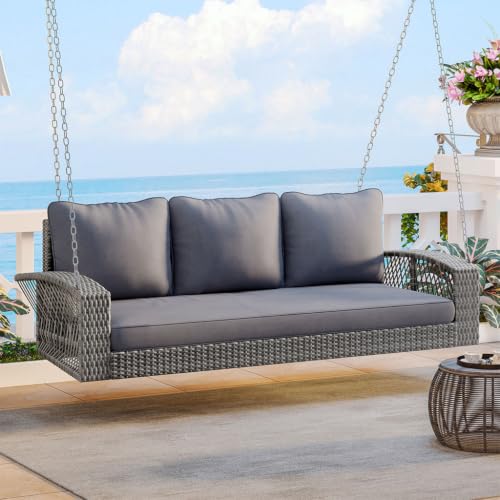
SPACIOUS 3-PERSON SEATING: Measuring 69 inches wide, this outdoor porch swing provides generous seating for up to three people. The wide seat and thick high-density cushions create a comfortable spot for relaxing, chatting or enjoying time outdoors.

Bold flat tube multipurpose chair: 8×8 chair surface, thick flat tube e, 15-speed adjustment, soft and comfortable, and removable cotton pad.
Poolside Planters and Containers for Flexible Hamptons Style

Many poolside planters give you the freedom to change your garden’s look whenever you want. Modular planters let you rearrange your layout easily, and portable urns work well near lounge chairs or steps.
Try tall urns filled with ornamental grasses for a breezy, coastal feel. You can refresh your poolside style each season without major effort.
Frequently Asked Questions
What Pool Chemicals Are Safest for Nearby Coastal Garden Plants?
You’ll want to use low chlorine formulas, enzyme-based treatments, and phosphate-free products to protect your coastal garden. These options work best alongside salt-tolerant plants, keeping your poolside landscape thriving without chemical damage.
How Close to the Pool Edge Can I Safely Plant Shrubs?
Plant shrubs at least 3-5 feet from the pool edge. You’ll want adequate root distance to prevent structural damage and guarantee maintenance access for cleaning, pruning, and chemical treatments around your pool’s perimeter.
Which Poolside Plants Pose Risks to Swimmers or Bare Feet?
You’ll want to avoid stinging nettles, plants with sharp seedheads, and thorny shrubs near your pool. They’re dangerous to bare feet and wet skin, turning your relaxing swim into an uncomfortable, painful experience.
How Do I Protect Hamptons Poolside Plants During Harsh Winters?
Protect your Hamptons poolside plants by applying winter mulching around their bases for root insulation. You’ll also want to wrap tender specimens in burlap, move containers indoors, and water deeply before the ground freezes.
Are Any Popular Poolside Plants Toxic to Dogs or Children?
Poisonous poolside plants pose real peril! You’ll want to avoid oleander toxicity and sago palms—both are dangerously deadly to dogs and children, so you’re safeguarding your loved ones by choosing pet-friendly, kid-safe alternatives instead.
Conclusion
You’ve got everything you need to create the most breathtaking poolside garden on the entire East End. Start with a few key plants, like ornamental grasses or hydrangeas, and build from there. Layer textures, add containers for flexibility, and choose salt-tolerant varieties so your garden stays healthy all season. You don’t need a huge budget or a green thumb — just a solid plan and the right plants.


