


Cordylines bring bold color and structure to any outdoor space. These striking plants work well in corners, beside pools, or along pathways, and they suit both large gardens and small patios. Homeowners can use them as focal points or privacy screens, and the results are often impressive. Each of the 15 ideas ahead offers a specific way to make cordylines work harder in any yard.
Vibrant Cordyline Corner for the Backyard
A dull backyard corner can become something special with the right plants. Cordylines work well here because their bold, upright leaves create height and drama naturally.
Grouping several plants together builds a dense, lush look that fills the corner fully. Taller varieties anchor the back, and shorter ones layer the front for depth.
The vivid foliage colors, ranging from deep red to bright green, add visual interest year-round. This simple arrangement transforms a neglected corner into a true focal point, giving the entire backyard a more polished and tropical feel without requiring complex gardening skills. Displaying cordylines in cedar deck planters is a great way to add structure and warmth to the corner while keeping the plants contained and easy to rearrange.
Use Giant Cordyline Ti Plants as Bold Focal Points

Giant Ti plants bring instant drama to any landscape design. Their large, bold leaves create strong visual impact, and they work especially well as focal points in open garden spaces.
Placing a giant Cordyline where sightlines naturally converge draws the eye immediately. These plants grow tall and wide, so they need enough room to spread freely.
A single specimen can anchor an entire planting bed, and grouping two or three together creates even greater effect. Their rich leaf colors contrast beautifully with surrounding greenery, making each plant stand out clearly within the overall landscape composition. Displaying them in large outdoor planters allows you to reposition these bold specimens as your garden design evolves.
Recommended Products

Grow More in Each 22" Tall Planter: Each round metal planter measures 23.98" L x 23.98" W x 22.05" H, giving you deep growing space for citrus trees, dwarf fruit trees, tomatoes, vegetables, herbs, flowers, and decorative patio plants.(Approx. 40 Gallons Each)

Suncast decorative planter is a versatile planter that is great for both indoor and outdoor use, Suncast Sonora planter retains moisture better and longer than traditional clay pot
Group Cordylines Together for a Layered Backyard Look

While single specimens make strong statements, grouping Cordylines together opens up even more design possibilities for the backyard. Clustered plantings create depth, color variety, and layered height that feels intentional and lush.
Consider these grouping strategies:
- Mix tall and short varieties to build natural tiers
- Combine green, red, and pink tones for color contrast
- Place denser groups in corners for a cozy, enclosed feel
- Space plants slightly apart to allow healthy airflow
Grouped Cordylines transform plain backyard corners into eye-catching displays. This approach suits both large gardens and smaller outdoor spaces equally well. For a finishing touch that adds timeless elegance, consider incorporating a brass garden sundial as a decorative focal point among your plantings.
Grow Tall Cordylines as a Privacy Screen Around the House

Tall Cordylines work surprisingly well as a natural privacy screen around the house perimeter. Their upright growth habit creates consistent height, and their bold, colorful foliage adds visual interest along any boundary.
Planting them in a continuous row strengthens the screening effect considerably. Spacing them about three feet apart allows each plant enough room to develop fully while maintaining a solid visual barrier.
They grow steadily without requiring constant trimming or reshaping. Their striking leaf colors bring color impact to otherwise plain fence lines or walls, making the screening both functional and attractive throughout the year. Displaying potted Cordylines along the perimeter is made easier with metal plant shelves, which keep containers organized and elevated for a more polished look.
Recommended Products
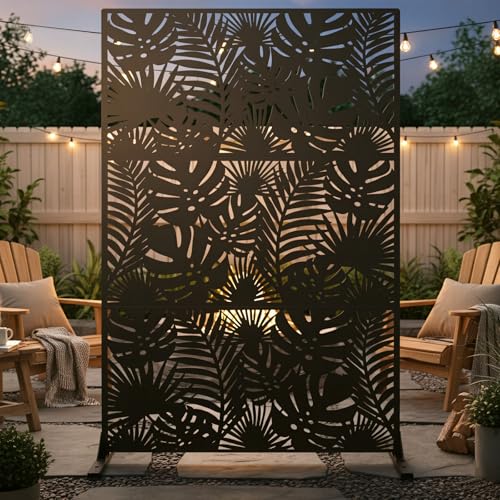
𝗢𝘂𝘁𝗱𝗼𝗼𝗿 𝗣𝗿𝗶𝘃𝗮𝗰𝘆 𝗦𝗰𝗿𝗲𝗲𝗻 𝗳𝗼𝗿 𝗣𝗮𝘁𝗶𝗼, 𝗚𝗮𝗿𝗱𝗲𝗻 & 𝗕𝗮𝗹𝗰𝗼𝗻𝘆:Transform your outdoor area with this decorative metal privacy screen. The 72x44in freestanding panel creates a modern garden divider that shields unwanted views while adding a contemporary touch to your patio, balcony, or backyard.

Elegant Privacy Solution: Enhance your living space with a stylish metal privacy screen that not only defines areas but seamlessly blends with any interior décor. This patio privacy screen adds a touch of elegance while creating a secluded, private space, providing you with both privacy and aesthetic appeal.

𝐇𝐄𝐀𝐕𝐘-𝐃𝐔𝐓𝐘 𝐑𝐔𝐒𝐓𝐏𝐑𝐎𝐎𝐅 𝐒𝐓𝐄𝐄𝐋 𝐂𝐎𝐍𝐒𝐓𝐑𝐔𝐂𝐓𝐈𝐎𝐍: Built from thick galvanized steel with a weather-resistant powder coating, this outdoor privacy screen withstands rain, sun, and wind without rusting or warping—ideal for year-round outdoor use.
Combine Cordylines With Tropical Plants for Lush Garden Depth

Pairing Cordylines with other tropical plants creates a layered, lush look that feels rich and inviting.
Different plants bring varied textures and heights, and this mix adds real depth to any garden space. Good companion plants include:
- Elephant ears for bold, oversized leaves
- Heliconias for bright, exotic flower spikes
- Bird of paradise for striking vertical color
- Ferns for soft, feathery ground-level texture
Each plant fills a different layer.
Cordylines provide colorful upright structure, while companions fill gaps beautifully. This combination creates a garden that looks full, tropical, and thoughtfully designed without feeling cluttered. For gardeners who want to extend the growing season or grow tropical companions indoors, LED grow light panels can provide the consistent light these plants need to thrive year-round.
Recommended Products

Higher Output & Brighter Grow Light Panel---192 High Quality LEDs and 12W Actual Power per panel. 3x Brightness to other low price and messy wires panel grow light. Help your indoor plants growing better and healthier. 4Pack is Born for common plant shelves.

Multi-Purpose Stand Grow Lamp: Compared to traditional plant light, our newest grow light feature a detachable tripod design, which you can insert it directly into a plant pot by our pointed nut or place it on the floor or desktop with tripod stand, you can choose the appropriate irradiation method according to your own preferences.

Upgraded Grow Light with Stand: This indoor grow light is equipped with a adjustable tripod stand extendable from 15 inches to 48 inches , just set it at desired height for your preferred use, you can stand it on the floor and adjust the gooseneck at the desired angle according to the needs of the plant.
Plant Mini Cordylines in Exterior Beds and Borders

Mini Cordylines bring color and texture to exterior beds and borders without taking over the space.
Their smaller size makes them easy to place along home facades, pathways, and garden edges.
They fit neatly into tight spots where larger plants would crowd out neighboring plants.
Gardeners can space them evenly to create clean, colorful borders that define bed edges clearly.
Mini varieties also layer well with low groundcovers and mid-height shrubs, adding visual depth without height problems.
Their bold leaf colors contrast nicely against stone edging, mulch, and neutral walls, making exterior beds look intentional and well-designed.
Keeping garden beds watered is easier when using a durable stainless steel hose reel to manage and store the hose between uses.
Border Your Garden Bed With Vivid Cordyline

Exterior beds look polished when Cordylines line their edges with bold, vivid color. They define spaces clearly and add structure to planting designs. Gardeners can space plants evenly or cluster them for rhythm.
Strong border results come from these simple choices:
- Selecting varieties with rich reds, pinks, or purples
- Planting at consistent heights for a clean visual line
- Mixing compact Cordylines with low ground cover plants
- Repeating the same variety for a unified look
Borders frame garden beds beautifully, and Cordylines make that framing colorful and striking. Even modest gardens benefit greatly from this approach. Adding large wind spinners near Cordyline borders brings kinetic energy and visual interest that complements the bold foliage beautifully.
Tuck Low Cordylines Along a Rustic Stone Wall

Along a rustic stone wall, low-growing Cordylines create a natural and colorful contrast that draws the eye. Their bold foliage softens the rough stone texture nicely. Tucking them close to the base adds layered interest and color at ground level.
| Aspect | Detail |
|---|---|
| Height | Under 3 feet tall |
| Best Varieties | Red Sister, Pink Passion |
| Soil Needs | Well-draining, moist soil |
| Light | Partial to full sun |
This pairing works well in most yards. The stone provides structure, and the Cordyline provides warmth. For a polished finishing touch, displaying nearby plants in outdoor copper planters adds a warm metallic accent that complements both the stone and the foliage beautifully.
Line a Pathway With Contrasting Cordylines

Stone walls and ground-level planting are great, but pathways offer a whole new canvas. Lining a walkway with contrasting Cordylines creates strong visual rhythm and guides movement naturally. Different leaf colors placed side by side produce clear, eye-catching contrast.
Pathways are a canvas waiting to be filled — line them with contrasting Cordylines and let the colors lead the way.
Consider these effective approaches:
- Alternate dark burgundy and bright green varieties for bold contrast
- Space plants evenly to maintain a clean, ordered look
- Choose compact varieties so plants don’t crowd the path
- Mix heights slightly to add gentle visual interest
This simple arrangement transforms an ordinary pathway into a colorful, structured garden feature. Framing the entrance to your pathway with wrought iron garden gates adds an elegant, defined starting point that complements the structured planting beyond.
Add a Bold Color Pop With Cordyline Red Sister

Few plants make a statement quite like Cordyline ‘Red Sister.’ Its deep pink and burgundy leaves catch the eye immediately, and the bold color works well in many garden settings.
Gardeners can place it in focal spots where color is needed most. It pairs nicely with green or silver plants, and the contrast creates strong visual interest. Planting it in groups intensifies the color effect considerably. A single specimen works well near an entrance or along a garden path.
‘Red Sister’ thrives in warm, sunny spots, and regular watering helps it stay vibrant throughout the growing season. During colder months, nearby birds can enjoy the garden too with a heated bird bath that keeps water accessible even when temperatures drop.
Plant Pink Cordylines in Mass Groupings for Soft Color

Mass plantings of pink Cordylines create a soft, cohesive color block that draws the eye naturally. Grouping several plants together builds a romantic, unified look that single plants cannot achieve. This approach works especially well in pastel-themed or cottage-style gardens.
- Choose a shaded or partially sunny spot for best color
- Space plants 18–24 inches apart for density
- Mix light and deep pink varieties for subtle contrast
- Edge the grouping with low ground cover for definition
Pink Cordylines look gentle yet intentional, and massed arrangements give any garden bed a polished, welcoming character.
Grow Cordyline Red Sensation Beside the Pool

Poolside planting becomes more exciting when Cordyline Red Sensation enters the picture. Its deep red foliage creates a bold contrast against blue water, and this pairing gives any pool area a tropical feel.
The plant thrives in warm, sunny spots near pools. Gardeners should place it in groups or as a single accent beside seating areas. Red Sensation grows to a manageable height, so it frames the pool without blocking views.
Its striking color holds year-round, and minimal maintenance keeps it looking sharp. This variety brings consistent drama and warmth to outdoor recreational spaces.
Mark Your Garden Gate With a Tall Cordyline

Moving from the pool area to the front of the property opens up another great spot for Cordyline. A tall variety placed beside the garden gate creates a strong, welcoming entrance. It draws the eye and signals where visitors should enter.
A tall Cordyline beside the garden gate creates a strong, welcoming entrance that draws the eye naturally.
Consider these placement tips:
- Position one plant on each side of the gate for balance
- Choose a variety reaching at least four feet tall
- Select bold colors like deep red or burgundy
- make certain enough soil depth for healthy root growth
This simple addition gives the entrance clear structure and lasting visual appeal.
Display Cordylines in Containers for Patio Interest

Containers give Cordylines a flexible home on any patio or deck. Gardeners can move pots easily, so plants shift position with the seasons.
Choose a large container with good drainage holes to keep roots healthy and prevent waterlogging. A bold variety like ‘Red Sister’ adds strong color near seating areas, and pairing it with smaller green plants creates pleasing contrast.
Cordylines in pots also work well flanking doorways or lining steps. Regular watering and occasional feeding keeps container plants looking their best, and repotting every two years gives roots fresh space to grow strong.
Fill Tropical Yard Corners With Tall Colorful Cordylines

A yard corner can feel bare and overlooked, but tall Cordylines fix that problem quickly. Their bold, colorful leaves create an instant focal point.
Consider these planting ideas:
- Place tall varieties like Red Sister for strong color impact
- Group several plants together for a dense, lush look
- Mix Cordylines with other tropical plants for a layered effect
- Choose contrasting foliage colors to add visual depth
Corner plantings with Cordylines bring height, structure, and vibrancy to otherwise empty spaces. They suit tropical-themed yards especially well, transforming neglected corners into eye-catching garden features.
Frequently Asked Questions
How Often Should Cordyline Plants Be Watered During Dry Seasons?
During dry seasons, cordyline plants should be watered deeply once or twice weekly. They prefer consistently moist but well-drained soil, and gardeners should allow the top inch to dry slightly between waterings to prevent root rot.
Are Cordylines Toxic to Pets or Children if Ingested?
Barking up the wrong tree assumes Cordylines are safe — they aren’t. Cordylines are toxic to pets, particularly cats and dogs, causing vomiting and lethargy if ingested. Children should also avoid consuming any plant parts.
What Soil Type Is Best Suited for Growing Healthy Cordylines?
Cordylines thrive in well-draining, slightly acidic to neutral soil with good organic matter content. They prefer loamy or sandy soils that retain some moisture without waterlogging, as consistently wet roots can lead to rot and decline.
How Do You Propagate Cordyline Plants at Home Successfully?
Cordyline plants are successfully propagated at home by cutting stem sections, removing lower leaves, and planting them in moist, well-draining soil. They can also be propagated through offsets, called suckers, separated carefully from the parent plant’s base.
Can Cordylines Survive Frost or Cold Winter Temperatures Outdoors?
Most Cordylines struggle in frost and freezing temperatures, preferring mild climates. They can survive light frosts briefly, but prolonged cold damages foliage and roots. Gardeners in colder regions should mulch heavily or move container plants indoors during winter.
Conclusion
Cordylines offer endless ways to transform any outdoor space. The right placement and pairing can turn a plain yard into something truly unexpected. Bold colors, dramatic heights, and container flexibility make these plants surprisingly versatile. But here is the thing — the best design choice depends entirely on one factor most gardeners overlook. Will the next cordyline idea on this list finally reveal what that missing piece is?


