


Fall is a good time to act in the garden. Planting now gives roots time to settle before the ground freezes, and choosing the right flowers keeps color going well past summer. From dividing grasses to mulching beds and styling containers, small steps now prevent bigger problems later. Fifteen practical ideas ahead cover what to plant, what to prune, and what to finish before the first frost arrives.
Plant Shrubs and Perennials in Fall, Not Spring
Planting shrubs and perennials in fall gives roots time to establish before winter arrives. Cool temperatures reduce plant stress, and soil stays warm enough to encourage healthy root growth.
Fall planting also means less watering and less competition from summer weeds. Gardeners in cold climates should plant early in the season, giving roots several weeks to settle before frost hits. Mulching around new plants helps insulate roots and retains moisture through dry autumn weeks.
Spring planting forces plants to establish during heat and drought, but fall offers gentler, more forgiving conditions that set plants up for strong growth ahead. Using raised garden beds metal can improve drainage and soil warmth, helping newly planted shrubs and perennials establish even more successfully in fall.
The Best Fall Flowers to Plant Beyond Basic Mums

Beyond the familiar orange mum, fall gardens can hold so much more color and variety. Many flowers bloom beautifully in autumn and last well into the season.
Fall gardens offer far more than orange mums — autumn blooms bring surprising color and variety well into the season.
Gardeners can choose from a surprisingly wide range of colors and plant types.
Here are four great options worth considering:
- Asters – Purple and pink blooms attract pollinators late in the season.
- Rudbeckia – Golden yellow flowers brighten borders and resist cold well.
- Sedum – Produces rosy clusters and holds color through frost.
- Ornamental Kale – Adds bold foliage color when flowers fade naturally.
A patio storage cabinet can keep garden tools and supplies organized and protected as you transition your outdoor space into the fall season.
Fall-Blooming Perennials That Carry Your Garden Through the Season

Choosing the right perennials makes a real difference in keeping a fall garden looking full and colorful. These plants return each year, so they offer reliable seasonal beauty without replanting. Many bloom in late summer and carry color well into October.
| Perennial | Bloom Season |
|---|---|
| Sedum | Late Summer–Fall |
| Aster | Early–Mid Fall |
| Rudbeckia | Late Summer–Fall |
| Toad Lily | Mid–Late Fall |
Planting a mix of these perennials creates overlapping bloom times, and that keeps bare patches from appearing as earlier flowers fade. When it comes time to prepare beds and divide established clumps, a forged steel garden fork makes the work considerably easier and more efficient.
Which Shrubs Actually Bloom in Fall?

Shrubs bring real staying power to a fall garden, and several varieties actually produce blooms well into the cooler months. They add structure and color when other plants fade. Choosing the right shrubs means enjoying repeat performance year after year.
- Encore Azalea – reblooms from summer through fall
- Bluebeard (Caryopteris) – produces blue-purple flowers in late summer and fall
- Butterfly Bush – attracts pollinators and blooms into cooler weather
- Smooth Hydrangea – holds blooms through autumn with minimal care
These shrubs reward gardeners with consistent, seasonal color. Pairing them with a garden trellis metal structure can enhance vertical interest and give climbing varieties the support they need to thrive throughout the season.
Recommended Products

Jubilation Gardenia produces sweetly fragrant white flowers from late spring through fall, offering one of the longest blooming seasons of any gardenia variety. Its rich, dark green leaves provide year-round structure and contrast beautifully with the pure white blooms.

For sale is 1 Strawberry Sundae Hydrangea that is approximately 14-20" tall and shipped in a gallon pot.
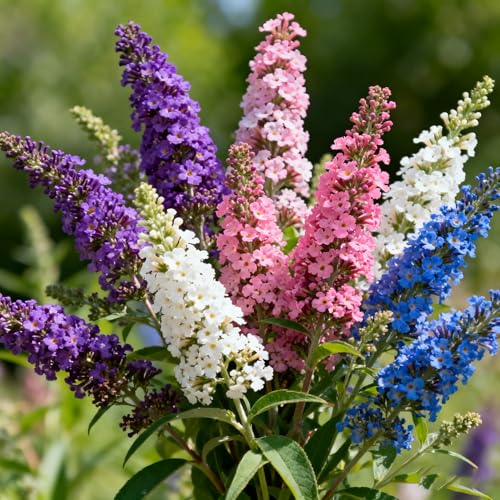
300 Premium Butterfly Bush Seeds: Create a butterfly paradise with our collection of 300 Buddleia seeds. Grow these fast-growing shrubs that produce beautiful flower spikes adored by beneficial pollinators.
Berry-Producing Shrubs That Add Fall Color and Form

Berry-producing shrubs offer a colorful bonus when most flowers have faded. Their fruit adds pops of red, orange, purple, and white to the fall landscape, and these colors often last well into winter.
Shrubs like beautyberry and winterberry holly produce dense clusters of vivid berries that stand out against bare branches. Planting several berry-producing shrubs together increases fruit production, because many varieties need a pollinator nearby.
Birds also appreciate the berries, so gardeners gain both visual interest and wildlife activity. These shrubs provide lasting form and color long after other plants have finished for the season. Displaying them in outdoor copper planters can add a warm, metallic accent that complements the rich tones of fall berries beautifully.
Recommended Products

🌸 Stunning Four-Season Interest – Produces delicate white flowers in early spring, edible berries in summer, vibrant red-orange fall foliage, and attractive branching in winter.

For sale is an American Beautyberry shrub that is approximately 4-8" tall and shipped in a 2.5" pot. Refer to the second picture in this listing for an example of the appoximate size your plant will be when shipped out.

For sale is one Aurora Honeyberry that is approximately 6-12 inches tall
Don’t Overlook Foliage as a Fall Color Source

Alongside berries and blooms, foliage deserves a spotlight in the fall garden. Leaves offer lasting color that carries the garden through the entire season. Many proven foliage varieties provide rich texture and bold hues.
Great foliage choices include:
- Deep purple leaves that contrast well against orange and yellow plants
- Silvery or gray foliage that brightens shaded garden corners naturally
- Variegated leaves with mixed tones that extend visual interest longer
- Burgundy-tinted grasses that move gently and add soft texture
Foliage performs consistently, and it rarely fades as quickly as flowers do. Displaying bold foliage in a stainless steel planter box creates a sleek, modern contrast that enhances the natural tones of fall color.
10 Plants That Push Your Fall Garden’s Color Later

The fall garden does not have to slow down just because summer ends. Certain annuals, perennials, and shrubs keep producing color well after summer fades. Plants like ornamental grasses, late-blooming perennials, and berry-producing shrubs extend the season noticeably.
Each plant type adds something different, so combining them creates layered interest. Some hold their blooms longer in cooler temperatures, and others develop richer color as frost approaches. Adding metal garden art among your season-extenders can anchor the landscape with visual structure that remains striking even as plants go dormant.
Choosing even a few season-extenders makes a meaningful difference in how long the garden looks its best. The goal is keeping the landscape lively until winter truly arrives.
Plant Spring Bulbs Now for Better Blooms Next Year

Among the easiest fall tasks, planting spring bulbs now pays off with beautiful blooms next year.
Bulbs need cold winter temperatures to develop properly, so fall planting sets them up for success.
They settle into the soil before freezing weather arrives, giving roots time to establish.
Follow these simple steps:
- Choose bulbs like tulips, daffodils, or hyacinths
- Plant pointy-side up at the correct depth
- Water thoroughly after planting to encourage root growth
- Mulch over the area to protect bulbs from harsh winter conditions
Spring rewards will follow naturally. For gardeners in colder climates, using a garden cold frame premium setup can help protect delicate bulbs and extend your growing season well into the colder months.
How to Design a Fall Container Garden That Actually Works

While spring bulbs work their magic underground, fall containers can bring color and life to any outdoor space right now.
A strong container combines three elements: a tall thriller, a mounding filler, and a trailing spiller. Ornamental grasses work well as thrillers, and mums add reliable filler color.
Good drainage matters, so containers need holes in the bottom. Grouping pots of different heights creates visual interest and depth.
Gardeners in warm climates can explore non-traditional plants beyond standard mums. Searching container recipe combinations helps narrow down the best plant pairings for any pot size or style.
Choosing large outdoor planters gives plants more root space, which supports stronger growth and better moisture retention throughout the season.
Recommended Products

Timeless Design: Perfect for adorning garden pathways, porch steps, and indoor patios, showcase plants beautifully in this fluted garden urn that features graceful lines and an ornamental rim.

【Unique Design】The whiskey barrel planters stands out with its simple texture and classical design mimicking a wine barrel. This distinctive design of the plant pots with drainage holes not only sets your planter apart but also adds a touch of sophistication to indoor or outdoor spaces.

🌱【Vintage Design】4 Pack 10 inch Plant Pot adopt vintage style to match your home decor, the rugged look and faux wine barrel design complements many different decorative styles. You can feel this peaceful rustic comfort when planting in your garden or front yard.
Fall Container Recipes for Warm Southern Climates

Gardeners in warm southern climates face a unique fall planting situation, because cooler temperatures arrive later and plants have more growing time before winter.
Southern containers can hold color well into December, and smart plant choices make that possible.
- Swap mums for pentas or lantana, which thrive in lingering heat
- Add ornamental peppers for bold orange and red color
- Use sweet potato vine as a trailing filler
- Include crotons for vivid foliage texture
Southern gardeners have more flexibility than northern ones, and using heat-tolerant plants keeps containers looking full and fresh longer. Choosing premium terracotta pots for your fall containers helps regulate soil moisture and supports healthy root development in warmer temperatures.
How to Care for Ornamental Grasses This Fall

Fall is a great time to give ornamental grasses some attention. Gardeners can plant new grasses now, since cooler soil temperatures help roots establish before winter arrives.
Dividing overcrowded clumps in early fall gives each section room to grow and thrive. Cutting grasses back is best saved for late winter or early spring, because the seed heads provide food for birds and visual interest through cold months.
Mulching around the base helps protect roots from harsh freezes. These simple steps keep ornamental grasses healthy and ready to deliver a strong, beautiful performance come spring.
How to Prune Hydrangeas in Fall Without Killing Next Year’s Blooms

Pruning hydrangeas in fall can feel tricky, but understanding a few key rules makes it much easier. The type of hydrangea determines when and how to prune it correctly.
Pruning hydrangeas feels tricky until you learn the rules — and the right rules start with knowing your variety.
- Bigleaf and oakleaf hydrangeas bloom on old wood, so avoid fall pruning entirely.
- Panicle and smooth hydrangeas bloom on new wood and tolerate fall trimming well.
- Remove only dead or damaged stems to stay safe across all varieties.
- Wait until late fall after leaves drop to see the plant’s true structure clearly.
Knowing the variety protects next year’s blooms.
10 Fall Garden Tasks to Finish Before First Frost

Before the first frost arrives, a few key tasks can protect the garden and set it up for a strong spring return. Gardeners should cut back dead perennials, divide overcrowded plants, and plant spring bulbs while soil stays workable.
Mulching beds helps insulate roots and enrich soil over winter. Shrubs and trees benefit from deep watering before the ground freezes.
Containers need draining to prevent cracking. Garden tools should be cleaned and stored properly.
Composting fallen leaves reduces waste and builds healthy soil, and a final cleanup removes diseased plant material that could cause problems next season.
How to Mulch Your Beds Before Winter Hits

Mulching garden beds before winter is one of the smartest things a gardener can do.
Mulching your garden beds before winter arrives is one of the wisest investments any gardener can make.
A good layer of mulch protects plant roots from freezing temperatures and helps soil retain moisture through dry winter months.
Follow these simple steps:
- Clear debris – Remove dead leaves and spent plants first.
- Choose the right mulch – Shredded wood, straw, or leaf mulch all work well.
- Apply 2–3 inches – Spread evenly but keep mulch away from plant stems.
- Mulch after frost – Waiting locks in cooler soil temperatures naturally.
Gardens reward this small effort generously come spring.
Fall Flowers That Double as Halloween Decor

Some fall flowers do double duty as Halloween decorations, and that makes them especially worth planting. Deep purples, burnt oranges, and near-blacks match the season’s spooky palette perfectly. Certain flowers even carry eerie names, adding fun storytelling to any garden.
| Flower | Color | Halloween Vibe |
|---|---|---|
| Black-eyed Susan | Gold and black | Classic dark contrast |
| Witch hazel | Pale yellow | Eerie, spidery blooms |
| Snapdragon | Deep burgundy | Skull-like seed pods |
| Ornamental kale | Purple-black | Dramatic, moody texture |
Planting these varieties creates natural seasonal décor, and they bloom reliably without extra effort.
Conclusion
Fall gardening asks for a little elbow grease before the cold arrives. Gardeners who plant bulbs, divide grasses, and mulch beds now are simply making a quiet investment in next year’s beauty. Choosing late bloomers like asters and sedum keeps the garden from going to sleep too early. Small efforts in autumn reward with rich color and stronger plants when warmer days return.


