


You’ll transform your yard into something special when you plant tulips this season. These 19 garden designs work beautifully in early spring, and they’re easier to create than you might think. Each arrangement uses different color combinations and planting techniques to achieve distinct looks. Whether you prefer bold rainbow patterns or subtle single-color displays, you’ll find options that match your style and skill level, starting with the timeless appeal of traditional Dutch arrangements.
Key Takeaways
- Classic Dutch Rainbow Rows use five to seven coordinating colors planted in parallel lines, spaced six inches apart for maximum visual impact.
- Sunset Ombre Garden Beds arrange tulips in color gradients from deep purple to sunny yellow, planted in sweeping curves for dramatic effect.
- Mixed Height Layered Displays place tall tulips in back, medium in middle, and short in front to create cascading visual interest.
- Naturalistic Planting Techniques cluster seven to fifteen bulbs irregularly along woodland edges, paired with ferns and hostas for authentic beauty.
- Purple and Yellow Complementary Contrast creates striking combinations using basic color theory, planted in groups of five or seven bulbs.
Classic Dutch Rainbow Rows

The classic Dutch rainbow row design brings stunning color to any tulip garden.
You’ll plant bulbs in straight, parallel lines across your garden bed. Each row features a different tulip color. This creates bold, colorful tulip arrangements that catch everyone’s eye.
Start with traditional planting techniques by spacing bulbs six inches apart. Choose five to seven coordinating colors for maximum impact. Purple, pink, yellow, orange, and red work beautifully together, and you can arrange them from dark to light shades.
This method originated in Holland’s famous flower fields, so you’re following centuries of proven gardening wisdom. To keep your tulips thriving throughout the season, consider installing automatic drip irrigation to ensure consistent watering without manual effort.
Monochromatic White Elegance

White tulips create a sophisticated garden that feels peaceful and refined. You’ll love their elegant simplicity in borders and beds.
Plant varieties like ‘White Triumphator’ or ‘Purissima’ together for maximum impact. White accents work beautifully against dark mulch or evergreen shrubs, and they make small spaces look larger.
You can mix different white tulip heights to add gentle dimension. Early morning light makes white blooms glow softly.
Pair them with white pansies or dusty miller for a complete look. This design choice creates a calming retreat you’ll enjoy throughout early spring mornings. Display your white tulips in large outdoor planters to add versatility and elegance to any garden space.
Sunset Ombre Garden Bed

Creating a sunset-inspired tulip bed brings warm, glowing colors to your garden space.
You’ll want to arrange your tulips in color gradients. Start with deep purple varieties at one end, and they’ll represent the darkening sky. Move to rich reds and bright oranges in the middle section. Finish with sunny yellows at the opposite edge.
This garden layout mimics actual sunset hues you see in nature. Plant your bulbs in sweeping curves rather than straight rows. The flowing arrangement creates a more natural, dramatic effect that’ll captivate visitors throughout early spring.
Consider using a cedar raised garden kit to contain your sunset ombre design and ensure proper drainage for your tulip bulbs.
Purple and Yellow Complementary Contrast

When you pair purple tulips together with yellow tulips, you’ll create one of nature’s most striking color combinations.
This approach uses basic color theory to maximize garden aesthetics through vibrant contrast. Purple and yellow sit opposite each other on nature’s palette, and this positioning makes both spring colors appear more intense when planted side by side.
Your seasonal blooms will stand out beautifully in early spring light. These floral combinations follow proven design principles that professional landscapers use regularly.
Plant them in groups of five or seven for best results. Consider organizing your tulips near an outdoor potting table where you can prepare your seasonal plantings and garden supplies.
Mixed Height Layered Display

Layered tulip displays add depth and visual interest to your garden beds.
You’ll want to place tall varieties in the back. Position medium-height tulips in the middle section of your border. Short tulips belong at the front where you can see them easily. This height variation creates a cascading effect that draws the eye through your entire garden.
These layering techniques work best when you plant in groups of five to seven bulbs of each variety, and this approach guarantees that every tulip gets noticed while creating a cohesive, flowing design that maximizes your spring display. Consider using stone resin planters to create structured, elegant groupings that complement your tiered tulip arrangements.
Cottage Garden Tulip Scatter

While formal layering works beautifully for structured borders, cottage garden designs embrace a more relaxed approach.
You’ll scatter tulip bulbs randomly throughout your beds for cottage charm. Plant them in irregular clusters of five to seven bulbs. This creates natural-looking drifts that mimic wildflowers.
Mix different varieties and colors together without strict patterns. The rustic appeal comes from unpredictable placement and organic groupings. You don’t need perfect spacing or geometric arrangements here.
Simply toss bulbs gently onto the soil and plant where they land. This method produces charming, unstudied beauty that feels effortlessly spontaneous and welcoming. Consider using metal raised beds to create defined cottage garden spaces while maintaining that organic, relaxed aesthetic.
Bold Red Carpet Design

For maximum visual impact, you’ll want solid blocks of red tulips.
Plant at least 50 bulbs together in rectangular beds. This creates your bold red carpet effect that visitors will notice immediately.
Choose varieties like ‘Red Impression’ or ‘Apeldoorn’ for consistent height and color.
Space bulbs six inches apart for dense coverage, and they’ll bloom uniformly in mid-spring.
Your vibrant tulip arrangements work best along walkways or near entryways. The concentrated color draws eyes straight to your garden’s focal point, and you’ll enjoy this dramatic display for three weeks each spring season.
When preparing your beds, electric pruning shears can help you trim back any overgrown foliage and create clean garden edges for your tulip display.
Pastel Patchwork Quilt Pattern

If you prefer softer colors, pastel tulips create a charming patchwork effect in your garden.
Plant pink, lavender, and cream varieties in blocks. Each color section should measure about two feet square. This arrangement mimics traditional quilt designs you’d see on a bed. The pastel colors blend gently while maintaining distinct boundaries between sections.
You’ll want to space bulbs six inches apart for full coverage. Choose varieties that bloom simultaneously for the best effect.
The soft hues work particularly well in shaded areas, and they won’t overwhelm smaller garden spaces like bolder colors might. A smart sprinkler system can ensure your pastel tulips receive consistent watering throughout the growing season.
Black Tulip Drama With White Accents

Although black tulips appear nearly purple in bright light, they create stunning visual impact when paired with white varieties.
Black tulip symbolism represents elegance and sophistication in garden design. You’ll find popular black tulip varieties include ‘Queen of Night’ and ‘Black Hero’.
Plant them in groups of five to seven bulbs. Then surround these clusters with white tulips like ‘Maureen’ or ‘White Triumphator’.
This contrast makes both colors appear more vibrant and dramatic. Space your bulbs six inches apart for ideal growth, and you’ll enjoy this striking display throughout early spring when both varieties bloom simultaneously.
Consider complementing your tulip garden with metal garden art to add sculptural interest and year-round visual appeal to your outdoor space.
Container Combination Trio

Anyone can create a beautiful container display by planting three tulip varieties together in one large pot.
You’ll want to choose colors that complement each other naturally. Pick an early, mid, and late-season variety for extended blooms. This approach keeps your container colorful for weeks instead of days.
Start with quality container design ideas that focus on height variation. Place taller tulips in the center and shorter ones around the edges.
These trio planting techniques work best in containers at least 12 inches deep. Water thoroughly after planting, and you’ll enjoy a spectacular spring show. For added functionality and organization, consider using a patio storage cabinet nearby to store your gardening tools and supplies.
Woodland Edge Naturalistic Planting

When planted along woodland edges, tulips create stunning natural displays that look effortless.
You’ll achieve woodland harmony by selecting species tulips in soft colors like yellow and white. Plant them in irregular clusters of seven to fifteen bulbs. This mimics how flowers grow in nature.
Space the groups randomly rather than in straight lines, and you’ll create authentic natural beauty. Pair your tulips with ferns, hostas, and native wildflowers for a complete look.
The dappled shade from nearby trees protects the blooms from harsh afternoon sun, which helps them last longer throughout spring.
A garden cart poly makes it easy to transport bulbs, soil, and planting materials throughout your garden while designing these woodland displays.
Recommended Products

MIXED COLORS: Includes a carefully selected assortment of tulip colors and forms for a vibrant, eye-catching display. Create a dynamic garden or bouquet with blooms in red, yellow, pink, white, purple, and more.

Fresh, Healthy Tulip Bulbs to Grow. Top Size Bulbs

Bloom Time: Mid Spring / Height: 22-26" / Bulb Size: 11/12 cm
Striped Ribbon Bed Design

Striped ribbon beds bring bold visual impact to your garden through parallel rows of contrasting tulip colors.
You’ll create stunning striped patterns by planting three to five rows of different varieties side by side. Choose colors that create strong contrast, like purple next to yellow or red beside white.
Each ribbon should be 12 to 18 inches wide for best effect. The ribbon textures emerge beautifully when you plant bulbs six inches apart within rows.
This design works perfectly along pathways or garden borders, and you can repeat the pattern for dramatic effect throughout your landscape.
A garden storage bench provides convenient space to sit and enjoy your striped tulip display while keeping gardening tools organized nearby.
Hot Pink and Orange Tropical Vibe

While striped designs create structured elegance, you can transform your garden into a vibrant paradise with hot pink and orange tulips.
These tropical color combinations bring warmth to cool spring mornings. Plant ‘Orange Emperor’ tulips alongside ‘Barcelona’ hot pink varieties for maximum impact.
Space them in clusters of seven to nine bulbs. This creates vibrant garden accents that draw the eye naturally. The bold pairing works especially well near patios and walkways.
You’ll love how these energetic colors lift your mood and welcome guests with cheerful intensity that celebrates spring’s arrival. Consider adding a garden solar pump to your nearby water feature for sustainable irrigation that keeps your tulip display thriving throughout the season.
Parrot Tulip Showcase Garden

For those who love dramatic flair, parrot tulips offer ruffled petals that resemble exotic feathers.
You’ll find parrot tulip varieties in stunning color combinations like green-streaked red and flame-patterned yellow. These showstoppers deserve prime garden placement where visitors can admire their intricate details.
Plant them in groups of seven or more for maximum impact. Parrot tulip care mirrors standard tulip requirements, so you don’t need special skills.
They prefer well-draining soil and full sun exposure for best blooming. Position them near pathways or seating areas where you can appreciate their unique twisted petals up close throughout spring.
Consider enriching your garden soil with worm farm systems to improve drainage and add natural nutrients that tulips thrive in.
Spring Bulb Lasagna Layering

If you want continuous spring blooms, bulb lasagna layering gives you weeks of color.
You’ll plant bulbs at different depths in the same spot. Start with late bloomers like tulips at the bottom layer. Add mid-season daffodils in the middle section. Place early crocuses near the top.
Your bulb selection should include varieties with staggered bloom times. The layering techniques work because deeper bulbs emerge through upper layers without interference.
Space bulbs carefully so stems don’t compete for light. This method maximizes your garden space and creates an extended flowering display that lasts throughout spring. For smaller spaces, consider using a vertical garden tower to grow spring bulbs vertically and save ground-level planting area.
Checkerboard Color Block Pattern

Beyond layering bulbs vertically, you can arrange tulips horizontally to create striking geometric patterns.
A checkerboard design alternates two contrasting tulip colors in square blocks. Plant red tulips in one section, then white in the next. This pattern works best when you plant at least nine bulbs per color block.
The squares should measure roughly 12-18 inches across for maximum impact. You’ll create a bold visual effect that draws the eye across your garden bed, and the contrasting colors will make each variety stand out beautifully against its neighbor in early spring.
Burgundy and Cream Sophisticated Scheme

When you want elegance without excessive fuss, combine deep burgundy tulip varieties with cream flower combinations. This pairing creates elegant garden layouts that feel refined yet approachable.
The rich burgundy tones ground your spring color palettes while cream softens the overall look. Plant these sophisticated planting techniques in groups of seven to nine bulbs for maximum impact.
Add contrasting foliage choices like silver-leafed plants to enhance the color theory applications. Match seasonal bloom timings by selecting early-season varieties that flower together.
Your garden maintenance tips include deadheading spent blooms weekly, and these combinations work beautifully for floral arrangement ideas too.
Rock Garden Miniature Tulip Display

Miniature tulips transform rocky spaces into charming spring displays with minimal effort.
You’ll want species like Tulipa tarda and humilis for successful miniature landscaping. These compact varieties reach just 4-6 inches tall. Plant them between stones where drainage stays excellent. Their small size complements alpine flora perfectly, and they won’t overshadow other rock garden residents.
Space bulbs 2-3 inches apart in clusters of five or seven for natural-looking groups. You can tuck them into crevices where larger tulips won’t fit.
They’ll return reliably each year, strengthening your rock garden’s spring color without requiring division or special care.
Recommended Products
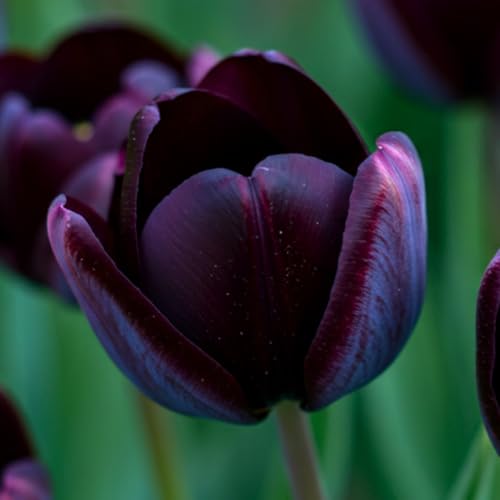
Queen of the Night Tulips are a sight to see. Stunning color makes for great cut flowers or just enjoy them in the garden or landscape.

Fresh, Healthy Tulip Bulbs to Grow. Top Size Bulbs

VIBRANT COLORS: Enjoy the stunning contrast of deep purple and crisp white on these superior-sized tulip bulbs. Enjoy blooms the first season and for many years to come from these bulbs.
Cut Flower Garden Rows

Dedicated cutting gardens need straight rows that maximize productivity and simplify harvesting.
You’ll want to plant tulips 4-6 inches apart in organized lines, and this spacing lets you walk between rows without damaging stems. Choose varieties with long, sturdy stems for better flower arrangement techniques.
Plant early, mid, and late-blooming varieties in separate rows, so you’ll enjoy seasonal cuttings from March through May. Cut tulips when buds show color but haven’t opened fully. They’ll last longer in vases this way.
Mark each row with variety names to track your favorites for next year’s planning.
Frequently Asked Questions
When Is the Best Time to Plant Tulip Bulbs?
You’ll want to plant tulip bulbs in fall, typically between September and November, depending on your planting zones. This timing allows various tulip varieties to establish roots before winter and bloom beautifully in spring.
How Deep Should Tulip Bulbs Be Planted?
You’ll need to plant tulip bulbs at a depth of 6-8 inches, measuring from the bottom of the bulb. This proper bulb depth secures strong roots and protects against frost. Following correct planting techniques assures stunning spring blooms.
Do Tulips Need Full Sun or Partial Shade?
Most tulip varieties thrive in full sun, needing at least six hours of direct sunlight daily for ideal blooms. However, you can incorporate partial shade into your garden layout, especially in warmer climates where afternoon shade prevents premature fading.
How Often Should I Water Tulips During Spring?
You’ll water tulips weekly during spring, checking soil moisture first. Proper tulip watering guarantees vibrant blooms, healthy growth, and lasting beauty. Smart spring care means adjusting frequency based on rainfall, temperature, and soil drainage conditions.
Will Tulips Come Back Every Year or Are They Annual?
Most tulip varieties are perennials that’ll return yearly, but some bloom weakens over time. You’ll get better results with proper bulb care, including leaving foliage intact after blooming and providing well-draining soil conditions.
Conclusion
You’ll have the most spectacular tulip garden on your entire block! These nineteen designs give you endless possibilities to create something truly beautiful. Your neighbors will practically stop in their tracks when they see your colorful displays. Pick one design or mix several together, and you’ll transform your yard into a breathtaking spring paradise. Start planning today, and watch your garden dreams become reality this season.


