


Your tomato plants look healthy from a distance, but their leaves are actually telling you a completely different story. Each yellow spot, purple tint, or wilted edge points to a specific problem that needs your attention right now. The good news is that you don’t need to be an expert to decode these signals. Once you learn what to look for, you’ll know exactly how to fix each issue before it ruins your harvest.
Key Takeaways
- Yellowing leaves signal nitrogen deficiency or natural aging; pale leaves with dark veins indicate iron or magnesium deficiency needing amendments.
- Purple leaf tints result from cold soil blocking phosphorus uptake; condition resolves naturally once soil temperatures exceed 55°F.
- Dark spots with yellow halos indicate Septoria or early blight fungi; remove infected leaves, mulch soil, and use drip irrigation.
- Fuzzy gray patches and rapid spreading indicate late blight; immediately remove and bag entire affected plants to prevent destruction.
- Stippling with webbing shows spider mites; shot holes indicate flea beetles; large bites and droppings reveal hornworm caterpillars feeding.
Yellow Lower Tomato Leaves: Nitrogen Deficiency or Aging
When your tomato plant’s lowest leaves begin to turn yellow, it’s usually telling you something simple. The plant might be low on nitrogen, or those older leaves are naturally aging after fruiting starts.
Look closely at the yellowing pattern. Nitrogen deficiency shows uniform pale color across the whole leaf blade, and your plant may look stunted with fewer fruits.
Before you add fertilizer, check if it’s just normal aging—lower leaves yellow and drop once tomatoes set. If nitrogen is the real problem, apply a balanced organic fertilizer and keep soil moisture steady. You’ll see greener leaves within a week.
Always test your soil first to confirm the cause and check that pH stays between 6 and 6.8 for best results. Consider growing tomatoes in metal raised beds to better control soil nutrients and drainage from the start.
Purple or Reddish Leaves: Cold Soil Blocks Phosphorus

Purple-tinted tomato leaves can startle you at first glance, but they’re usually a temporary problem tied to cold soil.
When soil temperature drops below 50–55°F, your tomato roots struggle to absorb phosphorus even if plenty exists in the ground.
The purple or reddish color appears on leaf undersides and stems, especially in seedlings and newly transplanted tomatoes during cool spring weather.
This isn’t a disease—it’s a physiological response to chilly conditions.
Once the soil warms and roots settle in, the purple fades within one to two weeks.
You can speed recovery by using row covers or black plastic mulch to raise soil temperature.
Wait until nighttime soil temperatures stay above 55°F before transplanting, and your tomatoes will avoid this colorful hiccup altogether.
A premium cold frame can protect your seedlings from temperature swings while gradually hardening them off before transplant time.
Pale Leaves With Green Veins: Iron or Magnesium Deficiency

Pale leaves with dark-green veins create a distinctive striped pattern that signals your tomato plant can’t access the nutrients it needs.
Iron deficiency appears on the newest growth at the top, and those young leaves show the telltale pale-green or yellowish tissue between dark veins.
Magnesium deficiency starts on older, lower leaves instead, often with browning along the edges.
Before you add supplements, test your soil pH. High pH above 7.0 locks up iron and other micronutrients, so lowering it solves the root cause.
Improve consistent watering and root health to boost nutrient uptake.
If pH is correct and symptoms persist, apply chelated iron for new-leaf yellowing or Epsom salt (magnesium sulfate) for lower-leaf issues, following package rates carefully.
A soil tester digital pro gives you accurate pH and nutrient readings so you can diagnose deficiencies with confidence before treating your plants.
Dark Spots With Yellow Halos: Septoria Leaf Spot

Small dark circles with bright yellow rings spreading up from the bottom leaves signal Septoria leaf spot, one of the most common fungal diseases you’ll see once your tomatoes start setting fruit.
The tiny gray spots hold dark specks in their centers, and they love warm, humid weather with lots of rain or overhead watering.
Stop septoria leaf spot from taking over:
- Remove infected lower leaves immediately and throw them in the trash, not your compost pile
- Add a thick layer of mulch around plants to prevent soil splash during watering
- Switch to drip irrigation or soaker hoses to keep foliage completely dry
- Space plants wider apart and stake them for better airflow through the canopy
- Rotate your tomatoes to different beds each year since the fungus survives in old plant debris
- Consider investing in a large compost tumbler to properly break down healthy plant material while keeping diseased debris separate
Brown Spots at Leaf Tips: Early Blight Fungus

When irregular brown spots appear on your lower tomato leaves and show distinctive rings like a target, you’re looking at early blight fungus.
These lesions develop concentric rings that resemble a bull’s-eye pattern, and they’ll expand quickly during warm, rainy weather. Yellow halos often surround the spots.
The disease starts low and climbs upward as leaves yellow and drop off.
Remove infected lower leaves immediately and dispose of them away from your garden. Switch to drip irrigation to keep foliage dry, and add mulch around plants to prevent soil splash.
Space plants wider apart for better airflow.
Early blight spores survive on old plant debris, so clean up thoroughly at season’s end and rotate your tomatoes to a different bed next year.
Consider installing a rainwater harvesting kit to provide a consistent water source for your drip irrigation system while reducing your water costs.
Small Yellow Speckling and Webbing: Spider Mites

Fungal diseases aren’t the only threat to your tomato foliage—spider mites can be just as damaging. These tiny pests create fine yellow or white stippling that spreads into bronzed patches, and they thrive in hot, dry weather.
Check the undersides of leaves for dusty residue and delicate webbing between veins.
Watch for these warning signs:
- Tiny moving dots visible with a hand lens
- Fine webbing stretching along stems and leaf undersides
- Lower leaves turning pale and dropping prematurely
- Dusty appearance on leaf undersides
- Rapid spread during heat waves
Spray leaf undersides with water to dislodge mites and boost humidity. Apply insecticidal soap every few days, and encourage predatory insects.
Avoid broad-spectrum pesticides that kill helpful bugs. For larger gardens, a garden sprayer battery can make regular treatments more efficient and less tiring on your arms.
Recommended Products
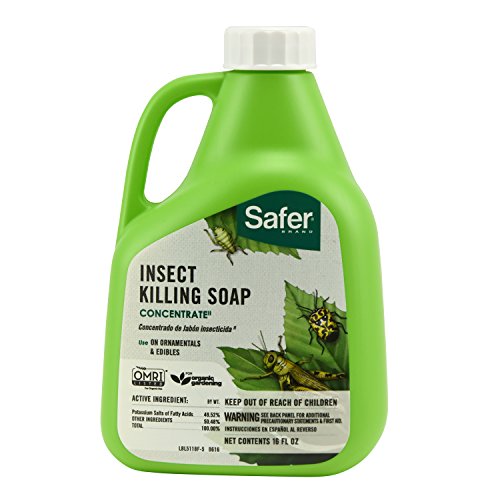
GENTLE ON MOST PLANTS - This aphid spray is ideal for use on flowers, herbs, vegetables, houseplants, lawn, tree, shrubs, and more

PEST DEFENSE - Insecticidal Super Soap controls species of adelgid, ant, aphid, borer, caterpillar, spider mite, cricket, chinch bug, weevil, fly, thrip, & more.

KILLS AND REPELS INSECTS - Knockdown common insects including spider mites, aphids, whiteflies, mealybugs, leafrollers, scale, thrips, cucumber beetle, carrot rust fly, earwig, tomato hornworm, Colorado potato beetle with a safe and effective all-purpose plant care solution.
Tiny Holes With Stippling: Flea Beetle Damage

Have you noticed dozens of tiny, pinhole-sized wounds scattered across your tomato leaves? Those perfectly round “shot holes” are the calling card of flea beetles. These small, dark, shiny insects jump away when you disturb the plant, so you’ll need to inspect carefully.
Flea beetles attack young transplants in spring, concentrating on new growth and lower leaves. Heavy feeding can stunt seedlings by reducing their photosynthetic capacity.
Check your plants weekly starting in late April. The best defense is prevention—cover transplants with fine mesh or row covers from planting until flowering, and these physical barriers exclude beetles completely. If damage is severe, remove heavily affected seedlings and replace them. Larger plants tolerate feeding better, so protecting vulnerable transplants during their first few weeks makes all the difference. For gardeners dealing with persistent pest pressure from larger wildlife, installing premium deer fencing around your vegetable garden provides long-term protection for all your crops.
Recommended Products

Defend Against Unwanted Visitors: Gardening is a rewarding and fulfilling endeavor, and you'll watch your plants grow from nothing to maturity before you finally harvest them. Once the plants begin to flower and bear fruit, these unwelcome visitors visit your garden and often leave a trail of destruction. Garden netting is the best choice for protecting your plants

Product Specification: 1 Piece Garden Netting.Our Netting for Garden Protection Has 3 Sizes: 4Ftx10Ft, 10Ftx20Ft, 10Ftx30Ft. Ultra Fine Plant Netting Mesh Hole 0.8mm x 1mm.

1. Fortify Your Garden Fortress: Say goodbye to pesky pests and unwanted critters! Our 4'x10' Plant Netting Pest Barrier acts as a sturdy shield, protecting your precious plants from insects, birds, and other garden invaders. It's like having a fortress around your garden beds, ensuring your plants thrive and flourish.
Irregular Chewed Holes: Hornworms and Caterpillars

While flea beetles leave tiny pinholes, much larger damage signals a different culprit. Tomato hornworms create big irregular holes and can strip entire branches overnight.
These 3–4 inch caterpillars have white diagonal stripes and a distinctive horn on their rear end. You’ll find them on upper stems and leaf axils during the day, and their large dark green droppings beneath chewed foliage give away their location.
What to watch for:
- Large semicircular bite marks on developing fruit that can ruin your harvest
- Entire leaf sections disappearing within days as caterpillars feed aggressively
- Big green caterpillars visible on stems that are surprisingly easy to miss
- White cocoons on hornworms indicating helpful parasitic wasps are working
- Rapid defoliation of young plants that threatens their survival
Hand-pick healthy hornworms immediately, but leave parasitized ones to support beneficial insects. For severely damaged branches that need removal, a heavy duty pruning saw makes clean cuts that help the plant recover quickly.
Recommended Products

VERSATILE CUTTING TOOL – Professional pruning saw for tree trimming, branch cutting, and wood cutting. This folding hand saw works as a reliable tree saw, limb saw, garden saw, and curved pruning saw, making it an ideal tree trimming saw for camping, bushcraft, woodworking, and outdoor garden work.
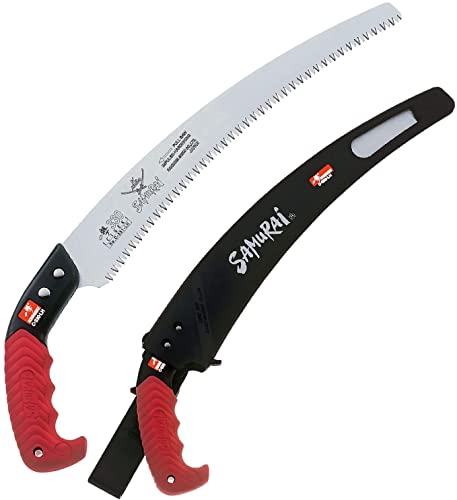
13 inch TRI CUT TEETH JAPANESE BLADE

KAKUGEN SAWS are Made in JAPAN🇯🇵 Elevate your cutting game with KAKUGEN SAWS – where precision meets tradition. Unleash the power of Japanese craftsmanship in every stroke. Order now and experience the difference!
Sticky Leaves With Curled Tips: Aphid Infestation

When sticky residue shows up on tomato leaves, you’re likely dealing with aphids. These tiny pests cluster on new growth and leaf undersides. They’re only 1–4 mm long and come in green, yellow, pink, or black.
Aphids feed by sucking plant juices, leaving behind honeydew—a shiny, sticky residue that attracts sooty mold and reduces photosynthesis. You’ll notice curled or distorted leaf tips where they’ve been feeding.
Check your plants weekly during warm weather since aphids reproduce quickly. Spray them off with water or remove them by hand. Lady beetles and lacewings will help control populations naturally. Act fast when colonies form on growing tips, because aphids can spread viruses. Catching them early prevents stunting, yellowing, and fruit quality problems. Monitoring environmental conditions with a digital humidity meter helps you track whether conditions favor pest development on your tomato plants.
Leaves Curling Upward: Heat Stress or Overwatering

If your tomato leaves are curling upward along the edges, you’re seeing a common response to heat or water stress. This leaf roll happens when temperatures climb above 85–90°F or soil moisture swings too high or too low. Check your soil to determine the cause. Dry, cracked earth means heat stress, while soggy conditions point to overwatering.
Fix leaf curl with these steps:
- Water consistently with drip irrigation to keep soil moisture even
- Spread 2–4 inches of mulch around plants to cool roots
- Provide afternoon shade cloth during heat waves
- Test drainage if leaves turning yellow appear with rolled foliage
- Monitor plants—most recover when conditions stabilize
Leaf roll rarely hurts yields if you act quickly and restore steady watering. Installing an automatic drip irrigation system eliminates the guesswork and delivers water on a consistent schedule, preventing the moisture swings that trigger leaf curl.
Leaves Curling Downward: Physiological Leaf Roll

Upward-curling edges signal heat or water trouble, but downward-cupped leaves tell a different story.
Physiological leaf roll makes healthy green leaves curl inward or roll under without any spots or yellowing. Your plant is reacting to stress like drought followed by heavy watering, root damage from digging too close, or severe pruning during hot weather. The leaves thicken slightly and stay green, which proves it’s not a virus or disease. This curling is temporary and rarely hurts your harvest.
Focus on steady watering with mulch to keep soil moisture even, and avoid disturbing roots when you weed. Skip aggressive pruning once plants are established. New growth will flatten out as conditions improve, so monitor your plant without panicking.
Twisted New Growth: Herbicide Drift Damage

Though your tomato plant survived cold snaps and pests, twisted new growth appearing overnight signals a different threat. Herbicide drift damage causes strappy, cupped leaves even when neighbors spray yards away. Those growth-regulating herbicides, like 2,4-D, twist new shoots into unrecognizable shapes within days.
What herbicide damage looks like:
- New leaves curl into narrow ribbons while older foliage stays perfectly healthy
- Terminal shoots hook downward as if someone wrung them like a towel
- Flowers drop before setting fruit when drift exposure is heavy
- Only downwind plants show symptoms while upwind neighbors thrive
- No bugs, spots, or fungus appear—just bizarre distortion overnight
You can’t reverse herbicide drift effects, but stop the source if possible. Remove twisted growth if you want. Your plant will produce normal leaves once drift stops, so don’t give up yet.
Mottled Yellow-Green Pattern: Tomato Mosaic Virus

Why does your tomato plant suddenly display puzzle-piece patches of light and dark green? You’re likely seeing tobacco mosaic virus (TMV), a highly contagious pathogen that creates distinctive mottled patterns on leaves.
The leaves often curl, pucker, or develop a rough texture, and new growth continues showing symptoms. Unfortunately, there’s no cure for mosaic virus.
You must remove and destroy infected plants immediately—don’t compost them. TMV spreads through hands, tools, and even tobacco products, so wash your hands thoroughly and disinfect pruners between plants.
Prevention is your best defense. Choose varieties resistant to fusarium wilt and mosaic diseases when possible.
Avoid touching plants after handling tobacco. Sanitize stakes and cages before reusing them. Clean practices protect your entire garden from this persistent virus.
Water-Soaked Spots Turning Brown: Bacterial Leaf Disease

Small water-soaked spots appear on your tomato leaves after a heavy rain. These soggy lesions signal bacterial disease, and they’ll quickly turn dark brown or black. You’ll notice yellow halos forming around each spot, particularly with bacterial spot. The water-soaked lesions start small but merge into larger dead patches.
Lower leaves yellow and drop off first, then the problem climbs upward.
Stop overhead watering immediately—splashing spreads bacteria between plants. Remove affected leaves and throw them in the trash, not your compost pile. Don’t touch wet foliage or you’ll carry bacteria on your hands and tools.
- Your tomatoes lose precious leaves, weakening their ability to produce fruit
- Each rainstorm brings the sinking feeling that more spots will appear
- Watching lower leaves yellow and fall feels discouraging after months of care
- The dark spots spread faster than you can keep up with removal
- Healthy green foliage turns into a patchwork of dying tissue
Tomato Leaves Wilting on One Side: Fusarium Wilt

Bacterial spots attack quickly, but fusarium wilt sneaks in slowly and stays for years.
You’ll notice one-sided yellowing on lower leaves first, and the discoloration climbs upward over weeks. Individual branches wilt while others stay green, creating an odd lopsided look.
Scrape the stem near the soil—brown streaks inside confirm fusarium wilt.
This soilborne fungus lives in your beds for years, so you can’t plant tomatoes there safely. Pull infected plants immediately and throw them in the trash, not your compost.
Choose varieties marked with fusarium resistance for future plantings, and rotate your tomato spots every season.
Keep soil moisture steady and fertility balanced, because stressed plants show worse symptoms. Prevention beats treatment every time with this persistent disease.
Sudden Wilting Despite Moist Soil: Bacterial Wilt

When your tomato plant collapses overnight despite soil that’s perfectly moist, bacterial wilt is likely attacking from the inside. This disease blocks water flow through your plant’s veins, causing sudden drooping even when roots sit in damp earth. Cut a wilted stem and squeeze it gently—if you see milky ooze streaming out, bacterial wilt has taken hold.
The progression of bacterial wilt reveals itself through:
- Entire plants collapsing rapidly over just a few days
- Leaves remaining wilted even during cool morning hours
- Brown streaks appearing inside stems when you scrape the surface
- No recovery overnight, unlike normal water stress
- Healthy-looking plants turning completely limp within a week
Remove infected plants immediately and throw them away—never compost them.
The bacteria survive in soil for years, so rotate your tomatoes to fresh ground.
Fuzzy Gray Growth on Leaves: Late Blight Emergency

If you spot fuzzy gray patches on your tomato leaves, you’re facing late blight—one of the fastest and most destructive tomato diseases.
This fungus-like pathogen creates dark, water-soaked spots that expand rapidly, and the fuzzy white-gray coating you see is the pathogen sporulating and releasing spores.
Late blight can destroy entire plants within days under cool, wet conditions. Remove affected plants immediately and bag them for disposal—never compost them.
The spores spread easily through wind and rain to nearby tomatoes and potatoes, so act fast. Contact your local extension office right away for regional guidance and outbreak alerts.
Avoid touching wet plants to prevent further spread, and consider applying fungicides to nearby healthy plants if recommended by experts.
Frequently Asked Questions
Can Tomato Plants Recover After Severely Damaged Leaves Are Removed?
Your tomato plants are incredibly resilient survivors that’ll bounce back like champions after you’ve removed severely damaged leaves. They’ll redirect energy to new growth, but you’ll need to maintain even watering, proper nutrients, and vigilant pest control.
How Often Should Soil pH Be Tested in Tomato Gardens?
Test your tomato garden’s soil pH once per year, ideally in early spring before planting. If you’ve previously corrected significant imbalances or encountered persistent problems, retest mid-season to confirm your adjustments are working effectively.
What Mulch Materials Work Best for Maintaining Even Tomato Soil Moisture?
Use organic materials like straw, shredded leaves, or grass clippings for tomato mulch. They’ll retain moisture effectively while decomposing to enrich your soil. Apply a 2–3 inch layer around plants, keeping it away from stems.
Should I Prune Healthy Leaves to Improve Air Circulation Around Plants?
You shouldn’t prune healthy leaves just for airflow. Instead, remove only lower leaves touching soil and any diseased foliage. Good spacing at planting, proper watering practices, and mulching naturally improve circulation without sacrificing photosynthesis.
Can I Save and Replant Seeds From Disease-Resistant Tomato Varieties?
You can save seeds from disease-resistant varieties, but hybrid tomatoes won’t grow true to type. If you’re growing open-pollinated or heirloom resistant varieties, they’ll reliably pass traits to seedlings you replant.
Conclusion
You’ve learned to read seventeen leaf problems on your tomatoes. Each symptom tells you something specific, and now you hold that knowledge. The next time you spot yellowing, spots, or wilting, you’ll know exactly what’s happening. More importantly, you’ll know what to do about it. Your tomato plants can’t speak, but their leaves reveal everything. Watch them closely, act quickly, and you’ll harvest abundantly this season.


