


Studies show that small gardens under 100 square feet can display just as many flower varieties as larger plots when you use smart layering techniques. You don’t need sprawling yards to create stunning floral displays. The secret lies in choosing the right plants and arranging them strategically. Whether you’re working with a tiny balcony, a narrow side yard, or just a few containers, these nineteen proven approaches will transform your limited space into a vibrant, color-packed retreat.
Key Takeaways
- Use vertical planters with trailing nasturtiums and climbing sweet peas to maximize color while saving floor space in small gardens.
- Stack tiered containers with sun-loving petunias on top and shade-tolerant impatiens below for multi-level color displays.
- Plant compact dwarf zinnias and sunflowers in window boxes; they bloom continuously and require minimal space and care.
- Hang calibrachoa baskets with six plants each for cascading color displays in vibrant reds, purples, yellows, and whites.
- Combine marigolds as companion plants with colorful begonias in shaded areas to maximize both beauty and pest protection.
Vertical Wall Planters With Trailing Nasturtiums

Vertical wall planters transform bare walls into living gardens bursting with color.
You’ll want to choose trailing varieties of nasturtiums since they cascade beautifully down your vertical surface. Mount your planters at eye level for easy watering and maintenance. Nasturtiums thrive in poor soil, so you won’t need expensive fertilizers or amendments.
Their vibrant orange, yellow, and red blooms create stunning wall aesthetics throughout summer. Space planters twelve inches apart to allow proper growth and coverage. You can arrange them in staggered patterns for visual interest, and they’ll reward you with continuous blooms until frost arrives. A vertical garden tower offers an excellent alternative for maximizing growing space in even the most compact areas.
Recommended Products

Space-Saving Solution: Maximize your outdoor space with our sunvara 64 Pocket succulent wall planters, planter wall, vertical farm. Transform any bare wall into a lush vertical garden, ideal for small balconies, patios, or urban gardens.

INNOVATIVE SELF - WATERING DESIGN: This Self - Watering Vertical Wall Planter features an innovative design that revolutionizes gardening. The self - watering system is a game - changer, ensuring your plants receive a consistent supply of water. It consists of a reservoir at the bottom of each panel, which slowly releases water to the roots through a wicking mechanism. This not only saves you time from daily watering but also prevents over - or under - watering, which are common issues in traditional gardening. Whether you're at work, on vacation, or simply forgetful, your herbs, flowers, and vegetables will thrive with this automated watering solution.

【Automatic Watering System】: This vertical garden planter has an automatic watering pot that will automatically water the plants every few days, saving you the hassle of daily watering and saving time. Also a thoughtful gift for busy people or working moms.
Tiered Container Gardens for Multi-Level Blooms

Tiered container gardens maximize your growing space by stacking pots at different heights.
You’ll create visual interest while fitting more flowers into compact areas. Start with your tallest pot on the bottom tier, and place medium-sized containers on steps or plant stands above it.
This layered planting approach lets you showcase different bloom colors at eye level. Try color coordination by grouping warm tones together or creating gradual shifts from light to dark shades.
Place sun-loving petunias on top tiers, and position shade-tolerant impatiens below. You can rearrange pots easily to refresh your display throughout the growing season.
For a more permanent solution, consider constructing cedar raised garden kits that provide structured tiered levels for optimal plant growth and visual appeal.
Recommended Products

SAVE FLOOR SPACE - Stackable vertical planter tower
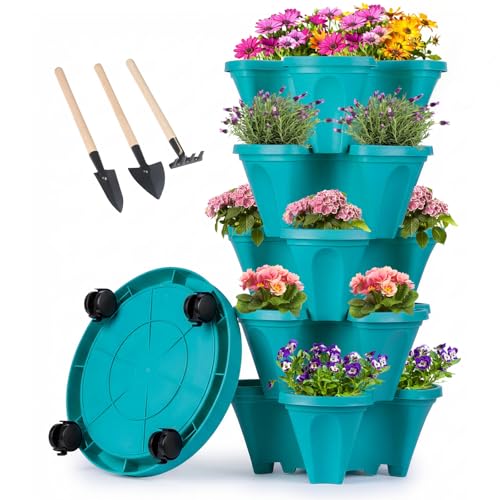
SAVE FLOOR SPACE - Stackable vertical planter tower

3 Sizes of Plant Stands: Height of each tier 23.25"/16"/8.75"inches, Length and width of 27.25 "x10" inches,Each tier can hold 4-6 medium sized potted plants, Ideal for bookshelf, display shelf, shelves, decorative shelf, etc
Compact Dwarf Zinnias in Window Boxes

Dwarf zinnias bring vibrant color to window boxes without overwhelming your limited space. These compact flowers grow just 6-12 inches tall.
They’re perfect for beginners since dwarf zinnia care requires minimal effort. Plant them 6 inches apart in well-draining soil, and they’ll bloom continuously from summer through fall.
You’ll want to water them when the soil feels dry to the touch. Window box arrangements look stunning when you combine different zinnia colors like orange, pink, and yellow.
Deadhead spent blooms weekly to encourage more flowers. These cheerful plants thrive in full sun and tolerate heat exceptionally well.
For maintaining your garden beds and containers, consider using forged steel garden forks to turn soil and refresh planting areas between seasons.
Recommended Products
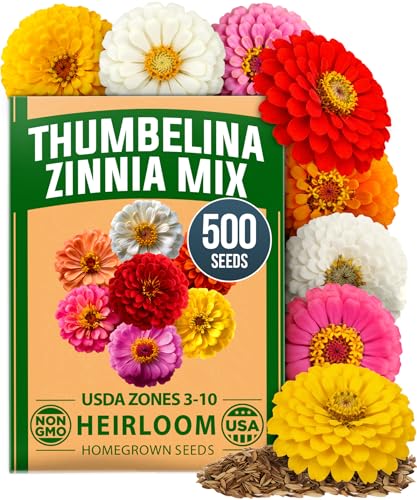
SUPER EASY START FOR BEGINNERS – These thumbelina zinnia seeds are easy to grow and ideal zinnia seeds for planting in containers, borders, and patios. This generous pack includes 500 seeds, giving gardeners plenty to plant vibrant dwarf flowers that bloom quickly and brighten small garden spaces.

flower seeds bee pollunator butterfly
flower seeds bee pollunator butterfly
Hanging Baskets Overflowing With Calibrachoa

Calibrachoa transforms ordinary hanging baskets into cascading fountains of color throughout the growing season.
You’ll love how these petite petunia relatives spill over container edges, creating dramatic displays that bloom continuously from spring until frost arrives. Each basket needs about six plants for maximum impact.
Space them evenly around the container’s edge, and they’ll fill in quickly to create dense, colorful coverage.
Calibrachoa color ranges from vibrant reds and purples to soft yellows and whites, so you can match any garden theme.
Hanging basket care requires daily watering during hot weather, and weekly feeding keeps those blooms coming strong. For gardeners with limited space, consider supplementing traditional hanging baskets with an indoor hydroponic garden to extend your growing season year-round.
Border-Hugging Alyssum for Edge Definition

While cascading flowers work beautifully in hanging baskets overhead, low-growing blooms create equally stunning effects along your garden’s edges.
Alyssum serves as one of the best flowering groundcovers for tight spaces. You’ll love how it hugs borders perfectly. These tiny white, pink, or purple flowers create excellent edge definition along pathways and garden beds.
Plant alyssum just four to six inches apart for solid coverage. It grows only three to six inches tall, so it won’t block taller plants behind it. The honey-scented blooms attract beneficial pollinators throughout summer, and they’ll reseed themselves for next year’s display.
For a more structured look, consider pairing alyssum with large outdoor planters positioned strategically throughout your garden design.
Climbing Clematis on Narrow Trellises

When vertical space is all you have, clematis transforms narrow trellises into spectacular flowering walls.
You’ll need a trellis design that’s only six inches deep. Mount it against fences or walls to save ground space. Choose compact clematis varieties like ‘Jackmanii’ for purple blooms or ‘Henryi’ for white flowers.
These plants climb upward rather than outward, and they’ll cover your trellis in vibrant color. Plant them in spring with roots shaded by mulch. Water regularly during the first season, and you’ll enjoy stunning vertical displays that don’t consume precious garden square footage. For other outdoor elements, consider pairing your flowering walls with weatherproof outdoor speakers to create an entertainment-ready garden space.
Potted Miniature Roses for Classic Romance

Miniature roses bring timeless elegance to small gardens without demanding much space.
You’ll find potted roses thrive in containers as small as 12 inches wide, and they bloom repeatedly from spring through fall.
Choose romantic colors like soft pink, cream, or deep red to create an inviting atmosphere on patios, balconies, or walkways.
Place them where you’ll enjoy their subtle fragrance daily.
Water when the top inch of soil feels dry.
Feed them monthly with balanced fertilizer to keep blooms coming.
Deadhead spent flowers regularly to encourage new buds, and you’ll maintain continuous color throughout the growing season.
Consider using stone resin planters to enhance the durability and aesthetic appeal of your miniature rose display in any outdoor setting.
Stacked Strawberry Planters Filled With Pansies

Stacked strawberry planters transform vertical space into a cascading display of cheerful pansies.
You’ll repurpose planters designed for strawberry varieties to create colorful flower towers. Fill each pocket with soil, and plant pansies around the entire structure.
The multi-level design maximizes your growing area without consuming precious ground space. Plant care becomes simple since you can rotate the planter for even sun exposure.
Water from the top, and it’ll gradually flow through lower pockets. Choose pansies in complementary colors for striking visual impact, and deadhead spent blooms weekly to encourage continuous flowering throughout the growing season. Consider adding metal garden art accents throughout your planter display to enhance the visual appeal of your outdoor space.
Sky-High Sweet Peas on Vertical Supports

Sweet peas climb upward with remarkable enthusiasm when you provide them with proper vertical supports.
You’ll find sweet pea varieties like ‘Cupani’ and ‘Matucana’ perfect for small gardens. Install bamboo stakes, string trellises, or wire obelisks for best results. These vertical gardening techniques save precious ground space while creating living walls of fragrance and color.
Plant seeds six inches apart at the support’s base. The vines reach heights of six to eight feet throughout the growing season.
Pinch young plants to encourage bushier growth and more blooms. You’ll enjoy continuous flowers from spring through early summer with regular deadheading.
For faster germination and stronger seedlings, consider using automatic seed starters to begin your sweet pea seeds indoors before transplanting them to your vertical supports.
Rainbow Portulaca for Sun-Drenched Corners

When those scorching sunny spots in your garden seem impossible to fill, portulaca thrives where other flowers wilt. These low-growing beauties spread quickly across bare soil, and their fleshy leaves store water for impressive drought tolerance.
You’ll find sunshine colors ranging from hot pink to orange, yellow, and white. Plant them in containers or directly in problem areas with poor soil. They’ll bloom continuously from late spring through early fall, opening their petals wide each sunny morning.
Water sparingly once established, as too much moisture causes root rot. These cheerful ground-huggers transform neglected corners into vibrant displays. For larger garden areas with multiple plantings, consider installing automatic drip irrigation to efficiently water your portulaca and other drought-tolerant plants while minimizing water waste.
Begonias in Shaded Nook Containers

While portulaca conquers your sunniest spots, begonias work their magic in the shadows.
You’ll find dozens of begonia varieties perfect for those dim corners where other flowers struggle. Tuberous begonias produce large, rose-like blooms in reds, pinks, and yellows. Wax begonias offer smaller flowers but bloom continuously throughout summer. Rex begonias feature stunning foliage with silver, purple, and green patterns.
Your container arrangements need well-draining soil since begonias dislike wet roots. Place three to five plants per twelve-inch pot for fullness. Water when the top inch feels dry, and pinch spent blooms weekly. Consider installing a garden solar pump system nearby to automate watering and ensure consistent moisture levels for your shaded container gardens.
Pocket Planters With Cascading Lobelia

Cascading lobelia transforms vertical spaces into waterfalls of delicate blue, purple, or white flowers.
You’ll love how these trailing blooms spill gracefully from wall-mounted pocket planter designs, and they thrive in those tricky spots that get morning sun.
Plant them six inches apart for full coverage.
Lobelia care stays simple when you water daily during hot weather, as these plants dislike drying out completely.
Pinch back stems in midsummer to encourage fresh blooms.
The compact roots fit perfectly in shallow pockets, so you can stack multiple planters vertically.
These outdoor vertical planters are ideal for creating stunning displays that elevate your garden design.
Deadheading isn’t necessary, which saves you valuable gardening time.
Dwarf Sunflowers for Compact Cheerfulness

Dwarf sunflowers pack all the sunny charm of their towering cousins into petite plants that rarely exceed three feet tall.
You’ll find dwarf sunflower varieties like ‘Teddy Bear’ and ‘Sundance Kid’ perfect for containers and borders. They brighten tight corners without overwhelming nearby plants.
Plant them in full sun for best results, and they’ll reward you with cheerful blooms. Basic sunflower care includes weekly watering and well-draining soil. Consider using a smart watering system to maintain consistent moisture levels for optimal growth.
Deadhead spent flowers to encourage more blooms throughout summer. These compact beauties attract pollinators to your small garden, and their golden faces follow the sun just like traditional sunflowers do.
Railing-Mounted Boxes Bursting With Geraniums

Railing-mounted boxes transform vertical spaces into colorful displays without using precious ground area.
You’ll maximize your balcony or porch edges with cascading blooms that catch every eye. Geraniums thrive in these elevated containers because they tolerate wind and heat remarkably well.
Basic geranium care includes weekly watering and monthly fertilizing for continuous flowers. You can create stunning color combinations by mixing red geraniums with white petunias or pairing pink varieties with trailing ivy.
Install sturdy brackets that support your boxes securely, and guarantee proper drainage holes prevent waterlogging. Your railings become living artwork with minimal effort. Consider pairing your railing boxes with decorative garden fencing to create a cohesive outdoor garden design.
Upright Salvia in Slim Column Planters

When space is tight, slim column planters offer vertical impact without sprawling width.
Upright salvia grows perfectly in these narrow containers, and its tall flower spikes reach skyward without demanding much ground area. You’ll get brilliant blue, purple, or red blooms that attract hummingbirds throughout summer.
Slim planters work especially well along fence lines or beside doorways where you can’t afford width. Choose varieties like ‘May Night’ or ‘Victoria Blue’ for reliable height.
Water regularly since narrow containers dry out faster than wide ones, and you’ll enjoy continuous color that doesn’t consume precious square footage in your small garden. For larger watering needs and storage solutions, consider adding a garden utility sink to your outdoor space.
Marigolds as Space-Saving Companion Plants

Marigolds solve two problems at once in compact gardens. They’re excellent flowers that save space while helping neighboring plants thrive.
You’ll appreciate the marigold benefits when you tuck them between vegetables or roses, and they’ll naturally deter harmful pests with their distinctive scent. Companion planting with marigolds means you’re protecting your garden without using chemicals or extra square footage.
These cheerful blooms grow well in tight spots along borders. Plant them just six inches apart for a protective barrier. Their golden and orange flowers add vibrant color while working hard to keep aphids and beetles away from your other plants.
Staggered Pots of Colorful Impatiens

Vertical arrangements of impatiens create stunning displays in surprisingly small areas.
You’ll maximize your space by mounting pots at different heights on walls or fences. Start with three to five containers in graduated sizes. Place darker impatiens color combinations at the bottom and lighter shades near the top, and this technique draws the eye upward.
Staggered pot arrangements work beautifully on narrow balconies or tight corners. Mix pink, white, and coral varieties for visual interest.
Water daily since elevated containers dry out faster than ground-level plantings. These shade-loving flowers thrive where many other blooms struggle to grow.
Ladder Shelf Gardens With Mixed Petunias

Ladder shelf gardens transform forgotten corners into productive growing spaces for petunias.
The ladder design creates vertical interest while maximizing your limited floor space. You’ll want to select mixed colors like purple, pink, white, and red for visual impact.
Place trailing varieties on higher shelves so they cascade downward beautifully. Upright petunias work best on lower levels where you can enjoy their blooms up close.
Position your ladder against a sunny wall, and water upper pots more frequently since heat rises. This arrangement lets you grow dozens of plants in just two square feet of ground space.
Corner-Maximizing Trellis With Morning Glories

When you’re dealing with tight corner spaces, a trellis design specifically for that angle will support vigorous morning glory vines perfectly.
Install a V-shaped wooden frame that fits snugly into your corner area. Morning glories climb enthusiastically, so they’ll cover the structure within weeks.
Plant seeds six inches apart at the trellis base in spring. Morning glory care requires full sun and moderate watering once established.
These blooms open each morning and close by afternoon, creating a daily show. You’ll maximize vertical space while transforming an overlooked corner into a vibrant focal point.
Frequently Asked Questions
How Often Should I Water Flowers in Small Containers?
You’ll need to water small containers daily during hot weather, sometimes twice daily. Check the soil moisture regularly since container drainage affects water frequency. Stick your finger in—if it’s dry an inch down, it’s time to water.
What Soil Mix Works Best for Container Gardens?
You’ll want quality potting soil mixed with perlite or vermiculite for aeration. Add drainage layers like gravel at the bottom, and you’ll guarantee your container flowers get proper moisture without waterlogging their roots.
How Do I Prevent Pests in Small Garden Spaces?
You’ll prevent pests by using companion planting strategies—pairing marigolds with vegetables repels aphids. Attract natural predators like ladybugs and lacewings with flowering herbs. Keep plants healthy through proper spacing to reduce disease and pest pressure.
Can I Grow Flowers Year-Round in Limited Spaces?
Yes, you can grow flowers year-round in limited spaces by combining perennial flowers with seasonal blooms. You’ll rotate containers strategically, choosing cold-hardy varieties for winter and heat-tolerant options for summer to maintain continuous color.
How Do I Fertilize Flowers in Containers Properly?
Think of fertilizer as food for your container garden. You’ll replenish container nutrients every two weeks using water-soluble fertilizer types, or mix slow-release granules into soil when planting for season-long feeding.
Conclusion
You’ve got nine proven strategies to transform your compact garden. Small spaces can pack incredible visual punch when you plan thoughtfully. Studies show container gardens can produce up to 20 different flower varieties in just 100 square feet, and you can achieve similar results. Start with two or three techniques that match your space and growing conditions. Your colorful garden retreat is closer than you think, so grab those pots and get planting today.


