


You’ll achieve fast spring composting by following three essential steps: First, shred all materials with a chipper or mower to maximize surface area for microbial activity. Second, build a minimum 3-foot cube using abundant spring ingredients like decaying foliage and kitchen scraps. Third, construct your entire pile in one session, alternating 3-4 inch layers of carbon-rich browns and nitrogen-rich greens while keeping everything damp. Master these techniques to transform months of waiting into weeks of efficient decomposition.
Key Takeaways
- Shred all materials before composting to increase surface area and accelerate decomposition from years to months.
- Build a pile at least 3 feet in all dimensions to generate sufficient heat for rapid breakdown.
- Layer browns and greens in 3-4 inch alternating sections, watering each layer until damp for optimal microbial activity.
- Construct the entire pile in one session to maximize heat retention and trigger rapid temperature spikes.
- Top with a browns layer and maintain consistent moisture to prevent dry pockets that slow decomposition.
Shred All Of The Ingredients
When it comes to building a high-quality compost pile, shredding your materials isn’t optional—it’s essential. Whole ingredients decompose slowly, taking years instead of months. Smaller pieces accelerate breakdown by dramatically increasing surface area for microbial activity.
Different material types require specific shredding techniques: use a chipper/shredder for woody prunings, a mower for leaves and soft garden waste, and manual cutting for kitchen scraps. The difference is remarkable—a whole pumpkin might sit intact for months, while chopped pieces decompose within days.
This simple step transforms your spring composting from a sluggish process into an efficient decomposition system. A large compost tumbler can further streamline this process by providing an enclosed, rotating environment that continuously mixes and aerates your shredded materials.
Recommended Products

Smooth Feeding: Driven by a 15A motor running at 4000RPM with high-temperature-resistant copper windings, this wood chipper delivers strong, steady pulling power that draws branches into the blades with minimal effort on your part. The dual-chute hopper lets you feed branches through separate openings based on their size, minimizing jams and kickback.

【15-Amp POWERFUL MOTOR】Powered by a professional-grade motor delivering up to 4500 RPM, the EWORK EK-DT8401 maintains continuous, powerful cutting torque under heavy loads. Engineered to significantly reduce the risk of overheating and jamming, it easily processes tough branches and yard waste—saving you time and making it the ideal choice for homeowners and gardening enthusiasts tackling yard cleanup

Efficient Shredding for Spring Cleanup: Powerful 15-Amp electric chipper shredder engineered with quiet operation effectively chips and shreds branches up to 1.7 inches thick.
Create The Perfect Size Spring Compost Pile With The Perfect Ingredients

Once you’ve shredded your materials, the next step is building a pile with the right dimensions and ingredient mix.
The ideal compost dimensions are at least 3 feet wide, tall, and deep. This size generates sufficient heat for rapid decomposition while remaining manageable for turning.
A minimum 3-foot cube creates optimal heat for fast breakdown while staying easy to manage and turn regularly.
Spring provides abundant compost pile ingredients: decaying foliage from flowerbeds, prunings, kitchen scraps, coffee grounds, and animal bedding.
These materials create the carbon-nitrogen balance necessary for microbial activity. A properly sized pile with diverse ingredients will heat effectively, decompose quickly, and produce finished compost by mid-summer for your garden.
For those seeking faster results, electric composters can significantly accelerate the decomposition process and reduce processing time.
Recommended Products

♻️Food composters transform food scraps and kitchen waste into powder by drying it out and grinding it up. You can use this powder as fertilizer for your plants or throw it away to reduce the volume and odor of your trash.

Twin chambers: Two separate chambers allow one side to finish composting while leaving the other side available to add fresh wastes; Constant alternation of the two sides will create an uninterrupted stream of nutritious compost

Fast, Effortless Composting: This outdoor compost bin features a 360° rotating design with built-in mixing bars—just spin the drum for thorough mixing, no manual turning needed. Adjustable air vents let you control airflow, moisture, and temperature to reduce odors and accelerate decomposition, making this compost bin both efficient and low-maintenance.
Build Your Pile All At Once For Maximum Heat And Faster Decomposition

Building your entire compost pile in a single session triggers intense microbial activity that dramatically accelerates decomposition. You’ll maximize heat retention when you layer all materials at once, creating ideal conditions for beneficial bacteria. The benefits of layering become apparent within days as temperatures spike. For those with limited outdoor space, electric indoor compost bins offer a convenient alternative that maintains optimal decomposition conditions year-round.
| Layer Type | Materials |
|---|---|
| Browns (Carbon) | Shredded leaves, cardboard |
| Greens (Nitrogen) | Kitchen scraps, grass clippings |
| Moisture Management | Water each layer until damp |
| Thickness | 3-4 inches per layer |
| Final Step | Top with browns layer |
This method guarantees consistent moisture management throughout your pile, eliminating dry pockets that slow decomposition.
Recommended Products
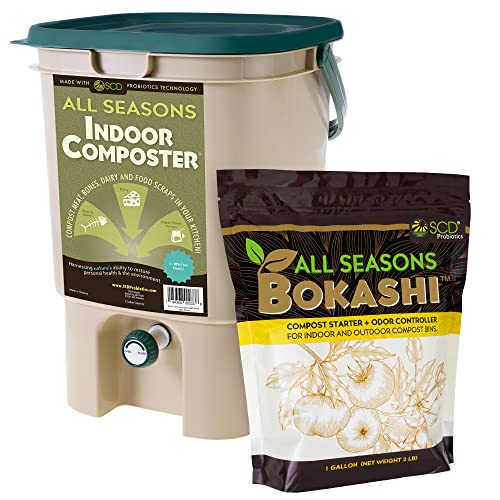
SCD PROBIOTICS INDOOR COMPOSTER STARTER KIT - Compost right in your kitchen with this ready-to-use kit. 5-gallon countertop compost bin with strainer & spigot. 2 lbs. (1 gallon) of compost starter included.

Bokashi Fermentation Principle: Our bokashi compost bin is designed based on the Bokashi fermentation principle. Our Bokashi bucket set are fully equipped, including 500g Bokashi bran, a small kitchen pail, as well as one presser, one bran shovel and one measuring cup, allowing you to easily handle various compost activities.
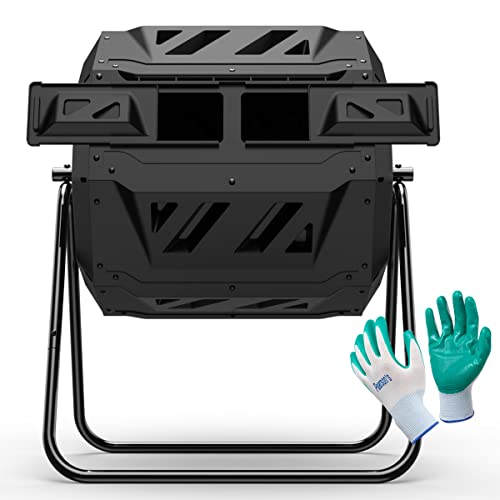
✅Speed Up Composing Process: More advanced models use rotating to bring oxygen to the center of the bin and paddles inside the chamber to help mix and aerate the composting materials when turned. These improvements or modifications are designed for one reason: to speed the composting process.
Frequently Asked Questions
How Often Should I Turn My Spring Compost Pile?
Turn your spring compost pile every 3-5 days for ideal results. This turning frequency benefits decomposition by introducing oxygen and redistributing heat. Following these compost maintenance tips, you’ll accelerate breakdown and produce finished compost faster.
What Is the Ideal Carbon to Nitrogen Ratio for Composting?
The ideal carbon to nitrogen ratio for composting is approximately 30:1. You’ll want to mix carbon sources like dried leaves and wood chips with nitrogen sources such as grass clippings and kitchen scraps.
Can I Add Citrus Peels and Onions to My Compost Pile?
Yes, you can add both to your compost pile. Citrus benefits include antimicrobial properties that control odors, while onion effects help deter pests. Just shred them first for faster decomposition.
How Do I Know When My Compost Is Ready to Use?
You’ll know your compost is ready through visual indicators: it’s dark, crumbly, and earthy-smelling. Simple compost testing methods include checking that original materials are unrecognizable and the pile’s stopped heating markedly.
Should I Add Water to My Compost Pile During Dry Weather?
Yes, you should add water to maintain proper compost moisture during dry conditions. A well-hydrated pile decomposes efficiently, so keep materials as damp as a wrung-out sponge for ideal microbial activity.
Conclusion
Your spring compost pile won’t build itself, but with these three strategies, you’ve got the blueprint for success. Shred everything, construct a three-foot cube with balanced ingredients, and build it all at once—this trifecta creates the thermal engine that’ll transform waste into black gold by summer. The science is straightforward: proper particle size, critical mass, and simultaneous construction generate the heat necessary for rapid decomposition. Now get out there and put these principles into action.


