


You love your houseplants, but some could seriously harm your cat. True lilies can cause kidney failure in just two days, and popular varieties like pothos trigger painful mouth swelling within minutes of a single bite. The good news is you don’t have to choose between greenery and your pet’s safety. You can swap toxic plants for beautiful, cat-friendly alternatives that look just as stunning. Let’s identify the dangerous ones lurking in your home right now.
10 Popular Houseplants Toxic to Cats (And Safe Swaps)

When you bring houseplants indoors, you mightn’t realize some pose serious dangers to your cat. Lilies top the list of plants toxic to cats, and even tiny amounts cause kidney failure.
Peace lilies, pothos, and philodendrons contain calcium oxalate crystals that burn your cat’s mouth immediately. The sago palm is especially deadly since its seeds destroy the liver.
Instead, choose houseplants safe for cats like spider plants, Peperomia varieties, and Calathea species. These green alternatives let you care for both your indoor garden and your feline friend without worry or risk. Just as you’d invest in a squirrel-proof bird feeder to protect outdoor wildlife, selecting non-toxic plants safeguards your cat from household hazards.
Recommended Products
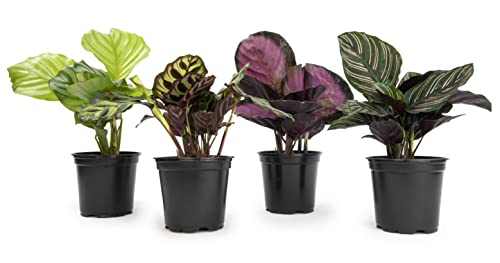
PET SAFE CALATHEA: Includes a rotating assortment of 4 greenhouse-grown Calathea in 4.25" nursery pots, Approx. 9" Tall

EASY CARE: Spider plant thrives in indirect light and adapts well to most indoor environments, perfect for both beginners and experienced plant parents

Live Spider Plant in a 6-inch pot, featuring long, arching green leaves with creamy white stripes that add brightness and movement to any indoor space
Why Lilies Can Kill Your Cat Within 48 Hours

True lilies pose an extreme threat to your cat’s life, and understanding the danger can save your pet.
Even tiny amounts cause acute kidney failure.
Pollen on fur becomes toxic when your cat licks during grooming, so exposure happens easily.
Symptoms start within hours—vomiting, drooling, and lethargy appear first.
Protect your cat by knowing these critical facts:
- Petals, leaves, and vase water all contain deadly toxins
- Kidney damage develops within 48–72 hours without treatment
- No antidote exists for lily poisoning
- Immediate IV fluid therapy offers the best chance for recovery
Remove all true lilies from your home completely.
After clearing toxic plants, consider redirecting your gardening efforts toward safe outdoor projects like using a large compost tumbler to create nutrient-rich soil for cat-friendly gardens.
Pothos and Philodendron: Why These Trendy Plants Poison Cats

While lilies represent the most dangerous houseplant threat to cats, pothos and philodendron plants deserve serious attention too.
Both contain calcium oxalate crystals called raphides that immediately irritate your cat’s mouth and throat. Even a small nibble causes drooling, pawing, and vomiting within minutes.
These sharp crystals embed in mucous membranes and trigger painful swelling. In severe cases, breathing becomes difficult and requires emergency care.
You can protect your cats by choosing hanging planters or high shelves, and you should offer safe alternatives like spider plants instead. Consider using outdoor vertical planters to keep toxic plants completely separate from areas where your cats roam. Prevention keeps your feline friends comfortable and healthy.
Snake Plants, Aloe Vera, and Other Deceptive Toxins

Some houseplants fool you with their hardy, harmless appearance. Snake plant and aloe vera seem tough and low-maintenance, yet both contain saponins that trigger vomiting, drooling, and diarrhea in cats and dogs. Plant poisoning sneaks up because toxic plants hide their danger behind attractive leaves and easy care.
Watch for these warning signs after ingestion:
- Drooling and excessive salivation
- Vomiting or diarrhea within hours
- Lethargy and loss of appetite
- Tremors or difficulty breathing
You’ll protect the pets you love by keeping toxic plants on high shelves or choosing safer alternatives instead. Quick veterinary care makes all the difference. When tending to safer plants at ground level, a garden kneeler bench helps you maintain a pet-friendly garden while protecting your knees and back during planting sessions.
Symptoms of Plant Poisoning in Cats: Drooling to Kidney Failure

Because cats groom themselves constantly, even a quick nibble on the wrong plant can deliver toxins straight into their system. Watch for drooling and mouth pawing as early warning signs.
Gastrointestinal upset like vomiting or diarrhea often appears within hours, signaling your cat needs immediate veterinary care.
Neurological signs such as tremors, seizures, or sudden behavior changes indicate serious poisoning that requires emergency treatment.
Cardiovascular effects including irregular heartbeat or collapse can be life-threatening.
Some plants trigger kidney failure within 24–72 hours, so don’t wait if you suspect ingestion—call your vet right away to protect your beloved companion. After removing toxic plants from your home, consider composting them safely in a stainless steel compost bin to prevent curious cats from accessing the dangerous foliage.
What to Do if Your Cat Eats a Toxic Plant

The moment you suspect your cat has chewed or swallowed a toxic plant, act quickly but stay calm.
Remove your cat from the plant immediately and separate them from any contaminated surfaces. Call your veterinarian or emergency clinic right away, especially if you’ve spotted a lily plant nearby.
Follow these critical steps to protect your pet:
- Collect a sample of the plant or take a clear photo
- Note what part was eaten and estimate the amount
- Never induce vomiting unless instructed by a professional
- Watch for vomiting, drooling, lethargy, or breathing changes
Even small amounts ingested in large quantities require immediate attention.
Once your cat is safe and receiving proper care, consider creating a safer environment by moving toxic plants to outdoor spaces where you might also enjoy projects like a backyard birdhouse kit.
10 Beautiful Cat-Safe Houseplants You Can Grow Worry-Free

After preparing for emergencies, you’ll want to fill your home with greenery that won’t put your cat at risk.
Spider plants thrive in various conditions and look beautiful hanging high. Phalaenopsis orchids bloom for months with minimal fuss, and they’re completely safe. Peperomias offer thick, decorative leaves that need little water, so cats often ignore them.
Calathea and prayer plants display stunning patterns but require consistent moisture and humidity.
String of hearts creates cascading vines perfect for elevated display, keeping delicate foliage away from curious paws while you enjoy worry-free gardening that protects your beloved companion. For outdoor spaces, consider large outdoor planters to safely display cat-friendly greenery on patios and porches.
Recommended Products
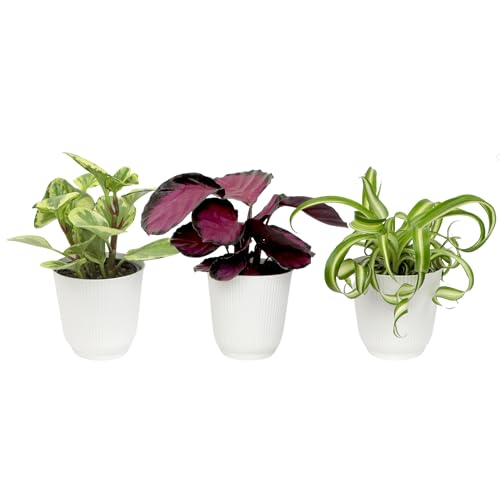
PET FRIENDLY HOUSE PLANTS: Our delightful collection of non-toxic house plants features prayer plant, spider plant, rubber plant, fern, and other live plant varieties you'll love to grow.


About the Plants: Included in this set is 1 Calathea, 1 Parlor Palm, and 1 Bird's-nest Fern. Each of these plants are recognized by the ASPCA as non-toxic, so you can keep your furry friends safe while enhancing your home with living plants! Place these plants on a sunny windowsill, end table, or bookshelf and enjoy their beautiful colors and growth.
7 Ways to Cat-Proof Your Plants Without Removing Them

Even if you own plants that pose risks, several proven strategies let you keep them safely in your home. Protect your beloved cat while enjoying greenery by implementing these practical solutions:
- Elevate danger zones with hanging planters placed 6–7 feet high where curious paws can’t reach them easily.
- Install physical barriers like clear domes or decorative cages around low pots to block access completely.
- Offer cat grass in favorite lounging spots to redirect chewing behavior toward safe alternatives instead.
- Apply bitter-tasting sprays to stems and cover soil with decorative rocks to discourage digging and nibbling attempts.
- Use a garden kneeler with memory foam to comfortably tend to ground-level plants while supervising your cat’s outdoor time in safe, enclosed spaces.
These methods protect both plants and pets effectively.
Recommended Products
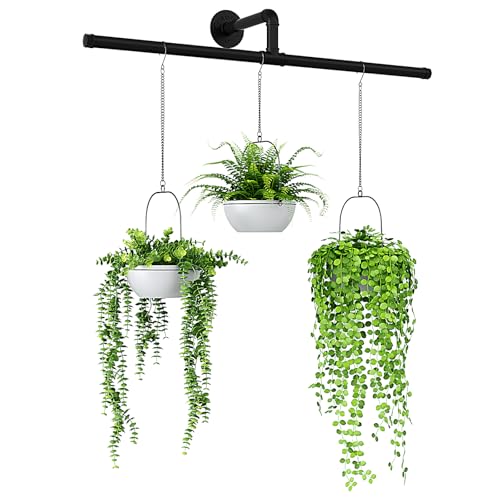
Unique T-shaped design: Bamworld T-shape hanging planter adopts innovative shape design, which is more unique and lovely in appearance and easier to install. It is the best choice to enrich the layout of your home garden!

Adorable Cat Planter: This cute cat-shaped hanging planter can adds instant charm to any space! Perfect for small succulents and air plants, it's both decorative and functional. Ideal for both indoor and outdoor space.

They are made of Resin, well carved and nice painted, looks like the real. The size of each cat is about 4*9cm/1.57*3.54in.
Why Some “Non-Toxic” Plants Still Make Cats Sick

When you assume “non-toxic” means completely safe, you’re setting yourself up for a surprise. Even safe plants can cause gastrointestinal upset if your cat munches too much.
Physical irritants like fibrous leaves or sticky sap may bother your pet’s mouth and throat. Pesticide residues on leaves often trigger worse reactions than the plant itself, so always rinse new greenery thoroughly.
Your cat might groom pollen or soil from her fur and accidentally ingest irritants that way. Remember that individual sensitivity varies widely—kittens and senior cats react more strongly to the same plant that healthy adults tolerate easily.
Keep your watering routine consistent with a quality copper watering can to avoid overwatering, which can lead to mold growth that may irritate your cat’s respiratory system.
Trusted Toxicity Databases to Check Before Buying Plants

Before you bring home that lush fern or trendy pothos, you need reliable information about its safety. Protecting your cat starts with checking trusted databases before purchasing any plant. These resources help you make informed decisions that keep your furry friend healthy.
Essential databases for checking pet toxicity:
- ASPCA Animal Poison Control offers thousands of species with clear toxic or non-toxic labels
- UC Davis Poisonous Plant Database provides scientific names and toxic compound details
- Veterinary toxicology texts include real case reports showing actual outcomes
- Cross-reference using scientific names because common names vary widely between similar plants
Always verify plants using their scientific name for accurate results. If you’re looking to add greenery indoors without risking your cat’s safety, consider using LED grow light panels to cultivate safe herbs and cat-friendly plants in dedicated spaces away from toxic varieties.
Frequently Asked Questions
Which Indoor Plants Are Most Toxic to Cats?
True lilies and daylilies pose the greatest threat, causing fatal kidney failure. Sago palms trigger severe liver damage, while Kalanchoe and lily-of-the-valley disrupt heart rhythms. You’ll also want to avoid Philodendron, Pothos, and Dieffenbachia.
What Are Good Houseplants That Are Not Toxic to Cats?
You’ll safeguard your furry friend’s health with spider plants, peperomias, moth orchids, calatheas, marantas, areca palms, Boston ferns, and string-of-hearts—all non-toxic varieties that bring greenery without worry.
What Is the #1 Cause of Death in Cats?
Trauma, especially from vehicle collisions, is the leading cause of death in cats overall. However, for older indoor cats you’re caring for, chronic kidney disease becomes the primary concern, making regular veterinary checkups essential for early detection.
What Is the Most Toxic Indoor Plant?
True lilies top the toxicity list—even a single petal causes kidney failure in 72 hours. To protect your feline friend, you’ll want to remove all lily varieties immediately and choose cat-safe alternatives instead.


