


Homeowners spend nearly $2,000 annually maintaining traditional mulched flower beds, yet rock alternatives can slash that cost by 60%. You’ve probably noticed how wood mulch breaks down every season, and it needs constant replacement to look fresh. Rock beds stay beautiful year after year with minimal effort. They won’t blow away in storms or wash out during heavy rains. Before you install your next flower bed, you’ll want to see how these 18 rock designs transform outdoor spaces while saving you time and money.
Black Lava Rock Beds With Architectural Succulents

Black lava rock creates a striking backdrop for bold succulent shapes. You’ll love how agaves and aloe plants stand out beautifully against the dark stones.
The textural contrast between smooth rocks and spiky leaves adds visual interest to your garden. This combination works perfectly in hot climates because both elements offer excellent heat tolerance.
Your succulents won’t need frequent watering, and the rocks won’t break down like mulch does. You can arrange larger architectural specimens as focal points, then fill in with smaller varieties.
The dark rocks also help retain soil warmth during cooler nights, which your succulents appreciate. Consider adding a metal plant shelf to display potted succulents at varying heights above your rock bed for added dimension.
White Marble Chips Surrounding Elegant Rose Bushes

While dark volcanic rock suits desert plants wonderfully, white marble chips offer something completely different for your rose garden.
The bright stones reflect sunlight upward onto rose leaves, and they create stunning contrast against green foliage and colorful blooms. You’ll find that marble chips keep soil cooler than dark rocks do.
Install drip irrigation beneath the stones before spreading them two inches deep.
The white surface makes rose pruning easier since you can spot fallen leaves and debris quickly. Marble chips also prevent soil splash during watering, which helps reduce black spot disease on lower rose leaves.
If you prefer containing your roses in elevated beds, cedar deck planters provide excellent drainage and natural rot resistance while complementing the elegant look of white marble chip groundcover.
Crushed White Quartz With Bold Tropical Plantings

Crushed white quartz creates a dramatic foundation for bold tropical plants like cannas, elephant ears, and bird of paradise. The bright white stones make deep green foliage pop with stunning visual impact.
Tropical contrasts work beautifully when you pair light rocks with dark, glossy leaves. You’ll need a three-inch layer for proper coverage and weed suppression.
Quartz textures catch sunlight differently throughout the day, adding subtle sparkle to your garden. The angular pieces interlock naturally, so they won’t scatter as easily as rounded pebbles.
This combination delivers year-round interest with minimal upkeep required from you. Consider displaying your tropical specimens in large outdoor planters to create flexible arrangements you can reposition as needed.
Recommended Products

Material: Made of high quality natural white crystal rock,clear and transparent
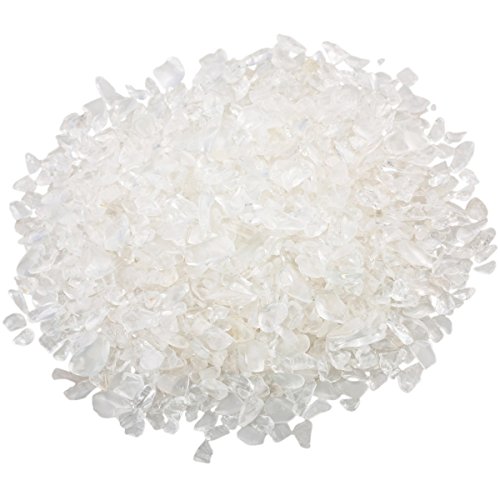
Size of stone: approx 0.1"-0.5"(3-15mm),Quantity:1Pack(1lbs);Weight(Approx):1 Pound(460Grams),Package comes wirth a drawstring burlap pouch as gift.

NET WEIGHT: 1 pound (460 grams). Fill about 1 Cup or 0.3 L volume. NB the stones are 1 lb heavy enough but SMALL BAG!
Gray Slate Rock Gardens With Purple Coneflowers

Gray slate chips bring a cooler, more refined look to rock gardens than bright white options. The charcoal tones create stunning contrast with purple coneflowers. You’ll love how this drought tolerant planting reduces watering time.
Purple coneflowers thrive in sunny spots with minimal care, and they bloom from summer through fall. This pollinator friendly design attracts butterflies and bees to your yard. Space coneflowers eighteen inches apart among the slate.
The gray rocks suppress weeds effectively while highlighting the vibrant blooms. You won’t need to replace mulch annually with this permanent solution. Consider adding metal tomato trellis cages nearby to support climbing varieties while maintaining the same low-maintenance aesthetic.
Red Lava Rock Beds With Bright Yellow Marigolds

Red lava rock pairs beautifully with bright yellow marigolds for a bold garden statement. The vibrant contrast creates eye-catching curb appeal that’ll brighten your landscape.
Marigolds thrive in lava rock beds because they share excellent heat tolerance. The porous rocks retain warmth while allowing drainage. You’ll need to add soil amendment before planting since lava rock doesn’t provide nutrients. Mix compost into your planting holes for healthy growth. A smart compost thermometer helps monitor your compost pile’s temperature to ensure it’s breaking down efficiently and ready to enrich your garden beds.
Marigolds need minimal care once established in rock beds. Water deeply but infrequently to encourage strong roots. The dark red rocks make yellow blooms pop dramatically throughout summer and fall.
Crushed Granite Gardens With Water-Wise Perennials

For xeriscaping excellence, crushed granite creates the perfect foundation for drought-tolerant plants. The angular pieces lock together naturally, and they won’t wash away during storms.
You’ll appreciate how crushed granite allows water to penetrate the soil while preventing evaporation. Plant drought tolerant perennials like lavender, Russian sage, and salvia directly through the rock layer. Space them generously for mature growth.
The neutral tan and gray tones complement purple and silver foliage beautifully. Consider incorporating permeable path design between planting areas, and you’ll create functional walkways that manage water efficiently while reducing your landscape maintenance markedly. To maximize water conservation in your xeriscape garden, install a rain barrel system to collect runoff for supplemental irrigation during extended dry periods.
Recommended Products

EXTREMELY VERSATILE. Decomposed granite can be used in a variety of projects, such as paths, driveways, patios, and many more projects.

Natural Crushed Granite Material: MIGHTY109 Granite Pea Gravel made from natural crushed granite with approximate diameter of stone 1/8 inch average

EXTREMELY VERSATILE. Decomposed granite can be used in a variety of projects, such as paths, driveways, patios, and many more projects.
Lava Rock Desert Landscapes With Hardy Succulents

Lava rock brings out the natural beauty of desert-style gardens with minimal effort. The porous texture holds heat during cool nights, and it won’t decompose like wood mulch.
You’ll create stunning contrast by pairing red or black lava rock with drought tolerant succulents. Sun loving agaves thrive in these conditions without frequent watering.
Plant sedums, echeverias, and jade plants directly through the rock layer. Space them twelve to eighteen inches apart for proper growth.
The rocks prevent weeds while allowing excellent drainage, which succulents need to avoid root rot. Consider adding a stainless steel planter box to elevate focal point plants while maintaining the cohesive desert aesthetic. You’ll spend less time maintaining your garden year-round.
Decomposed Granite Beds With Native Wildflowers

Decomposed granite creates a naturally cohesive look that complements native wildflowers perfectly.
You’ll love how the fine texture allows water to penetrate while keeping weeds at bay.
Drought tolerant wildflowers thrive in these conditions since the granite doesn’t hold excess moisture.
Choose pollinator friendly mixes that attract butterflies and bees to your garden.
The setup requires minimal effort, and you won’t need frequent watering once established.
Simply spread three inches of decomposed granite around your wildflowers, and they’ll flourish with little intervention.
This combination delivers beauty without demanding constant attention from you.
Keep professional pruning shears handy to maintain your wildflowers’ shape and remove spent blooms throughout the growing season.
River Rock Borders With Colorful Cottage Perennials

Along garden edges, river rocks create stunning borders that frame cottage perennials beautifully. You’ll love how smooth stones complement soft flower textures.
Plant classic cottage palette favorites like delphiniums, foxgloves, and hollyhocks behind the rock edging. These pollinator magnets attract bees and butterflies throughout summer.
The rocks keep soil in place while preventing grass from creeping into flower beds, and they won’t decompose like wood mulch does.
Choose perennials in blues, pinks, and purples for traditional charm. Space plants generously so they can spread naturally, and the river rocks will highlight their colorful blooms perfectly.
If you’re cultivating moisture-loving perennials in your flower bed, consider using essential humidifiers for large garden spaces to maintain optimal growing conditions during dry spells.
Beach Pebble Beds Surrounding Lush Hydrangeas

Beach pebbles offer a gorgeous foundation for your hydrangea displays. The smooth stones create beautiful seaside color contrast against blue, pink, and white blooms. You’ll love how the neutral tones make flowers pop. Beach pebbles provide excellent pebble soil drainage, and they prevent root rot in moisture-loving hydrangeas.
Arrange white or gray pebbles in a four-inch layer around each plant. The stones stay cooler than dark mulch in summer heat. They won’t decompose or need yearly replacement either. You can easily spot weeds against the light-colored surface, and removing them takes just minutes. For watering your hydrangeas, a copper watering can adds timeless charm while delivering gentle, precise moisture to the root zone. Your hydrangeas will thrive beautifully.
Pea Gravel Pathways Between Flowering Borders

Pea gravel works wonderfully to create charming pathways through your garden borders. You’ll find it’s affordable and drains water quickly after rain.
Simply lay down landscape fabric first, and then spread the gravel about two inches deep for best results. You can add textured steppingstones every few feet to make walking easier and more interesting.
Consider installing driftwood edging along both sides to keep the gravel contained and create a natural, coastal look. The neutral color complements bright flowers beautifully, and you won’t need to weed or maintain these paths like traditional mulched areas.
Limestone Rock Gardens With Fragrant Lavender and Herbs

Limestone rocks create the perfect foundation for Mediterranean-style gardens that practically care for themselves. You’ll love how lavender thrives alongside these pale stones. The rocks naturally increase soil pH, which Mediterranean plants prefer.
Place rosemary, thyme, and oregano in medicinal herb pockets between larger limestone pieces. These herbs need minimal water once established.
Create scented stone pathways using smaller limestone fragments, and plant creeping thyme along the edges for wonderful fragrance. The white rocks reflect heat and light, helping your herbs develop stronger essential oils. You’ll spend less time weeding since rocks suppress unwanted growth effectively.
Smooth River Rocks Around Hostas and Ferns

While sun-loving herbs pair beautifully with pale limestone, shade gardens need a different approach. Smooth river rocks create perfect shade loving companions for hostas and ferns. You’ll want darker stones that won’t reflect harsh light into delicate foliage.
These polished rocks excel at moisture retention strategies since they don’t absorb water like mulch does. Place them about two inches deep around your plants. The smooth surface prevents soil splash during rain, keeping leaves clean and disease-free.
River rocks also stay cooler than other materials, and they won’t compact over time, allowing proper air circulation around root zones.
Mixed River Stone Beds With Native Woodland Flowers

Stepping up from basic shade plantings, mixed river stone beds blend different rock sizes with native woodland flowers for a natural forest floor effect. You’ll combine pea gravel with larger river rocks around bloodroot, trillium, and wild ginger.
These plants show excellent shade adaptation and thrive without sunlight. Layer stones in varying depths to create pockets for root growth.
Native varieties attract woodland pollinators like native bees and butterflies throughout spring. The rock mixture controls weeds while maintaining soil moisture better than mulch alone. You’re building a self-sustaining system that needs minimal watering once established.
Large Boulder Accents With Creeping Groundcovers

Large boulders create dramatic focal points that anchor your rock garden design. Position them in groups of odd numbers for natural appeal.
You’ll want drought tolerant groundcovers like creeping thyme or sedum spreading between rocks. These plants require minimal water once established, and they’ll soften the hard edges beautifully.
Plant in pockets between boulders where soil collects naturally. Space your groundcovers 12 to 18 inches apart for coverage.
Consider adding boulder lighting to highlight interesting shapes at night, and this creates stunning evening atmosphere. Your boulders won’t need replacement like mulch does each year.
Flagstone Pieces Between Ornamental Grasses

Flagstone pieces nestle perfectly among ornamental grasses to create textured layers throughout your garden. You’ll love how the stone’s earthy tones complement swaying grass blades.
Place larger flagstone patterns as focal points first, then fill gaps with smaller pieces. The grasses soften the stone’s hard edges beautifully.
You can arrange the stones randomly or in deliberate paths for visual interest. Here are maintenance tips: pull weeds between stones monthly and trim grasses seasonally.
The combination requires minimal watering once established, and the stones prevent soil erosion while the grasses add movement and year-round structure to your landscape design.
Terraced Rock Gardens With Cascading Blooms

By building upward with multiple rock levels, you’ll create stunning vertical interest in your yard. Layered terraces allow you to showcase different plant heights beautifully.
Stack rocks to form retaining walls between each level. Each tier should be 8-12 inches tall for proper drainage.
Plant cascading groundcovers like creeping phlox or sedum along the edges. These plants will spill downward between the stone layers. The result is a waterfall effect of colorful blooms.
You’ll maximize planting space while minimizing weeding areas. This design works especially well on slopes where flat beds aren’t practical.
Natural Stone Mulch for Raised Garden Beds

Replacing organic mulch with stone gives your raised beds a permanent, low-effort solution.
Natural stonemulch won’t decompose, so you’ll never need to replenish it like wood chips or bark. The rocks create excellent raised beddrainage by allowing water to flow freely around plant roots, and this prevents soggy soil that causes root rot.
You can choose river rock, pea gravel, or crushed granite based on your aesthetic preferences. Spread a two-inch layer over the soil surface between your plants.
The stones also help regulate soil temperature and suppress weeds effectively while maintaining a tidy appearance year-round.
Frequently Asked Questions
How Much Does Rock Mulch Cost Compared to Traditional Wood Mulch?
Rock mulch typically costs $3-6 per square foot installed, while wood mulch runs $1-3 per square foot. Though you’ll face higher installation costs upfront, rock offers long-term savings since it doesn’t require annual replacement.
Will Rocks Attract and Retain Too Much Heat for Plant Roots?
Yes, you’ll experience heat buildup with rocks, potentially causing root stress. Unlike organic mulch’s soil insulation properties, rocks absorb heat. However, you can select drought-tolerant plants with strong heat adaptation capabilities to thrive successfully.
How Do I Prevent Weeds From Growing Through Rock Mulch?
You’ll need more than hope to keep weeds at bay. Install quality weed barrier fabric beneath your rocks and commit to seasonal maintenance—pulling any stubborn sprouts that break through guarantees long-term control.
Can I Use Landscape Fabric Underneath Rocks for Better Weed Control?
Yes, you can use landscape fabric as a weed barrier underneath rocks. However, consider the fabric pros cons first: it blocks weeds effectively but can prevent water drainage and eventually deteriorate, making future maintenance difficult.
How Deep Should I Spread Rocks for Effective Ground Coverage?
You’ll want depth guidelines of 2-4 inches—though it’ll feel like you’re building Fort Knox! This layer thickness effectively blocks weeds while allowing proper drainage. Deeper isn’t better; you’ll waste money and smother plants.
Conclusion
You’re ready to transform your flower beds with rock. It’s no coincidence that the easiest gardens combine beautiful stones with smart plant choices, and you’ve now got eighteen proven designs to inspire your own low-maintenance landscape. Pick your favorite rock type and start with one small bed. You’ll save time on watering and weeding while creating a garden that looks great all year long.


