


Pruning roses correctly in late winter, when plants are dormant, removes dead and diseased wood while shaping healthy canes to maximize spring blooms. Sharp, disinfected pruners should cut at 45-degree angles just above outward-facing buds. Hybrid tea and floribunda roses need canes reduced to 14–18 inches, while climbing and shrub varieties require only light trimming since they bloom on old wood. Creating a V-shaped center improves air circulation, reducing disease risk. Following these timing and technique guidelines guarantees healthier bushes, stronger growth, and abundant flowers throughout the growing season.
When to Prune Roses for Best Results
Timing plays a critical role in successful rose pruning, and knowing when to cut makes the difference between abundant blooms and disappointing results.
Late winter stands as the ideal pruning window for most rose varieties, when plants remain dormant and branch structures appear clearly visible.
This dormancy period prevents injury to the plant and allows it to direct energy toward spring growth.
Gardeners should avoid fall pruning, which stimulates vulnerable new growth before winter’s arrival, and limit spring or summer cuts that reduce blooming potential by removing flower-producing wood.
Investing in quality professional pruning shears ensures clean cuts that heal quickly and minimize disease transmission between plants.
Essential Tools You Need to Prune Roses

Having the right tools makes rose pruning safer, easier, and more effective for both the gardener and the plant. Sharp pruners are essential because they cut cleanly without tearing stems, which helps prevent disease and promotes faster healing.
Gardeners should disinfect blades between bushes using alcohol wipes to avoid spreading infections from plant to plant. Ratcheting hand pruners reduce hand fatigue during extended pruning sessions, making the job more comfortable.
For thicker branches over half an inch in diameter, bypass loppers provide the extra cutting power needed without damaging the wood. Electric pruning shears offer an effortless alternative that reduces strain on hands and wrists while maintaining precise, clean cuts throughout your rose garden.
Recommended Products

GARDEN SHEARS PRUNING - 2-in-1 Innovative Design. Our model stands out with its unique design, offering two distinct working modes – the traditional Single-Cut for everyday pruning tasks and an advanced Ratchet-Cut with a 3-step mechanism for dealing with thicker branches.

Strength-Boosting Shears: boost your cutting power with ratchet garden shears for pruning, trimming, and harvesting plants. Your TGF anvil pruners help you achieve cleaner cuts with less strain

【Reinforced Structure】Upgraded reinforced structure with aluminum alloy handles improves overall strength and stability, delivering reliable performance when trimming thicker branches.
Remove Dead and Diseased Wood First

Before making any other cuts, gardeners should begin by identifying and removing all dead, diseased, or damaged wood from the rose bush. Dead wood appears brown or black throughout, while diseased wood shows discoloration, cankers, or unusual spots. Damaged branches may have cracks, splits, or wounds from weather or pests.
Using sharp, clean pruners, cut back to healthy tissue where the interior appears white or light green. Make cuts at a 45-degree angle just above an outward-facing bud, which encourages proper healing and growth direction.
This critical first step prevents disease spread and allows energy to focus on healthy canes. Investing in heavy duty garden tools ensures clean, precise cuts that minimize damage to the plant and make the pruning process more efficient.
Prune Hybrid Tea and Floribunda Roses

After removing all dead and diseased wood, gardeners can focus on shaping hybrid tea, floribunda, and grandiflora roses, which all bloom on new wood produced during the current growing season.
Cut back remaining canes to 14–18 inches above ground level, making each cut at a 45-degree angle just above an outward-facing bud.
Remove one-third of the oldest wood annually to encourage vigorous new growth.
Shape the center of the bush into a V formation, which promotes air circulation and directs energy toward productive flowering stems, resulting in larger blooms and healthier plants throughout the growing season.
A quality orchard pruning kit provides the specialized tools needed to make clean, precise cuts that heal quickly and minimize disease transmission.
Recommended Products

Seal & Protect Tree Wounds Fast: Thick 2X concentrated formula designed to coat and seal cuts, cracks, and bark damage. This tree wound sealer supports natural healing by creating a durable moisture-resistant layer. Works as a reliable tree wound dressing for pruning, storm recovery, or grafting.
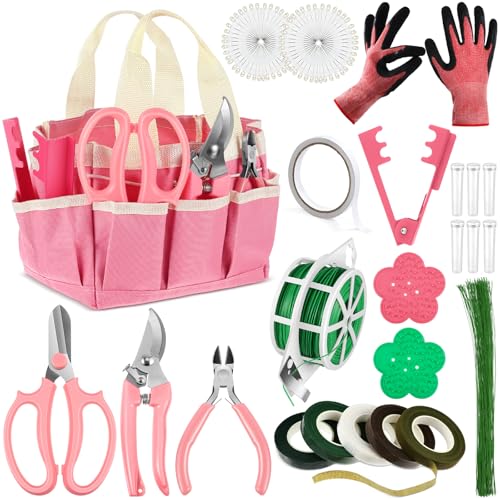
Nice Women Gift Solution: our comprehensive 207 piece floral kit is the holiday gift for women, moms, friends, and gardeners; Beautifully practical and ready for festive crafting, making it a far more thoughtful gift than ordinary presents; Including 1 garden bag, 80 corsage pins, 3 flower stem cutters, 3 rose thorn removal tools, 1 pair of gardening gloves, 100 green stem wires, and a variety of additional tools such as double sided tape, and 12 flower branch water storage hoses etc

Package Included: you will receive 14 flower stripper gifts in total, 1 pink floral scissors, 1 pink pruning shears, 4 rose thorn removal tools, 1 pink metal rose thorn remover and 1 pink plastic rose thorn remover, 5 rolls of floral tape and 1 gardening gloves, sufficient quantity and flexible combination to meet your use and replacement needs for Valentine's Day
Prune Climbing and Shrub Roses

Climbing and shrub roses’ pruning requirements differ considerably from hybrid tea varieties because these plants bloom primarily on old wood, meaning branches that developed during previous growing seasons. Heavy late winter pruning removes flowering potential, so timing matters greatly for these roses.
Shrub roses should be pruned immediately after their summer blooming period ends, allowing adequate recovery time before winter dormancy.
Climbing roses require minimal intervention during late winter, limited to removing wild, unruly shoots that disrupt the trained shape.
For newly planted climbing and shrub roses, delay major pruning for two to three years, permitting proper establishment and structural development first.
When pruning these roses, use a forged steel garden fork to gently loosen the soil around the base and remove any weeds that compete for nutrients.
Recommended Products

Exceptional Strength: Crafted with solid forged carbon steel tines, this digging fork is designed to withstand tough soil conditions and heavy-duty use
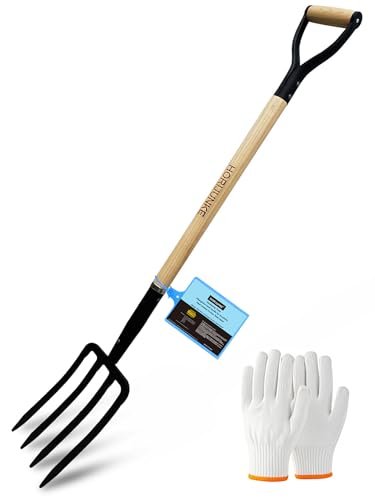
Garden Fork: Garden Fork Head Adopt Forging Process Form In One Body To Make for High-Strength Manganese Steel It More Durable And Not Easy To Bend When Digging Hard.

Digging Garden Fork: Garden Fork Head Adopt Forging Process Form In One Body To Make It More Durable And Not Easy To Bend When Digging Hard.
Cut the Center Into a V-Shape for Air Flow

A rose bush’s center structure greatly impacts its overall health, air circulation, and blooming capacity throughout the growing season.
Gardeners should prune hybrid tea, floribunda, and grandiflora roses into a V-shape at the center, removing inward-facing branches that cross or crowd the middle.
This open structure allows sunlight to reach interior leaves, promotes better air movement, and reduces moisture buildup that encourages fungal diseases and pest infestations.
The V-shape directs new growth outward, preventing tangled stems and creating a balanced, attractive form that supports robust flowering throughout spring and summer months.
Add the trimmed branches and diseased foliage to a large compost tumbler to convert organic waste into nutrient-rich soil amendment for your garden beds.
Avoid These 5 Rose Pruning Mistakes

Even experienced gardeners sometimes make common pruning errors that weaken rose bushes, reduce flowering, or invite disease into their gardens.
1. Pruning at the Wrong Time****
Late winter pruning suits hybrid teas, floribundas, and grandifloras best.
Shrub and climbing roses need different timing since they bloom on old wood.
2. Using Dull or Dirty Tools****
Sharp, clean blades prevent torn stems and disease spread between plants.
3. Removing Too Much Growth****
Cutting below 14–18 inches weakens hybrid teas and reduces blooming potential substantially.
4. Ignoring Dead Wood****
Diseased or damaged branches harbor pests and should be removed first.
Fix Over-Pruned Roses and Restore Growth

When roses receive excessive pruning, gardeners can take specific steps to help the plants recover and produce healthy new growth within the same season.
First, apply a balanced fertilizer to provide nutrients that support recovery and new shoots.
Water deeply once per week, ensuring moisture reaches 12–18 inches below ground level.
Avoid additional pruning for at least six months, allowing the plant to redirect energy toward restoration.
Monitor for signs of stress, including wilting or yellowing leaves, and adjust watering as needed.
Consider collecting organic waste in a stainless steel compost bin to create nutrient-rich soil amendments that support rose recovery.
Most over-pruned roses will show significant recovery within 8–12 weeks when given proper care.
Frequently Asked Questions
Can I Prune Roses in Containers Differently Than In-Ground Roses?
Container roses follow the same pruning guidelines as in-ground roses. The pruning timing, techniques, and equipment remain identical regardless of planting location. Container size does not alter fundamental pruning principles for maintaining healthy, blooming roses.
How Do I Identify Old Wood Versus New Wood Growth?
Like rings revealing a tree’s history, old wood appears darker and thicker with rough bark, while new wood emerges lighter, greener, and smoother. Old canes grow from the base; new shoots sprout from existing branches.
Should I Fertilize Roses Immediately After Pruning Them?
The provided knowledge does not address fertilization timing after pruning roses. Generally, gardeners should wait until new growth appears before fertilizing, as plants need time to recover from pruning stress before processing nutrients.
What Angle Should I Cut Rose Stems at When Pruning?
Rose stems should be cut at a 45-degree angle, sloping away from the bud. This angle prevents water from pooling on the cut surface, which could lead to rot or disease development in the plant.
Do Miniature Roses Require Different Pruning Techniques Than Standard Roses?
Like their full-sized cousins, miniature roses follow similar pruning principles but on a smaller scale. They benefit from the same late winter timing, sharp tools, and removal of dead wood, just with proportionally reduced cuts.
Conclusion
Mastering proper rose pruning techniques transforms struggling bushes into powerhouse bloomers that produce spectacular flowers season after season. Gardeners who remove diseased wood, shape their plants correctly, and avoid common mistakes will enjoy healthier roses with dramatically improved air circulation and disease resistance. With sharp tools, proper timing, and confidence in these proven methods, anyone can achieve professional-level results that turn ordinary rose gardens into extraordinary showcases bursting with vibrant, abundant blooms throughout the entire growing season.


