


Lupines bring tall, colorful flower spikes to garden beds while fixing nitrogen in the soil, attracting pollinators like bees and butterflies, and naturally deterring deer. These perennials thrive in zones 4–9, prefer well-drained sandy soil, and grow best from seed sown directly in spring or fall. They require minimal maintenance once established, need only occasional watering, and benefit from deadheading to encourage additional blooms. However, all parts contain toxic alkaloids that pose risks to pets and children, requiring careful garden placement to explore their full potential safely.
Where Lupines Grow Best: Zones, Soil, and Climate
While lupines adapt to various environments, they perform best in specific growing zones and soil conditions that support their unique root systems and growth habits. These hardy perennials thrive in growing zones 4 through 9, tolerating a wide temperature range across most regions.
They grow well in sandy, loamy, or clay-based soils, though sandy conditions produce the strongest results. Their performance may decline in hot, humid summer climates, where extended heat stresses the plants.
Despite soil flexibility, lupines develop long taproots that require loosened ground, breaking up compacted earth while creating essential air channels for ideal growth and nutrient absorption. Metal raised beds provide excellent drainage and allow gardeners to create the deep, loose soil structure that lupines need for their extensive taproot development.
Choosing the Right Lupine Variety for Your Garden

Selecting the right lupine variety depends on available garden space, aesthetic preferences, and sun exposure in the planting area.
Russell Lupines, also called Garden Lupines, produce tall, cone-shaped spikes with vivid, bright colors, making them ideal for larger borders and flower beds.
For compact areas, Dwarf Pixie varieties work well, tolerating both full sun and partial shade while requiring less space.
Hartwegii Pastel Mix offers another compact option, producing pastel-colored blooms that complement softer garden palettes.
All varieties attract bees, butterflies, and other pollinators, though gardeners with pets should note that lupine seeds are toxic to dogs and cats.
Consider displaying your lupines in stone resin planters for a durable and attractive container option that complements their vibrant blooms.
Recommended Products

Brand:Lupine, Country Of Manufacture:United States

Ⓘ HOW MANY SEEDS Ⓘ We are not always able to control the exact amount of seeds in each package. Please CONTACT US if you have any questions about your order

NUMBER OF SEEDS - The waterproof package of seeds includes 30 seeds
Why Lupines Improve Soil and Resist Deer

Lupines transform garden soil through their natural growth processes, making them valuable additions beyond their colorful blooms. As legumes related to peanuts and soybeans, they fix nitrogen in the soil, which enhances nutrient availability for surrounding plants.
Their long taproots break up compacted soil and create essential air channels for better drainage.
Lupines offer additional garden benefits:
- Deer avoid eating lupines, protecting neighboring perennials from browsing damage
- Pests rarely attack these hardy plants, reducing maintenance needs
- Drought tolerance eliminates watering requirements once established
- Improved soil structure supports healthier plant growth throughout the garden bed
Growing lupines in cedar raised garden kits provides excellent drainage conditions that complement their taproot development and soil-enriching capabilities.
Planting Lupine Seeds in Spring or Fall

Growing lupines from seed proves more successful than using transplants, which helps gardeners save money while achieving better results. Seeds can be sown in late fall or early spring, though spring planting during cool soil periods yields the best outcomes.
Soaking seeds for 12–24 hours before planting softens their tough outer coat and improves germination rates.
Sowing four to five weeks before the last frost supports early germination and blooming.
Fall planting remains an option but carries higher risk of seed loss to birds and animals seeking food during winter months.
Testing your soil with a soil tester digital pro helps determine optimal pH levels for lupine growth, as these plants thrive in slightly acidic conditions.
Recommended Products
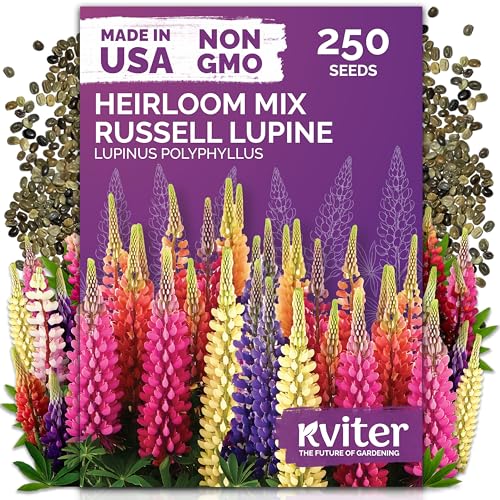
Perennial Heirloom seeds Color Mix: mixed lupine seeds deliver upright spikes with lupine blooms, 12-36 inches tall; bee friendly perennial flower seeds for any flower garden. Thrives in USDA Zones 3-8.

☀️【Natural Light Replication】: This LED plant light provides a full spectrum of light, just like natural sunlight, significantly enhancing indoor plant growth by accelerating photosynthesis. Suitable for all stages of growth and a wide variety of plants.

[Value Seedling Starter Kits]: It includes:6*12 cells seedling trays and 6 grow lights. Which can provide lights and heat to the seedlings. There are 3 lights: white light, blue light, red light. It is suitable for starting seedlings that love lights. Such as: basil, rosemary, mint, herds, tomatoes, pepper shoots, strawberries, etc.
Preparing Soil and Spacing Lupine Seedlings

Once seeds are planted, proper soil preparation and seedling spacing create the foundation for healthy lupine growth and development.
Gardeners should loosen soil a few inches deep before planting, which allows the taproot to penetrate downward easily and establish strong anchorage.
After germination occurs, thin seedlings to 6–12 inches apart depending on the variety selected.
Essential maintenance steps include:
- Press seeds 1/8 inch into soil for ideal depth
- Apply mulch when seedlings reach a few inches tall
- Guarantee adequate spacing prevents overcrowding and disease
- Retain moisture through proper mulching techniques
These practices support vigorous lupine development throughout the growing season.
For easier soil preparation and debris removal, consider using a metal garden soil sifter to create the ideal planting bed texture.
Recommended Products

Versatile Soil Sifter Set - This set includes two garden sifters with different mesh sizes (3.8x3.8mm and 5.0x5.0mm), cater to various sifting needs.Soil Sifter can be used to sieve soil, dirt, compost, rocks, wood pellet, ash, sand, coal, seeds, stones, gravel, lumps, weeds.

PRECISE SOIL SIFTING: This soil sifting set includes three soil sifters with fixed, integrated mesh screens in 3 mm, 6 mm, and 10 mm, along with a pair of protective gardening gloves and a sturdy shovel. The three mesh sizes allow step-by-step sifting from coarse to fine, removing debris, roots, and clumps to create clean, evenly textured, plant-ready soil for seeds, pots, and garden beds.

Versatile Gardening Tool: Elevate your gardening experience with our soil sifter, specifically designed for various tasks including screening sand, soil, compost, and even rocks. This essential sifter for gardening helps you cultivate a flourishing garden by effectively removing unwanted debris and enhancing soil quality
Mulching and Deadheading for Extended Blooms

Proper mulching and deadheading techniques considerably extend the flowering period of lupines while reducing maintenance requirements throughout the growing season.
Once seedlings reach a few inches in height, apply a two to three inch layer of organic mulch around the base of plants to retain soil moisture and suppress competing weeds.
After the initial bloom cycle concludes in early summer, remove spent flower spikes by cutting them back to the base foliage. This deadheading practice encourages plants to produce a second flowering period in early to mid-fall, effectively doubling the ornamental display while maintaining garden aesthetics.
Invest in heavy duty garden tools to make cutting back thick lupine stems and maintaining your garden beds easier and more efficient throughout the season.
Lupine Toxicity: Protecting Pets and Children

While lupines offer numerous benefits to gardeners and pollinators, these beautiful plants contain toxic alkaloids in their seeds, leaves, and stems that pose serious health risks to pets and children.
Ingestion can cause vomiting, tremors, difficulty breathing, and in severe cases, respiratory failure requiring immediate veterinary or medical attention.
To minimize risks, gardeners should consider these protective measures:
- Plant lupines in areas inaccessible to young children and pets
- Remove seed pods promptly before they mature and drop
- Educate family members about the plant’s toxicity
- Monitor pets closely when lupines are present in the garden
Choosing planting locations carefully guarantees both safety and garden beauty.
How Lupines Attract Bees and Butterflies

Lupines serve as powerful magnets for pollinators due to their abundant nectar, vibrant colors, and unique flower structure that specifically accommodates bees and butterflies.
The cone-shaped spikes display vivid hues that pollinators can easily spot from a distance, drawing them consistently throughout the blooming period.
Bumblebees particularly favor lupines because their weight triggers the flower petals to open, releasing pollen and nectar as a reward.
Butterflies land on the tall spikes to access multiple blossoms efficiently.
All lupine varieties, including Russell Lupines, Dwarf Pixie, and Hartwegii Pastel Mix, attract these beneficial insects effectively, supporting garden pollination and ecosystem health.
To maximize efficiency in maintaining your lupine garden and ensuring consistent blooms for pollinators, consider using an outdoor water timer for automated irrigation.
Frequently Asked Questions
Can Lupines Grow Successfully in Containers or Pots?
Lupines can grow in containers, though their long taproots prefer deeper pots. The Dwarf Pixie variety is particularly well-suited for container gardening due to its compact size and adaptability to confined spaces.
How Do You Prevent Lupines From Spreading Too Aggressively?
Regular deadheading prevents seed formation and limits self-seeding. Removing spent blooms before seeds mature stops aggressive spreading. Alternatively, gardeners can allow controlled self-seeding by collecting seeds promptly and planting them in designated areas only.
What Companion Plants Pair Well With Lupines in a Garden?
Like puzzle pieces fitting together, lupines complement low-growing perennials such as catmint, coreopsis, and salvia. Their nitrogen-fixing roots benefit neighboring plants, while drought-tolerant companions thrive in similar soil conditions without requiring additional watering.
Do Lupines Need Fertilizer or Compost for Optimal Growth?
Lupines do not require fertilizer or compost for ideal growth. As nitrogen-fixing legumes, they naturally improve soil quality by adding nutrients, making additional fertilization unnecessary and potentially counterproductive to their development.
Can You Divide Lupine Plants to Propagate Them?
Why struggle with division when lupines prefer simpler methods? Lupines cannot be successfully divided due to their long taproots, which resist transplanting. Instead, propagate them through seeds, which germinate readily and establish more reliably than divided plants.
Conclusion
From seed to stunning spires of color, lupines reward gardeners who follow proper planting practices and maintenance schedules. These nitrogen-fixing perennials work like underground factories, enriching soil while their blooms paint gardens in rainbow hues season after season. Whether choosing towering Russell varieties or compact cultivars, gardeners gain pollinator magnets that stand tall against deer, drought, and neglect, transforming ordinary beds into thriving ecosystems with minimal effort required.


