


To grow mums as perennials, you’ll need to select cold-hardy varieties rated for your USDA hardiness zone (5-9) and plant them in early spring rather than fall. Position the crown at soil level in well-draining, loamy soil with pH 6.0-6.5, spacing plants 18-24 inches apart. After the first hard frost, apply 4-6 inches of mulch and delay pruning until spring—the dead foliage provides natural insulation. Below, you’ll discover specific cultivar recommendations and advanced overwintering protocols.
Key Takeaways
- Annual mums complete their lifecycle in one season, while perennial mums survive multiple years with established root systems and proper care.
- Select hardy mum varieties suited to your USDA hardiness zone; zones 5-9 support perennials, while colder regions require cold-tolerant cultivars.
- Plant mums with crowns at soil level in well-draining, loamy soil with 18-24 inch spacing to prevent root rot and ensure survival.
- Apply 4-6 inches of mulch after the first hard frost and delay pruning until spring to provide natural insulation through winter.
- Maintain consistent weekly watering of 1 inch and monitor soil moisture at 2-3 inch depth to support healthy root development year-round.
Understanding the Key Differences Between Annual and Perennial Mums
While both types belong to the *Chrysanthemum* genus, annual and perennial mums exhibit distinct biological characteristics that determine their cultivation requirements and lifecycle patterns.
Annual characteristics include a single-season growth cycle, compact morphology, and temperature-sensitive root systems that can’t withstand freezing conditions.
Annual mums exhibit compact growth patterns and frost-vulnerable root structures that limit their survival to a single growing season.
Perennial advantages encompass multi-year viability, established root networks capable of winter dormancy, and regenerative capacity through vegetative propagation.
You’ll observe that perennials require strategic overwintering protocols—including mulch application and thermal protection—while annuals complete their reproductive cycle through seed production.
Climate zone classification directly influences whether your mums function as true perennials or are cultivated as seasonal annuals.
For gardeners seeking to maximize their perennial mum cultivation, implementing cedar raised garden kits can provide superior drainage and soil temperature regulation that supports robust root development through winter months.
Choosing the Right Mum Variety for Your Climate Zone

Because geographic location fundamentally determines mum survivability, you must evaluate your USDA hardiness zone before selecting cultivars.
Hardy varieties demonstrate superior climate adaptability in zones 5-9, while tender cultivars function best as annuals in colder regions.
Regional preferences greatly influence success rates: northern gardeners should prioritize early-blooming, cold-tolerant specimens like ‘Sheffield Pink’ or ‘Clara Curtis,’ whereas southern cultivators can utilize heat-resistant varieties.
Examine vernalization requirements, as perennial mums need specific chilling hours for dormancy-breaking mechanisms.
Select cultivars with documented winter survivability data corresponding to your microclimate’s minimum temperature thresholds and frost dates.
Additionally, maintaining optimal humidity levels in indoor growing environments requires proper equipment, including dehumidifiers for grow rooms that prevent excessive moisture accumulation around your plants.
Recommended Products

Flower characteristics: Chrysanthemums come in various shapes, including single petals, semi-double petals, double petals, pompoms, etc. The petals can be narrow or wide, and the center can be disc-shaped or button-shaped.

Easy to plant and grow: These multi-color ground-cover chrysanthemum seeds are small and simple to sow, requiring only thin planting and light pressing.

Quantity and Heritage: 97+ non-GMO heirloom seeds of hardy perennial chrysanthemums; Rainbow mix ensures a diverse and unpredictable array of autumn bloom colors
Planting Techniques for Long-Term Perennial Success

Three critical factors determine perennial mum establishment: timing, soil preparation, and root-to-shoot positioning.
You’ll maximize survivability by implementing these evidence-based protocols:
- Planting depth: Position the crown exactly at soil level—neither buried nor exposed—to prevent crown rot and desiccation.
- Spacing guidelines: Maintain 18-24 inches between plants to guarantee adequate air circulation and reduce fungal pathogen transmission.
- Root system: Loosen rootbound specimens before installation to encourage lateral root development.
- Soil amendment: Incorporate 2-3 inches of organic matter to improve drainage and nutrient availability.
These techniques greatly enhance overwintering success rates. Consider using a large compost tumbler to efficiently produce the high-quality organic matter needed for soil amendments throughout your perennial garden.
Recommended Products

Made in Canada from 100% post-consumer recycled plastic - The original 8-sided dual chamber tumbling composter.

Save 80% Time: Unlike traditional tumbling compost bins, our upgraded rotating compost bin features a built-in internal nut system, making setup faster and simpler. No need to hold nuts from the outside—just screw and go! This innovation cuts assembly time in less than 10 mins, making it the ideal compost machine for first-timers or busy gardeners. A must-have for anyone searching for a compost bin outdoor large, compost bin for garden, or garden compost bin that's quick to assemble.
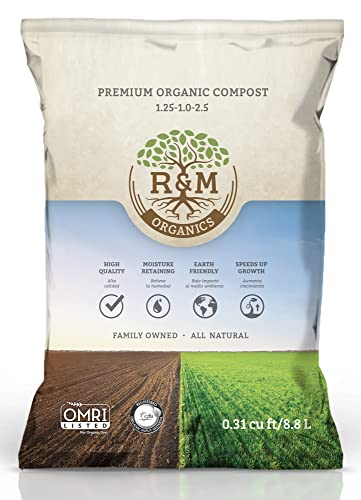
All-purpose fertilizer. Derived from 100% dairy cow manure, our compost helps improve your soil by bringing needed nutrients that are often depleted after your harvests. Ideal for fruits and vegetables (tomatoes, zucchini, oranges, peaches, avocados, lemons, etc.), flowers (roses, tulips, orchids, marigolds, sunflowers, etc.), Lawns, and trees.
Essential Watering and Soil Requirements

Proper establishment depends equally on post-planting irrigation and substrate composition.
You’ll need to maintain consistent watering frequency during the first growing season—approximately 1 inch weekly through deep soaking rather than shallow sprinklings.
Monitor soil moisture at 2-3 inch depth; water when substrate feels dry to touch.
Ideal soil drainage requires loamy composition with pH 6.0-6.5, amended with organic matter at 25-30% ratio.
Avoid waterlogged conditions that promote Phytophthora root rot.
Install mums in raised beds or slopes if native soil retains excessive moisture.
Well-drained substrates guarantee root oxygenation and prevent pathogenic fungal colonization during overwintering periods.
Consider installing an outdoor utility sink in your garden workspace to facilitate easy cleaning of tools and pots after working with soil amendments.
Recommended Products
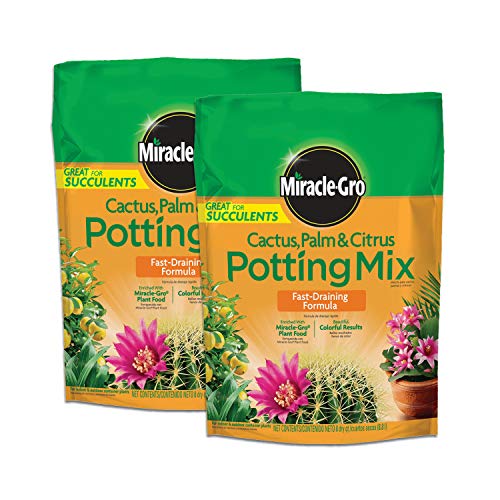
Miracle-Gro Cactus, Palm & Citrus Potting Mix features a fast-draining formula and is enriched with Miracle-Gro Plant Food

OUTDOOR POTTING SOIL: Miracle-Gro Organic Outdoor Potting Mix contains a quick-release natural plant fertilizer and also feeds plants for up to 2 months
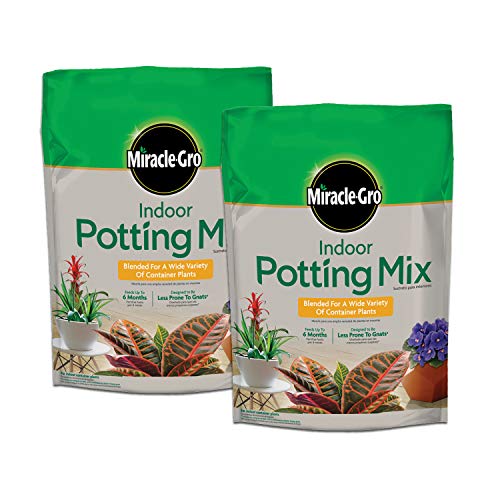
Miracle-Gro Indoor Potting Mix feeds houseplants for up to 6 months and is designed to be less prone to gnats (contains no compost or bark, which are known to shelter fungus gnats)
Preparing Your Mums to Survive Winter

When temperatures drop below 20°F (-6°C), perennial mums require strategic protection to maintain root system viability through dormancy.
Implement these evidence-based overwintering protocols:
Follow research-supported winterization methods to ensure your perennial mums successfully survive freezing temperatures and emerge healthy in spring.
- Apply winter mulching with 4-6 inches of organic material (straw, pine needles, or shredded leaves) after the first hard frost.
- Install frost protection barriers using burlap windbreaks in exposed locations to minimize desiccation.
- Delay pruning dead foliage until early spring to provide natural insulation.
- Monitor soil moisture biweekly, ensuring roots don’t completely dry out during winter months.
Consider installing a rain barrel system to collect and store water for maintaining adequate soil moisture during dry winter periods when municipal water sources may be inconvenient to access.
This systematic approach maximizes perennial survival rates in USDA zones 5-9.
Pruning and Pinching Strategies for Maximum Blooms

Strategic stem manipulation through pinching and pruning directly influences chrysanthemum bloom quantity, size, and timing by redirecting auxin distribution and promoting lateral bud development. You’ll maximize floral display by implementing precise pinching techniques from spring through mid-July, removing 1-2 inches of terminal growth every 2-3 weeks. Pruning frequency determines branching density—frequent interventions yield compact, multi-stemmed specimens with abundant smaller blooms, while selective removal produces fewer, larger flowers.
| Timing | Pinching Techniques | Expected Outcome |
|---|---|---|
| Early May | Remove 1″ terminal growth | 4-6 lateral shoots emerge |
| Late June | Pinch all new stems | Dense, bushy framework forms |
| Mid-July | Final pinch (STOP) | Flower buds initiate properly |
| August | Cease all manipulation | Blooms develop unimpeded |
| Post-bloom | Cut back 50% height | Promotes overwintering success |
After the final autumn bloom cycle, consider composting spent mum foliage and stems using electric composters to efficiently break down organic material and create nutrient-rich amendments for next season’s garden beds.
Dividing and Transplanting Established Mums

Beyond optimizing bloom production through pruning, perennial mums require periodic division to maintain strength and prevent center die-out that occurs when clumps age beyond 3-4 years.
Divide perennial mums every 3-4 years in early spring to prevent woody center deterioration and maintain vigorous bloom production.
Execute division in early spring when new shoots emerge 2-3 inches tall:
- Extract the root mass using a spading fork, maintaining 6-8 inches depth around established growth.
- Separate viable divisions by cutting through the root crown, ensuring each section contains 3-5 shoots with intact roots.
- Discard woody centers showing deterioration or reduced health.
- Implement transplanting techniques immediately, setting divisions at original soil depth in amended locations.
This rejuvenation cycle sustains productive flowering capacity. For precise cutting through tough root crowns and stems, electric pruning shears make the division process considerably easier and less physically demanding.
Common Problems and Solutions for Perennial Mums

Although perennial mums demonstrate robust growth characteristics, they’re susceptible to specific pathogenic and environmental stressors that compromise vigor and flowering performance.
Implement integrated pest control targeting aphids, spider mites, and thrips through neem oil applications or insecticidal soap treatments.
Disease prevention requires adequate air circulation, avoiding overhead irrigation, and removing infected foliage promptly.
Powdery mildew, botrytis blight, and root rot represent primary fungal threats.
Maintain soil pH between 6.5-6.7 and guarantee proper drainage to minimize pathogenic colonization.
Apply copper-based fungicides prophylactically during high-humidity periods.
Monitor regularly for early symptom detection, enabling rapid intervention before systemic infection establishes.
When watering your mums, consider using a stainless steel hose reel for efficient water distribution and equipment longevity in garden maintenance.
Frequently Asked Questions
Can I Convert Annual Mums Into Perennials by Changing Care Methods?
No, you can’t convert annual mums into perennials through care techniques alone. Annual varieties genetically lack perennial characteristics like cold hardiness and dormancy mechanisms. You’ll need to purchase cultivars specifically bred for perennial growth and overwintering capability.
Do Mums Attract Pollinators Like Bees and Butterflies to My Garden?
Observing a vibrant garden buzzing with activity demonstrates mums’ pollinator benefits. You’ll attract beneficial insects including Apis mellifera (honeybees) and Danaus plexippus (monarch butterflies), as chrysanthemums provide essential late-season nectar sources when other flowering plants have declined.
Are Mums Toxic to Pets if Ingested by Cats or Dogs?
Yes, you should know mums toxicity poses pet safety concerns. Chrysanthemums contain pyrethrins and sesquiterpene lactones, which can cause gastrointestinal upset, hypersalivation, dermatitis, and coordination loss if your cats or dogs ingest them.
Can I Grow Mums Successfully in Containers Year After Year?
Yes, you can successfully cultivate perennial mums in containers year after year through proper container gardening techniques. Implement rigorous seasonal care including winter insulation, well-draining substrate, adequate drainage holes, and periodic root division for ideal growth.
When Is the Best Time to Buy Mums for Perennial Planting?
Studies show 70% of fall-purchased mums fail as perennials. You’ll achieve ideal root establishment through spring planting, ideally May-June. While fall planting’s possible, earlier transplantation provides essential growing time before dormancy begins.
Conclusion
You’ve now mastered the botanical intricacies of Chrysanthemum × morifolium cultivation—congratulations, you’re practically a horticultural scientist. Armed with knowledge of hardiness zones, pruning schedules, and photoperiod requirements, you’ll successfully overwinter these supposedly “disposable” plants while your neighbors fork over $15.99 for new specimens each September. Who knew that applying evidence-based growing techniques could undermine the entire seasonal bedding plant industry? Your perennial mums will thrive for years, smugly defying commercial horticulture’s planned obsolescence model.


