


Small spaces can look polished, produce abundantly, and feel unmistakably coastal with the right layout. You don’t need a sprawling estate to grow fresh vegetables the Hamptons way. A few smart design choices make even a tiny yard feel intentional and productive. From cedar raised beds to driftwood accents, these 17 layouts show you exactly how to pull it off—and the details ahead might surprise you.
Key Takeaways
- Classic 4-square layouts divide beds into four equal sections, maximizing crop variety within a compact, organized footprint using durable cedar kits.
- Vertical beds with trellises and espalier techniques save ground space by training climbing plants and fruit trees upward against fences.
- Tiered raised beds stack growing levels upward, while compact geometric grids separated by gravel pathways keep small yards productive and accessible.
- Cedar, weathered timber, natural stone, and driftwood accents create the coastal Hamptons aesthetic while maintaining functional, low-maintenance garden structures.
- Oyster shell pathways, LED grow lights, and container irrigation systems extend productivity and keep small Hamptons vegetable gardens organized year-round.
The Classic Hamptons 4-Square Raised Bed Layout

The classic 4-square raised bed layout is one of the most popular garden designs, and it’s easy to see why.
You divide your bed into four equal sections, and each section holds a different crop. Plant heirloom tomatoes in one square and cottage herbs in another.
This setup keeps your garden organized and makes harvesting simple. For a durable and long-lasting option, cedar raised garden kits are an excellent choice for building your 4-square layout.
Recommended Products

Spacious Planting Area: This raised garden bed provides a generous 44 cubic feet of planting space and 1.5 feet of depth, making it perfect for cultivating lettuce, tomatoes, or colorful flowers in a wooden planter box.

100% Natural Western Red Cedar from North America: Our raised garden beds are made from 100% natural western red cedar from North America, a naturally weather-resistant and durable wood.
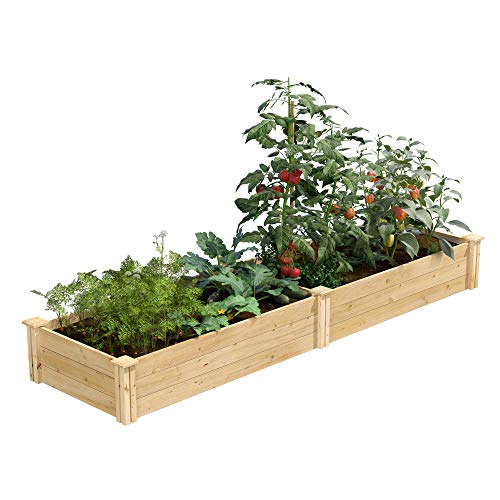
🪵 Solid American Cedar: Crafted from untreated 100% solid American cedar boards, it is ideal for growing vegetables, herbs, and flowers.
Coastal White Picket Border Beds for Narrow Yards

Along a narrow yard, a coastal white picket border bed can turn a tight strip of land into a productive growing space. You’ll want salt tolerant plantings like kale and herbs, and they’ll thrive beautifully here.
Keep a clear narrow path maintenance routine, and you’ll easily reach every plant without trampling your garden. An electric pressure washer can make quick work of cleaning your white picket fence and keeping it looking crisp through every growing season.
Recommended Products

Wooden Picket Fence Decoration --- SIZE INFORMATION: The height of small garden fence is 11.8 inches/ 30 cm, 47.2inches/ 120cm in total length, enough to meet the needs for your decorating, the fence is easy to assemble, can be folded when not needed, save your space

【Size】Single piece measures 22" wide x 18" high, pack of 5 panels, totally 9.17 feet long, 0.4 inch thickness.

Rustproof & Durable: Make your outdoor space a charming oasis with our garden fencing. The garden border fence features an arched design and is coated with black rust-resistant material to ensure durability and making it able to withstand outdoor conditions such as exposure to sun and wind
The Geometric Grid Garden With Gravel Pathways

Dividing your small yard into a geometric grid can transform even the tightest space into an organized, productive garden. Use gravel pathways between planting squares, and add mosaic steppingstones for charm and function.
You’ll keep mud off your boots, and succulent borders along the edges save water while defining each grid section beautifully. Once the sun sets, garden pathway lights placed along your gravel walkways ensure the space remains both safe and visually stunning after dark.
Shingle-Style Fencing as a Backdrop for Vertical Beds

Behind your vertical beds, shingle-style fencing adds both beauty and structure to a small garden space. You can attach climbing lattice directly to shingle panels, and this gives your plants a sturdy surface to grow upward.
It saves ground space while creating a charming, layered look. Your small garden feels purposeful and full. Placing outdoor copper planters at the base of your vertical beds adds a warm, elegant accent that complements the natural tones of shingle-style fencing beautifully.
Compact Tiered Raised Beds With Weathered Cedar

Stepping up from flat ground, compact tiered raised beds made from weathered cedar give your small garden a smart, structured look.
Each tier holds different crops, so you’ll maximize space efficiently.
Cedar maintenance is simple—just let it age naturally.
Plan your shade carefully, placing taller tiers where they won’t block sunlight from shorter beds below.
For a sleek modern contrast alongside your cedar beds, consider incorporating a stainless steel planter box to add durability and a polished aesthetic to your garden layout.
Recommended Products

3-Tier Design: Offers 3 levels for planting, this raised beds for gardening provides varied depths to suit different crops. Perfect for cultivating vegetables, herbs, and flowers.
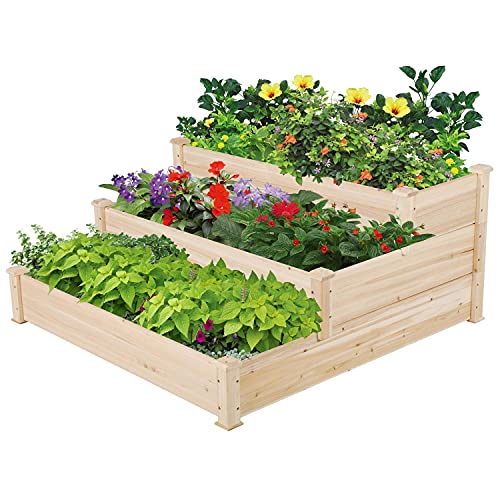
【Selected Materials】Made of natural fir wood without painting, this garden bed for horticulture is well sanded to ensure safe use. The 0.6" thick solid wood boards fixed by metal hardware are ready for long-term use.

3-Tier Structure: This trapezoidal planter offers a 3-tier design with different depths, perfect for planting vegetables, herbs, and flowers while creating an attractive, compact garden area.
The Courtyard Parterre Layout for Tiny Backyards

While tiered raised beds stack your growing space upward, a courtyard parterre layout spreads it outward in a very different way.
You arrange small, geometric planting sections around a central path, and your courtyard microclimate stays warmer and sheltered.
Parterre maintenance stays simple because each section stays small and reachable, so you’ll spend less time weeding and more time harvesting.
To extend your growing season into darker months, LED grow light panels can supplement natural sunlight across each geometric section without overwhelming your compact courtyard layout.
Blue-Grey Painted Beds With Climbing Bean Trellises

Blue-grey painted beds bring a calm, polished look to any small garden space.
You can add heirloom trellising along the back wall, and shade tolerant climbers like beans will grow upward beautifully.
Paint your beds in soft blue-grey tones, then install simple wooden trellises. This setup saves ground space and keeps your garden tidy. For a more durable and weather-resistant option, consider building your raised beds from cedar deck planters that naturally resist rot and complement the blue-grey painted aesthetic.
A Strip Garden Along a Fence Line That Actually Works

A fence line is one of the most overlooked spots in a small garden, but it can grow a surprising amount of food.
You’ll want to focus on soil optimization by adding compost directly into that narrow strip.
Fences also help with microclimate management, blocking wind and holding warmth, so your plants stay productive longer.
Adding privacy fence screens along your garden boundary can further shield plants from harsh winds while also giving you more planting surface to work with.
Boxwood-Edged Vegetable Beds for a Formal Hamptons Feel

Fence strips keep things casual and productive, but sometimes you want your vegetable garden to look a little more polished.
Boxwood edging creates clean, formal borders around your vegetable beds, and it gives your garden a classic Hamptons structure. Boxwood maintenance is simple—just trim it twice yearly.
Formal edging defines each bed clearly, so your vegetables grow organized and tidy. Planting your boxwood-edged beds alongside premium terracotta pots adds a refined, cohesive aesthetic that elevates the entire garden space.
The L-Shaped Corner Bed That Maximizes Wasted Space

Corner spots in your yard often go to waste, but an L-shaped bed turns that dead space into productive growing area.
Corner maximization works by filling that wasted nook with two connected rows. You’ll want taller plants on the shadier side for shade optimization. Try angled planting to soften the bed’s edges beautifully. A stainless steel potting bench provides a durable, weather-resistant workspace perfectly suited for prepping seedlings destined for your L-shaped corner beds.
White-Framed Raised Beds With Oyster Shell Mulch Paths

Once you’ve made the most of your corner space, raised beds with white frames and oyster shell paths can bring real charm to any small yard.
White framed aesthetics keep things looking clean and bright. Oyster shell pathways reflect light and drain well, so your feet stay dry.
Paint cedar boards white and fill paths with crushed shells for an easy, polished finish. For a more durable alternative, metal raised beds resist rot and hold their shape season after season.
The Symmetrical Twin-Bed Layout for Narrow Side Yards

Narrow side yards can really open up when you lay out two raised beds side by side in a symmetrical pattern.
Keep narrow pathways between them clear and accessible.
Try symmetrical planting with shade tolerant varieties on darker sides, and use seed succession to keep harvests coming.
You’ll maximize every inch beautifully.
An outdoor potting table can help you organize your planting supplies and keep your narrow side yard workflow tidy and efficient.
Espalier Walls for Growing Vertically in Small Spaces

Espalier training turns a bare fence or wall into a productive growing space. You’ll flatten fruit varieties like apples and pears against a surface, and they’ll thrive with regular espalier maintenance, including pruning and tying.
This method saves ground space while maximizing sunlight exposure. Your Hamptons side yard becomes surprisingly productive with this smart vertical approach.
A Single Raised Bed Design That Looks Like a Feature

While vertical growing on walls is a great space-saver, a single raised bed can pull double duty as both a garden and a design feature.
You can create a coastal focal point using timber or stone, and sculpted planting with herbs and vegetables adds real visual interest.
It’s functional, it’s beautiful, and it works hard for you.
Driftwood Accents and Natural Stone in Small Veggie Gardens

Driftwood and natural stone can bring a lot of character to a small veggie garden without taking up extra space. You can place a piece of weathered driftwood along a bed edge, and it’ll look intentional and polished.
Tuck natural stone between plants as a border, and you’ll add texture while keeping weeds down naturally.
The Container Cluster Layout for Patios and Hard Surfaces

Natural stone and driftwood work beautifully in garden beds, but not every gardener has ground space to work with. You can cluster containers on your patio and grow patio microgreens alongside tomatoes and herbs.
Group pots tightly together, and set up container irrigation to keep watering simple. Your harvest stays manageable and beautiful.
Mix Edibles and Ornamentals the Hamptons Way

Mixing edibles and ornamentals gives your small garden a polished, Hamptons-style look. Create herb mosaics by planting basil, thyme, and sage alongside flowering plants like lavender. You’ll add beauty and function at once.
Tuck pollinator pockets into corners with marigolds and herbs, and you’ll attract helpful insects that boost your vegetable harvest naturally.
Frequently Asked Questions
What Soil Mix Works Best for Hamptons-Style Vegetable Gardens?
You’ll want to blend sandy loam with generous amounts of organic compost. This combination guarantees excellent drainage while retaining nutrients, giving your vegetables the ideal foundation they need to thrive beautifully.
How Much Does a Hamptons Vegetable Garden Layout Typically Cost?
Like a Roman centurion investing in fortifications, you’ll spend $2,000–$10,000 on installation costs. Ongoing expenses run $500–$1,500 annually. Your small-space Hamptons layout doesn’t have to break the bank!
Which Vegetables Grow Best in the Hamptons Climate?
You’ll thrive growing tomato varieties like heirlooms and cherry types, plus lettuce mixes, peppers, zucchini, and herbs. The Hamptons’ temperate summers and rich soil make these vegetables particularly productive in your garden.
Do Hamptons Garden Layouts Require Professional Landscapers to Install?
You don’t need professional installers for your garden layout. You can handle it yourself, especially if you attend DIY workshops that teach planting techniques, spacing, and soil preparation tailored to your specific small space needs.
How Do I Maintain a Hamptons Garden Through Harsh Winter Months?
You’ll protect your Hamptons garden through harsh winters by performing winter pruning on dormant plants and applying salt mitigation strategies, like rinsing foliage regularly to combat coastal salt spray damage effectively.
Conclusion
You don’t need a sprawling estate to grow beautiful, productive food. Picture sun-warmed tomatoes climbing a weathered cedar trellis, and salt-tolerant herbs spilling over oyster-shell paths. Each layout in this guide gives you a real starting point, so you can match your space, budget, and style. Pick one design, gather your materials, and start building your own coastal kitchen garden today.


