


To grow peanuts successfully, you’ll need full sun and well-drained sandy loam soil with a pH of 6.0-6.5. Plant seeds 2 inches deep and 4-6 inches apart after the last spring frost when soil reaches 65-70°F. Guarantee a 120-150 day frost-free growing period and water consistently (about 1 inch weekly). Add calcium at planting time but avoid nitrogen fertilizers. Your plants will be ready to harvest when leaves yellow, typically 120 days after planting. The secrets to maximum yields await below.
Key Takeaways
- Plant peanuts in sandy loam soil with pH 6.0-6.5 after the last frost when soil temperature reaches 65-70°F.
- Ensure plants receive full sun exposure (8+ hours daily) and require a 120-150 day frost-free growing period.
- Space seeds 4-6 inches apart in rows 3 feet apart, planting them 2 inches deep.
- Provide 1 inch of water weekly, increasing during flowering and pegging stages for optimal pod development.
- Harvest when leaves yellow and pods darken, typically 120 days after planting, then cure for 2-3 weeks.
Selecting the Perfect Growing Site for Peanuts

When you’re planning to grow peanuts, finding the right spot is vital for success. Your peanuts need full sun exposure for at least eight hours daily to achieve ideal growth.
Choose a location with sandy loam soil that’s well-drained and slightly acidic, with a pH between 6.0 and 6.5.
Make sure your planting site has been frost-free for 120 to 150 days. You’ll want to plant after the last frost, typically between April and May.
Good air circulation is essential to prevent diseases, so select an area with minimal humidity and good airflow.
When it comes to spacing, plant your peanuts 4 to 6 inches apart in rows that are 3 feet apart. This gives each plant enough room to develop properly.
When and How to Plant Peanut Seeds

Springtime offers the perfect moment for planting your peanut seeds for a successful harvest. Wait until after the last frost when soil temperatures reach between 65°F and 70°F, typically in April or May. Your planting location should receive at least eight hours of full sun daily.
Peanut plants start best in sandy loam soil with proper soil pH. Sow seeds about 2 inches deep and space them 4 to 6 inches apart. Keep rows 3 feet apart so plants have room to grow. Remember to amend the soil with calcium at planting time.
You’ll want to avoid nitrogen fertilizers unless you’re using a peanut inoculant. Water the planted area consistently, aiming for about 1 inch weekly. This keeps the soil moist during critical growth periods and helps your peanuts develop properly.
Recommended Products


Spanish Peanut Seeds offer a compact, heirloom variety celebrated for its bold flavor and traditional appeal. These peanuts produce small, high-oil nuts that are perfect for roasting, snacking, and homemade peanut butter. A great choice for gardeners seeking a productive, easy-to-grow crop with culinary versatility.

Growing Carolina African Runner Peanuts is both rewarding and simple, ideal for gardeners looking to cultivate a piece of history. The plants require full sun and loose, sandy soil for optimal development, with peanuts forming underground as the plant matures. With proper care, you'll enjoy a plentiful harvest of these flavorful peanuts in just a few months.
Essential Soil Preparation and Amendments

Successful peanut growing begins with proper soil preparation before you plant a single seed. Peanuts thrive in sandy loam that’s well-drained and slightly acidic. You’ll want to aim for a pH between 6.0 and 6.5. Get a soil test done in fall or winter to check your garden’s needs.
In spring, till your soil 8-12 inches deep to create a loose seedbed for those developing roots. Your peanuts will need several key amendments:
- Limestone to adjust pH (apply 2-3 months before planting)
- Calcium at planting time for healthy pod development
- Bacterial inoculant to boost nitrogen fixation in new areas
- Phosphorus and potassium based on your soil test results
Avoid fertilizer burn by mixing amendments well into the soil before seeding.
Recommended Products

OMRI Listed - Cz Dolomite Lime is an All-Natural mineral fertilizer listed by the Organic Materials Review Institute (OMRI). It may be used in certified organic production or food processing and handling according to the USDA National Organic Program regulations. (OMRI Certified 2024)
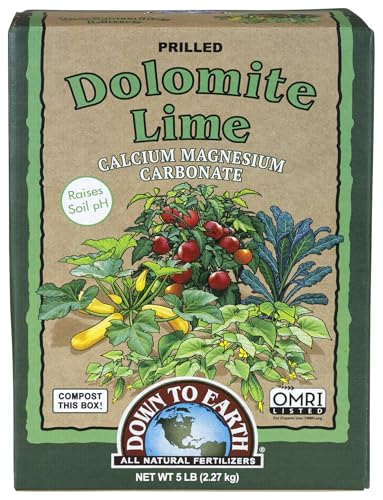
Raises Soil pH Naturally: Helps correct acidic soils for optimal nutrient uptake.

Package contains 6 pounds organic soil de-acidifier grains and is produced to avoid wasteful runoff, mess, hazards and smells
Watering and Maintenance Requirements

With your soil properly prepared, you’ll need to focus on keeping your peanut plants properly watered throughout the growing season. Peanuts require about 1 inch of water weekly to thrive.
You should maintain consistent soil moisture without letting the ground become soggy or completely dry. During flowering and pegging stages, increase your watering schedule as these periods are vital for pod development and future crop yield.
Adding mulch around your peanut plants helps retain soil moisture and keeps weeds at bay. The mulch also regulates soil temperature, creating ideal growing conditions.
Keep an eye on weather conditions, especially as harvest approaches. Too much humidity before harvest can damage your peanuts and reduce quality.
Proper irrigation and maintenance throughout the season will reward you with healthy, productive plants.
Managing Common Pests and Diseases

Even the healthiest peanut gardens can face unwelcome visitors in the form of pests and diseases.
You’ll need to check your peanut plants regularly for aphids, caterpillars, and other insect pests that munch on leaves. Leaf spot disease, with its telltale yellow halos around dark spots, can also reduce your harvest if left untreated.
Effective pest management doesn’t have to be complicated.
Try these proven strategies:
- Rotate crops yearly to break pest life cycles
- Choose resistant varieties when planting new peanuts
- Apply fungicides during critical growth periods if leaf spot appears
- Use mesh covers to protect plants from squirrels and chipmunks
Good sanitation matters too.
Remove plant debris after harvest to prevent diseases from overwintering in your garden soil.
Recommended Products

Protect plants from insect damage with Systemic Houseplant Insect Control Granules from Bonide; this product is a low odor ready-to-use solution for containerized plants

KILLS BY CONTACT: Fungus gnat killer for listed insects, such as Aphids, Whiteflies, Lace Bugs and more

Plant-Based Pest Protection: Helps protect plants from common pests including gnats, spider mites, aphids, fungus issues, and other plant-damaging insects using plant-based ingredients.
Harvesting Techniques for Maximum Yield

Knowing when to harvest your peanuts can make all the difference in your final yield. Start checking for peanut maturity around 120 days after planting. You’ll notice yellowing leaves and darkening pod interiors when peanuts are ready.
| Stage | Visual Indicators | Action Required |
|---|---|---|
| Pre-harvest | Yellowing foliage | Begin sample testing |
| Testing | 65% dark hull interiors | Prepare for harvest |
| Harvesting | Plants loosened from soil | Carefully lift entire plant |
| Curing | Plants partially dried | Store in cool, dry area |
To harvest peanuts properly, carefully loosen the soil around each plant. This prevents damage to the taproot and guarantees maximum yield. Lift the entire plant and let it dry in the sun for about a week. Then cure your harvest for 2-3 weeks in a cool, dry place to preserve quality.
Drying and Curing Your Peanut Crop

Once you’ve harvested your peanut plants, proper drying and curing becomes essential to preserve their quality and flavor.
Proper drying and curing after harvest ensures your peanuts maintain their quality and distinctive flavor profile.
Hang the entire peanut plants upside down in a warm spot with good air circulation. This helps reduce moisture content and prevents mold growth during the curing process.
Follow these steps for successful curing:
- Expose harvested plants to sunlight for initial drying
- Hang plants upside down for about one week in a dry location
- Monitor pods regularly for signs of mold or rot
- Remove and discard any affected pods immediately
The curing period allows flavors to develop fully while properly preparing your harvest for storage.
After curing, shake off excess soil from the pods and store them in a cool, dry place. You’ll enjoy quality peanuts for months to come!
Growing Peanuts in Containers and Small Spaces

Limited outdoor space doesn’t mean you can’t enjoy growing your own peanuts. Choose pots that are 18-20 inches wide and 18 inches deep with drainage holes.
You’ll need to plant raw, uncooked peanuts 1-2 inches deep and 4-6 inches apart in the center of your container.
Peanuts need at least eight hours of full sun daily for proper development. Keep the soil moist but never soggy, as this promotes good air circulation around the base of the plant.
When seedlings reach 4-6 inches tall, thin them to one healthy plant per container.
Container growth offers excellent weed control and flexibility. Your peanuts will be ready 120-150 days from planting, depending on the variety.
Remember to grow peanuts as annuals and replant each spring for best results.
Frequently Asked Questions
Why Is Growing Peanuts Illegal in the US?
Growing peanuts isn’t actually illegal in the US. You’re free to grow them with proper permits.
The confusion comes from the quota system that was in place for many years. This system limited who could commercially grow peanuts and how much they could produce.
Today’s regulations are more relaxed, but you’ll still need to follow USDA guidelines if you’re planning to sell your peanuts commercially.
How to Care for a Peanut Plant?
Like a sunbather at the beach, your peanut plant craves 8 hours of daily sunshine.
Plant it in loose, well-drained soil with a pH of 6.0-6.5. You’ll need to water it weekly with about 1 inch of moisture.
Add calcium to the soil when planting, but skip nitrogen fertilizers. Watch for pests like armyworms and protect your plants with mesh covers.
After 40 days, the plants will start forming pods, so maintain consistent soil moisture.
How Long Does It Take for a Peanut Plant to Grow Peanuts?
You’ll need patience for your peanut plants to produce. They typically take 120-150 days from planting to harvest maturity.
Flowering starts around 40 days after planting, and then the plants develop “pegs” that grow into the soil. These pegs will form pods containing peanuts over the next few months.
You’ll know they’re ready when the foliage turns yellow and the pods show veined surfaces.
What Not to Plant Peanuts Next To?
Looking to grow healthy peanuts in your garden? Avoid planting them next to other legumes like beans and peas. They’ll compete for the same nutrients.
Don’t place peanuts near sunflowers, which attract harmful pests like the sunflower moth.
Keep them away from corn too, as they share similar pests.
Plants that need high nitrogen, such as tomatoes, don’t make good neighbors because they compete with peanuts’ root systems for water and nutrients.
Conclusion
You’re now equipped to grow delicious peanuts in your garden. Like tiny treasures waiting beneath the soil, these versatile legumes will reward your patience and care. Remember to select sunny spots, provide consistent moisture, and watch for flowering as your signal to harvest. Whether you’re using containers or garden beds, peanuts offer a rewarding growing experience that connects you to centuries of agricultural tradition.


