


You’ll discover seventeen creative ways to design a cactus garden that saves water and looks stunning year-round. These drought-tolerant landscapes combine practical benefits with modern style, and you can adapt them to fit any outdoor space you have available. Whether you’re working with containers on a patio or transforming an entire yard, each idea offers unique visual appeal and easy maintenance. From geometric arrangements to nighttime lighting displays, these approaches will transform how you think about desert plants.
Key Takeaways
- Geometric container gardens with square or hexagonal planters showcase tall columnar cacti paired with rounded varieties for modern architectural impact.
- Vertical living walls maximize space using mounted cacti and trailing succulents in frames with drip irrigation for easy maintenance.
- Desert rockscapes combine native stones as pathways with varied cacti, creating authentic low-maintenance landscapes with visual interest.
- Colorful flowering cactus gardens feature hedgehog, prickly pear, and torch cacti grouped by color for vibrant spring-to-fall blooms.
- Terraced solutions transform sloped yards using retaining walls and drip irrigation to create microclimates for diverse drought-tolerant species.
Geometric Container Garden With Mixed Cacti Heights

A geometric container brings modern style to your cactus display.
You’ll find that square, hexagonal, or triangular planters create striking visual interest. Choose container materials like concrete, metal, or ceramic for durability and clean lines.
Pair tall columnar cacti with medium-sized rounded varieties for balance. You can add low-growing species at the base to complete the arrangement. This layering technique draws the eye upward while filling the container completely.
Geometric designs work especially well on patios, decks, or entryways where you want architectural impact.
Stone resin planters offer excellent durability and a sophisticated aesthetic that complements modern cactus gardens while providing superior drainage and weather resistance.
Remember to use well-draining soil and position containers in full sun.
Recommended Products

Size&Weight: Mold Size(DIAxH): 8.9x7.2cm/3.5x2.8in,Mold Weight: 92g/3.2oz.(Please note:we only sell silicone mold)

Imperfectly Beautiful - Please Understand Each Planter will have its own Unique Marks, Shadings & Imperfections while Maintaining a Smooth Unglazed Finish. Plants NOT Included.

Size&Weight: Mold Size: 15x15x6.5cm/5.9x5.9x2.56in, Product Finished Size: 14.8x14.8x5.8cm/5.8x5.8x2.3in, Mold Weight: 156g/5.5oz.(Please note: we only sell silicone mold)
Desert Rockscape With Native Stone Pathways

By incorporating native stone pathways, you’ll create an authentic desert landscape in your garden.
Desert aesthetics come alive when you arrange larger rocks alongside smaller ones. Place flat stones as stepping paths between your cacti. This protects plant roots from foot traffic.
Choose stones in varying shades of tan, gray, and rust. Stone textures add visual interest throughout your garden. Arrange rocks in natural-looking clusters rather than straight lines.
Leave open spaces between stones for desert plants to grow. You’ll achieve a realistic look that requires minimal maintenance and celebrates the beauty of arid environments. Consider using outdoor gravel stabilizers to keep your stone pathways intact and prevent shifting over time.
Recommended Products


SmartYeen stepping stones super value pack,include 8-pack high quality balance stones in bright colors,designed for kids coordination play.

Minimalist Japanese-Inspired Zen Garden With Columnar Cacti

While desert rockscapes highlight ruggedness, Japanese-inspired zen gardens bring calm to your cactus collection.
You’ll create zen tranquility by placing tall columnar cacti as living sculptures in raked gravel. Space them carefully to emphasize their columnar elegance and vertical lines. Use white pebbles or decomposed granite for your base, and rake simple patterns around each plant.
Add flat stones as stepping paths through the space. This design works because it combines water-wise cacti with mindful Japanese principles, and the result feels peaceful yet practical.
You’re blending two drought-tolerant traditions into one serene outdoor space. Consider building your zen garden foundation with cedar raised garden kits to create defined planting areas that enhance the minimalist aesthetic.
Vertical Living Wall of Hanging and Mounted Succulents

Limited ground space shouldn’t stop you from growing cacti and succulents. You can create stunning vertical gardens on walls or fences.
Mount individual plants in wooden frames or specialized planters. Arrange them in patterns that highlight your mounted plant aesthetics. Choose trailing varieties like string of pearls for cascading effects.
Install a drip irrigation system to simplify vertical succulent maintenance. Water less frequently than ground plants since drainage happens quickly.
Rotate mounted specimens occasionally to guarantee even sun exposure, and your plants will stay healthy and balanced throughout the growing season. A vertical garden tower provides an excellent alternative for maximizing growing space while maintaining the aesthetic appeal of your landscape design.
Recommended Products
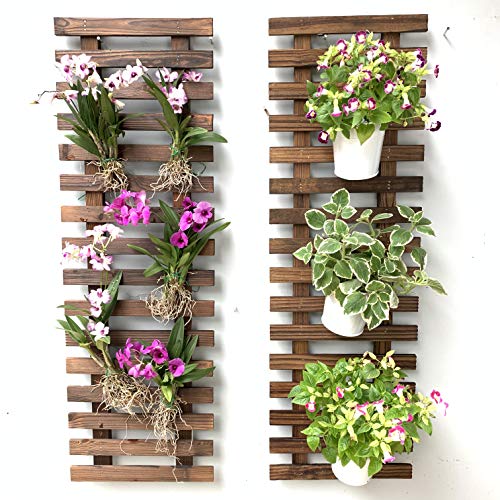
29x90m (11.4" x 35.4") x 2 pcs. Plants, flowers, pots, decorations are NOT included

Enough Planting Space: According to most of the buyers' suggestions for improvement, the number of pockets in the hanging planter has been changed from 7 to 6, which increases the growing space in each pocket, and provide a better growing environment for the plants to grow more vibrantly.

【You will get】Size: 11.4"W x 15.7"H (2 Pcs)丨(Plants, flowers, pots & decor not included.) Material & Color: Premium solid wood (no particle board), carbonized for a rich dark brown finish, enhanced durability, and striking natural grain.
Moonlight Garden Featuring Silver and Blue-Toned Varieties

Something magical happens when you plant cacti in silvery blues and grays together. They create a moonlight ambiance that glows beautifully after sunset. Your garden will shimmer with an ethereal quality day and night.
Choose blue barrel cacti and silvery prickly pears for texture contrast. The silver foliage reflects available light, making your space feel larger and brighter. Add moon cacti with pale crowns for focal points.
Plant these varieties in clusters of three or five. They’ll thrive in full sun and need minimal water once established. To maintain optimal hydration in your drought-tolerant garden, consider installing a smart watering system that automates irrigation schedules.
This color scheme works exceptionally well in contemporary landscapes, and it photographs beautifully during twilight hours.
Mediterranean Courtyard Blend With Cacti and Olive Trees

When you combine cacti with olive trees, you’ll create an authentic Mediterranean atmosphere that feels both exotic and inviting. This olive tree integration works beautifully because both plants thrive in similar conditions.
Place columnar cacti near potted olive trees for vertical interest. Mediterranean aesthetics shine when you add terracotta containers and gravel pathways. The silvery-green olive foliage contrasts nicely with bold cactus forms, and this pairing requires minimal water once established.
You can arrange flat-pad opuntias around olive tree bases, creating layered texture while maintaining that classic courtyard feel that’s both practical and visually appealing. Consider using outdoor vertical planters to maximize your garden space while showcasing your cacti collection in a modern, efficient way.
Rainbow Color Garden Using Flowering Cactus Species

Your flowering cactus collection can showcase vibrant blooms from spring through fall if you select the right species.
Plant pink-flowered hedgehog cacti alongside yellow prickly pears for stunning contrast. Add orange torch cacti and purple beaver tail varieties to complete your colorful cactus arrangements.
These flowering cactus varieties need full sun and well-draining soil to thrive. Space them 18-24 inches apart for proper air circulation. Water deeply every two weeks during growing season, and your rainbow display will reward you with continuous color.
Group same-colored varieties in clusters of three for maximum visual impact.
Consider organizing your cactus garden in metal raised beds to ensure excellent drainage and create defined planting zones.
Miniature Desert Ecosystem in Raised Steel Planters

Steel planters create the perfect contained environment for a miniature desert landscape.
You’ll design miniature ecosystems that showcase desert beauty on patios or balconies. Fill the bottom with gravel for drainage before adding sandy soil.
Plant small barrel cacti alongside prickly pears and agave pups for varied textures. Add decorative rocks and sand to mimic natural desert floors, and you’re practicing sustainable gardening with minimal water needs.
The raised height protects plants from ground moisture while improving visibility. These self-contained gardens require watering just once or twice monthly, making them ideal for busy lifestyles and water-conscious landscapes. For a more refined aesthetic, consider upgrading to outdoor copper planters that combine durability with elegant design.
Dramatic Entry Statement With Towering Saguaro Specimens

Although saguaro cacti grow slowly, their architectural presence transforms any entrance into a showstopping focal point.
You’ll create an unforgettable first impression with these towering giants. Plant one mature specimen on either side of your driveway or walkway, and you’ll frame your entrance beautifully.
The distinctive saguaro silhouette stands out dramatically against modern architecture and desert skies, especially during sunset hours.
Position these cacti where they’ll receive full sun throughout the day, and they’ll thrive with minimal water requirements.
Your entryway focal point will command attention while remaining completely drought-tolerant and low-maintenance for years ahead.
Pair your saguaro specimens with stylish oversized planters to create a cohesive, sophisticated outdoor display that complements your modern landscape design.
Terraced Hillside Garden With Cascading Ground Cover Succulents

Transforming a sloped yard into a terraced cactus garden solves erosion problems while creating stunning visual layers.
You’ll build retaining walls at different heights to hold soil and plants securely in place. Install drip hillside irrigation on each level because water runs downhill quickly and plants need consistent moisture.
Choose low-growing succulents like sedum, ice plant, and trailing portulaca for cascading color that spills over terrace edges. These ground covers spread naturally to fill gaps between larger cacti specimens.
Your terraced design creates microclimates where different species thrive at various elevations and sun exposures. Consider installing rainwater harvesting kits on your terraced garden to capture runoff and reduce your overall water consumption while maintaining healthy plants.
Modern Fire Pit Surround With Heat-Tolerant Arrangements

Creating a gathering space around your fire pit becomes safer and more beautiful when you surround it with heat-resistant cacti and succulents.
Your fire pit design should include plants positioned at least three feet from the flames. Agave, prickly pear, and barrel cacti work exceptionally well because they tolerate high temperatures and require minimal watering.
These heat resistant plants won’t dry out or become fire hazards like traditional landscaping materials.
You’ll want to arrange larger specimens as focal points, then fill gaps with smaller varieties. This creates visual interest while maintaining safe clearances for evening gatherings.
For composting the organic matter from your landscape maintenance, a stainless steel compost bin will keep your yard tidy while creating nutrient-rich soil amendment.
Gravel Garden Border Replacing Traditional Lawn Edges

When you replace grass edges with gravel borders, you’ll save hours of trimming work each month.
Gravel texture adds visual interest while creating clear separation between your cactus beds and pathways. Choose border materials like decorative river rock or crushed granite in earth tones that complement your desert plants.
You’ll need landscape fabric underneath to prevent weeds from sprouting through the stones. Install metal or plastic edging first to keep gravel contained and maintain clean lines. A three-inch depth provides adequate coverage, and you won’t need to water or maintain these borders like traditional grass edging. For watering your garden beds efficiently, consider installing a brass garden hose splitter to direct water to multiple zones simultaneously.
Shaded Patio Corner With Low-Light Tolerant Varieties

Your shaded patio corner doesn’t have to remain empty just because it lacks direct sunlight. Several cacti actually prefer filtered light and will flourish near your shaded seating areas.
Christmas cacti and orchid cacti are excellent low light varieties that adapt well to covered patios. These plants develop fuller growth when protected from intense afternoon sun.
Place them in decorative containers along walls or beneath overhangs where they’ll receive bright, indirect light. You’ll create a green retreat that stays comfortable year-round.
Water these shade-loving cacti more frequently than their desert cousins since they naturally grow in forest environments. Monitor moisture levels with a digital plant humidity meter to ensure optimal growing conditions for these shade-tolerant varieties.
Artistic Driftwood and Cactus Sculpture Combinations

While potted cacti bring natural beauty to your space, pairing them with weathered driftwood creates stunning focal points that blend artistry with living plants.
You can position tall pieces vertically behind columnar cacti to add height and visual interest. Horizontal driftwood works beautifully as a base for smaller barrel cacti and succulents.
These driftwood sculptures complement the organic shapes of your plants while adding texture contrast. Try creating artistic arrangements by grouping three different cactus sizes around one statement piece of driftwood.
The weathered wood’s gray tones enhance the green hues of your cacti, and this combination requires minimal maintenance. For additional outdoor illumination during evening hours, consider incorporating solar bug zappers to keep your garden spaces pest-free while maintaining the natural aesthetic.
Water-Harvesting Swale Lined With Drought-Resistant Plantings

Because rainwater runoff often goes to waste in traditional gardens, a water-harvesting swale transforms your landscape into a smart collection system.
Your swale design should follow natural contours and create gentle depressions. These shallow channels slow water flow and allow moisture to soak deeply into soil.
Plant selection matters for maximum water efficiency and visual appeal. Line your swale with barrel cacti, agave, and prickly pear varieties. Add native grasses along edges to stabilize soil and filter runoff.
This combination captures precious rainfall while creating a lush desert display that thrives without supplemental irrigation. Consider pairing your swale design with a garden storage bench to store tools and supplies needed for ongoing landscape maintenance.
Nighttime Showcase Garden With Strategic Uplighting

When darkness falls, cacti become living sculptures worth celebrating with thoughtful lighting design.
Position LED fixtures at ground level to shine upward on tall saguaros and columnar varieties. This creates dramatic shadows and highlights their unique textures.
Uplighting techniques work especially well for barrel cacti and agaves, emphasizing their geometric forms against dark backgrounds. You’ll want to angle lights at 30 to 45 degrees for the best effect.
Warm white bulbs create inviting nighttime ambiance without washing out colors.
Space fixtures three to five feet from each plant to avoid harsh glare and achieve balanced illumination throughout your garden.
Children’s Sensory Garden With Safe, Spineless Selections

Cactus gardens can work beautifully for families with young children if you choose the right varieties. Select spineless species like Astrophytum asterias or certain Opuntia cultivars that lack sharp spines.
These safe cacti allow for sensory exploration without injury concerns. Kids can touch fuzzy areoles and observe fascinating textures up close. Plant them at child height in accessible containers or raised beds, and you’ll create an engaging learning space.
Combine different shapes and sizes to spark curiosity about plant diversity. Label each variety with fun facts to encourage educational discovery while maintaining a completely safe environment.
Frequently Asked Questions
How Often Should I Water My Cactus Garden During Establishment?
During the establishment period, you’ll need to water your cactus garden weekly for the first month, then gradually reduce cactus watering frequency to every two weeks until roots develop, typically within three months.
What Soil Mix Is Best for Planting Cacti Outdoors?
You’ll need cactus soil that’s extremely gritty and fast-draining. Mix equal parts potting soil, coarse sand, and perlite or pumice to meet drainage requirements. This prevents root rot and mimics cacti’s natural desert environment perfectly.
Can Cacti Survive Freezing Winter Temperatures in Cold Climates?
Most cacti can’t survive freezing, but you’ll find cold hardy varieties like Opuntia tolerating -20°F. Without winter protection, 90% of non-hardy species die during harsh winters, so you’ll need proper coverage.
How Do I Safely Remove Cactus Spines From Skin?
Use tweezers or duct tape for spine removal, pulling in the growth direction. Clean the affected area with soap and water for proper skin care, then apply antiseptic to prevent infection and promote healing.
Do Cacti Need Fertilizer and How Often Should It Be Applied?
Yes, you’ll need to fertilize cacti during their growing season. Use low-nitrogen fertilizer types specifically formulated for cacti, as their nutrient requirements differ from other plants. Apply monthly from spring through summer, then stop during dormancy.
Conclusion
You’ve discovered seventeen incredible ways to transform your outdoor space. These cactus gardens practically design themselves once you choose your favorite style. Start small with a container garden, or go bold with a full desert landscape featuring native stones and dramatic lighting. Your new garden will thrive with minimal water and maintenance, and you’ll create a stunning space that reflects your personal taste while supporting our planet’s precious resources.


