


You can grow beautiful begonias in pots without watering them every single day. The secret lies in choosing varieties with built-in drought tolerance and setting up your containers the right way. Some begonias store water in their thick stems, while others have waxy leaves that lock in moisture. When you pair these smart plant choices with the proper soil mix and container style, you’ll spend less time with the hose and more time enjoying colorful blooms that thrive even when you forget to water.
Begonia Semperflorens: Wax Begonias That Forgive Missed Waterings

Wax begonias stand out as one of the most forgiving flowering plants you can grow in containers. Their thick leaf texture helps them store water between irrigations.
You won’t need to worry if you miss a watering day. These plants bounce back quickly after slight wilting, and their heat tolerance makes them perfect for sunny spots.
They’ll keep blooming even when conditions aren’t ideal, so you can enjoy continuous flowers without constant attention. Simply water them when the top inch of soil feels dry, and they’ll reward you with months of reliable color.
A stainless steel planter box can elevate your begonia display while providing excellent drainage and durability for outdoor growing.
Begonia Boliviensis: Cascading Drought-Resistant Blooms for Hanging Baskets

Boliviensis begonias offer even more drama with their trailing habit and tubular flowers.
These plants cascade beautifully over basket edges, creating living waterfalls of red, orange, or pink blooms. They’re a hummingbird magnet in outdoor spaces.
You’ll appreciate their drought tolerance between waterings. Their tuberous roots store moisture effectively, so they won’t wilt immediately when soil dries out.
Plant them in well-draining potting mix with added perlite. They prefer morning sun and afternoon shade in hot climates.
Feed them monthly during blooming season. Their cascading stems can reach 18 inches, making stunning vertical displays without demanding constant attention.
For indoor growing or supplementing natural light during shorter days, LED grow light panels can help maintain consistent blooming throughout the year.
Dragon Wing Begonias: Bold Color With Minimal Water Demands

Dragon Wing begonias consistently rank among the most forgiving container plants for busy gardeners.
You’ll notice their wing-shaped leaves create dramatic backdrops for continuous red or pink flowers.
These plants tolerate missed waterings better than traditional wax begonias because their fibrous roots store moisture efficiently.
Their shade performance remains excellent even in locations receiving only morning sun or filtered light throughout the day.
The abundant blooms also offer significant pollinator attractiveness, drawing butterflies and hummingbirds to your pots regularly.
You can expect reliable color from spring through fall with just weekly watering once established.
A stainless steel watering can makes these weekly maintenance sessions effortless and adds a touch of elegance to your gardening routine.
Tuberous Begonias: Built-In Water Storage for Extended Dry Spells

While Dragon Wings impress with their fibrous root systems, tuberous begonias take moisture storage to another level entirely. Their underground tubers act like natural water tanks. This tuber storage allows them to survive weeks without watering. The drought physiology works through specialized tissue that holds moisture reserves, and the plant draws from these reserves during dry periods. You’ll notice their thick stems contain extra water too. They’re perfect for busy gardeners who can’t maintain rigid watering schedules. For indoor container setups, an irrigation manifold can help distribute water evenly to multiple pots when you do water.
Water deeply when soil feels dry two inches down, then let the tubers do their job between waterings.
BabyWing Begonias: Compact Drought Tolerance for Small Spaces

BabyWing begonias pack impressive drought tolerance into their petite frames.
Their compact foliage makes them perfect for small containers and tight spaces.
You’ll appreciate how they thrive in partial shade while handling occasional dry periods.
These miniature plants won’t complain if you miss a watering session or two.
Their shade tolerance means you can tuck them into corners that other flowers might reject.
Water them when the soil feels dry an inch down, then let them rest.
They’re surprisingly resilient for such small plants, bouncing back quickly after brief drought stress without losing their cheerful blooms.
Consider storing your potting supplies and extra containers in a patio storage cabinet to keep your outdoor gardening area organized.
Begonia Sutherlandii: A Resilient Species for Hands-Off Container Care

Begonia sutherlandii consistently outperforms other begonias when neglect happens. This trailing species tolerates dry soil better than most varieties. You’ll notice its small orange flowers appear reliably through summer. It thrives in partial shade, and its shade preferences make it perfect for covered porches or under trees.
The tuberous roots store water during dry periods, so you won’t need constant watering schedules. Propagation methods include dividing tubers in spring or taking stem cuttings. You can start new plants easily and share them with friends. This begonia recovers quickly from wilting, bouncing back after you finally remember to water. When collecting plant debris or dead flowers from your begonia containers, a stainless steel compost bin keeps your gardening area tidy and helps you recycle organic matter back into soil nutrients.
Big Series Begonias: Oversized Flowers Without Daily Watering

Trailing varieties aren’t your only option for low-maintenance container gardening. Big Series begonias produce giant blooms that’ll brighten your pots without demanding constant attention.
These shade lovers thrive in morning sun and afternoon protection, so you won’t struggle with scorched leaves. Plant them in airy soil that drains well, and they’ll forgive occasional watering lapses.
Their flowers reach impressive sizes—up to six inches across—and they keep blooming even when you miss a day or two of watering. You’ll get spectacular results with minimal effort, making Big Series begonias perfect for busy gardeners who want low maintenance beauty. Choose large outdoor planters that provide enough room for these begonias to develop their impressive root systems and showcase their oversized blooms.
Begonia Grandis: Perennial Drought Tolerance That Returns Each Year

Unlike most begonias that need babying through winter, hardy begonias survive freezing temperatures and pop up again each spring.
Begonia grandis handles cold hardiness down to Zone 6, and it’ll return reliably without protection.
You’ll appreciate its shade preferences since it thrives in partial to full shade where other plants struggle.
The pink or white flowers appear in late summer and continue through fall.
Let the soil dry between waterings once established, and you won’t need to water constantly.
It spreads slowly through small bulbils that drop from leaf axils, creating a lovely colony over time.
Save space in your garden by composting spent foliage and plant debris in a large compost tumbler to create nutrient-rich soil for next season’s begonias.
Which Drought-Tolerant Begonia Matches Your Growing Conditions?

Your success with drought-tolerant begonias depends on matching the right variety to your space and light conditions.
Begonia grandis thrives in partial shade and handles morning sun well.
Rex begonias prefer bright indirect light and need protection from afternoon heat.
Consider your container’s location before choosing a variety.
Most drought-tolerant begonias have specific shade preferences that affect their water needs.
Plants in deeper shade require less frequent watering than those in brighter spots.
You’ll find seasonal pruning keeps your begonias compact and healthy.
Remove dead foliage in late winter, and your plants will reward you with vigorous spring growth.
For elevated displays that improve drainage and air circulation, consider using cedar deck planters that complement your begonias’ natural beauty.
Recommended Products


VIBRANT BEAUTY: Angel wing begonia with stunning torch red flowers that will brighten any garden or indoor space.

Fast-Growing & Low-Maintenance – Quickly establishes in gardens or containers with minimal care.
Container Setups That Double Time Between Waterings

The right container setup dramatically reduces how often you need water. Self-watering pots with built-in reservoirs extend moisture availability for days. Wick systems pull water upward from a bottom chamber, and your begonias access it as needed.
Insulated containers protect roots from heat stress that increases water loss. You can also place terracotta liners inside decorative pots to slow evaporation while maintaining airflow. Double-walled containers work similarly by creating an air gap that regulates temperature. These methods mean you’ll water every five to seven days instead of every two days, giving you more flexibility. When you do water, a wall mounted hose reel keeps your watering equipment organized and accessible without cluttering your garden space.
Recommended Products

Self Watering Planters for Indoor Plants: Double-layer design, cotton rope across inner pot absorbs water from bottom of the external pot to keep the soil moist. Stored water can feed plants for two weeks or more. Plant pots self watering makes your travel or business trip an big ease! Plants Not Included!
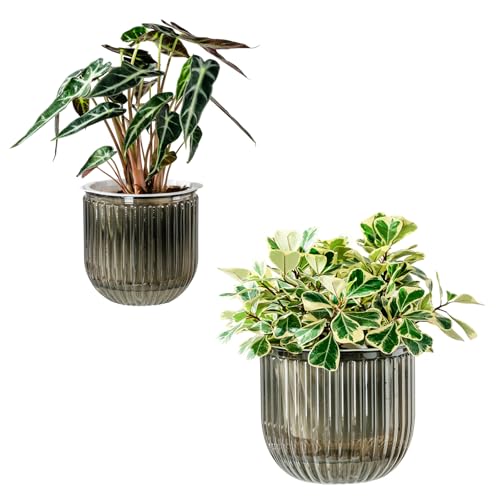
Self Watering Planters for Indoor Plants: Double-layer design, cotton rope across inner pot absorbs water from bottom of the external pot to keep the soil moist. Stored water can feed plants for two weeks or more. Plant pots self watering makes your travel or business trip an big ease! Plants Not Included!
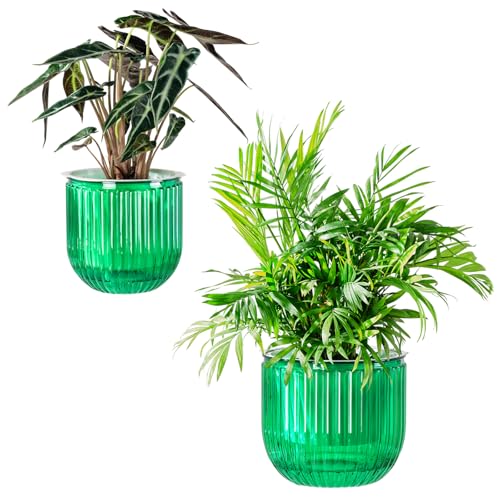
Self Watering Planters for Indoor Plants: Double-layer design, cotton rope across inner pot absorbs water from bottom of the external pot to keep the soil moist. Stored water can feed plants for two weeks or more. Plant pots self watering makes your travel or business trip an big ease! Plants Not Included!
The Two-Ingredient Soil Mix That Keeps Begonias Hydrated Longer

Even with smart containers, your soil choice matters just as much for water retention. Mix equal parts coconut coir with quality potting soil for best results. Coconut coir holds moisture three times longer than peat moss, and it won’t compact over time like traditional mixes. You’ll water less frequently while your begonias stay hydrated.
This combination also works perfectly with capillary matting systems if you decide to add one later. The coir creates air pockets that prevent root rot, so your plants get moisture without becoming waterlogged. It’s an affordable upgrade that makes a real difference.
Recommended Products

Small Body, Big Function: Each package includes 50pcs coco coir pellets, measuring 1.26 inches in diameter, 0.43 inches in height. After adding suitable water, 50pcs pellets will expand into about 3.96 qt fluffy potting soil for indoor plants like succulents, houseplants, flowers, herbs, and more

Includes 10lb block of Back to the Roots compressed Coconut Coir that expands to 51qt of potting soil. A balanced pH, which means it’s truly all-purpose. Use alone or as an amendment for anything in a pot or in the ground — vegetables, flowers, herbs, and even starting seeds.

Value Package: You will receive 50 pcs sustainable raw coco coir peat, sized 1.22 inches in diameter and height 0.5 inches; Coco coir potting soil is compressed into a compact small block that is easy to store; You just need to soak a few coco soil discs at a time depending on the plant
Frequently Asked Questions
Can Begonias Survive in Full Sun Without Frequent Watering?
No, you shouldn’t place begonias in full sun without frequent watering. They lack sufficient leaf scorch tolerance and require partial shade with consistent moisture. Direct sun exposure combined with infrequent watering will damage or kill them.
How Do I Revive a Begonia After Forgetting to Water It?
You’ll need to water thoroughly until drainage occurs, then move your plant to shade for recovery. Leaf revival typically takes several days. Consider soil amendment with peat moss to help retain moisture and prevent future wilting episodes.
Do Begonias Attract Pests When Grown in Dry Conditions?
You’ll notice stressed begonias actually attract more pests like spider mites and aphids. Dry conditions weaken their natural pest resistance and disrupt beneficial soil microbes, making your plants vulnerable to infestations you’d normally avoid.
Can I Propagate Drought-Tolerant Begonias From Cuttings Successfully?
Yes, you can successfully propagate drought-tolerant begonias using stem cuttings or leaf cuttings. You’ll need to keep the cuttings moist during rooting, then gradually acclimate them to drier conditions once they’re established.
Should I Fertilize Begonias Differently When Watering Less Often?
Yes, you’ll need to adjust your fertilizing approach. Use slow release granules in the soil since they’ll work with minimal moisture. Between waterings, apply diluted foliar feeding to supplement nutrients when the soil’s too dry for root absorption.
Conclusion
You’ve learned which begonias handle dry spells best and how to set them up for success. Now it’s time to stop putting all your eggs in one basket—mix several varieties to keep color going all season. Choose self-watering pots with coir-based soil for the longest stretches between drinks. Your begonias will reward you with blooms while you enjoy more free time and less worry.


