


A 6-foot spiral of creeping thyme in a Portland backyard draws visitors in without taking up much space. You don’t need a large yard to create a peaceful walking path that doubles as a garden feature. Mini labyrinths work on patios, slopes, and even rental spaces, and the right design makes all the difference. The ideas ahead cover every style, budget, and skill level.
Key Takeaways
- Mini garden labyrinths work in very small spaces, with tabletop designs starting at 2–4 feet and yard-sized versions reaching 10–12 feet wide.
- Materials range from low-cost gravel ($50–$150) to mid-range brick and stone paths ($200–$500), suiting various budgets and styles.
- Design styles include moss and stone, sand and stone, wildflower, ornamental grass, raised bed, and potted labyrinth installations for renters.
- Low-growing thyme makes an ideal ground cover between stepping stones, staying flat, releasing fragrance underfoot, and attracting pollinators seasonally.
- Sketch paths on grid paper, space stepping stones 18 inches apart, and keep turns wide enough for comfortable, unobstructed walking.
What Is a Mini Garden Labyrinth?

A mini garden labyrinth is a small, winding path design that you can create in your own backyard or outdoor space.
Unlike a maze, a mini labyrinth has one continuous route that leads you to the center and back out. Its origins meaning traces back thousands of years to spiritual and meditative practices.
You walk the sensory pathways slowly, noticing sounds, textures, and surroundings along the way. This walking meditation helps you clear your mind and reduces stress naturally.
You don’t need a large yard, and you don’t need any special skills to build one. Adding outdoor vertical planters along the labyrinth’s edges can beautifully frame the path while maximizing your planting space.
How Small Can a Garden Labyrinth Actually Be?

How small can a garden labyrinth actually get? You’d be surprised by its scale limits. Even a 4-foot-wide space works with the right design. Perception tricks like low borders and winding paths make small spaces feel larger.
Here are three size options to ponder:
- Tabletop size: 2–4 feet wide, using pebbles or moss
- Patio size: 6–8 feet wide, using bricks or stepping stones
- Yard size: 10–12 feet wide, using plants or mulch paths
You can always start small and expand later. Placing large outdoor planters along the labyrinth’s edges can help define boundaries while adding visual height and structure to even the tiniest designs.
What Will a Mini Garden Labyrinth Cost You?

Building a mini garden labyrinth doesn’t have to drain your wallet.
Installation costs vary widely, but a simple gravel path design can cost as little as $50 to $150. You’ll spend more on brick or stone, typically $200 to $500 for materials.
Start small and expand later.
Maintenance budgeting is straightforward since most labyrinths need only occasional weeding and path revitalizing. Set aside $20 to $50 annually for upkeep.
Choosing low-maintenance ground cover like thyme reduces long-term costs considerably.
For labyrinth paths that require minimal upkeep, decorative rubber mulch offers a durable and visually appealing alternative to traditional organic materials.
Your budget controls the outcome, so plan carefully and build confidently within your means.
Recommended Products

PREMIUM LANDSCAPING LOOK Enhance flower beds, pathways, gardens, and outdoor spaces with rich black rubber mulch designed to create a clean, modern, professional landscape appearance year-round.

Multifunction: The felt mulch pathway is mainly used for landscaping and gardening, which can be used as a decorative addition to your outdoor garden and as a weed barrier to help you reduce yard work.

Package Includes: you will receive 4 rolls of 8 x 2 ft permanent mule track mulch with 40 garden lawn pegs; The felt mulch walkway can be cut to any shape to fit nicely between two rows of flower beds
How to Map a Mini Garden Labyrinth in a Small Yard

Once your budget’s set, mapping your labyrinth is the next exciting step. Start with a scale drawing on paper, and measure your yard carefully first.
- Sketch your yard’s dimensions on grid paper.
- Do basic soil testing to check drainage and firmness.
- Draw your labyrinth path, keeping turns wide enough to walk comfortably.
Your drawing helps you spot problems before digging starts. Good soil testing prevents soggy, unstable paths later. Keep your design simple, and you’ll avoid costly mistakes. A clear map makes the whole building process smoother and more enjoyable. Consider incorporating metal raised beds along the edges of your labyrinth to define borders and improve soil control throughout the design.
The Best Materials for a Low-Maintenance Mini Garden Labyrinth

Choosing the right materials keeps your labyrinth looking great without constant upkeep. Permeable pavers work well because they let rainwater drain through, and they reduce puddles on your path. You can also use recycled materials like broken bricks or reclaimed stones, and these options save money while adding character.
Gravel paths stay low-maintenance because weeds struggle to grow through a good layer of it. Ground cover plants like creeping thyme fill gaps naturally, and they stay green with minimal watering. Pick materials that match your climate, and your labyrinth will stay beautiful for years. When it comes to watering those ground cover plants, an expandable heavy duty hose makes it easy to reach every corner of your labyrinth without dragging around a stiff, bulky hose.
Recommended Products
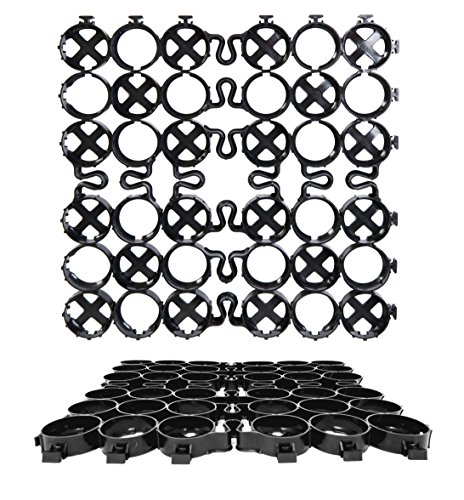
EASY TO USE: Our lightweight permeable pavers are easy for any level of DIYer to install; Feel proud of your own outdoor home improvements!

Package Contents: relish the simplicity of our value pack with 12 pieces of black permeable pavers; Our pavers are complete with snaps to seamlessly fit in with each other, ideal for usage in lawn patios, driveways, sidewalks and shed foundations; It's a value-for-money offering tailored for your exterior spaces

Strong permeable pavers are structured with 19.7 in. x 19.7 in.x 1.9 in. height (500x500x48 mm), cover 11 sf.(1 sm)
Classic Single-Path Pebble Mini Labyrinths for Tight Spaces

A classic single-path pebble labyrinth fits beautifully into tight spaces, and you don’t need a large yard to create one.
Pebble meditation feels calming, and compact symbolism makes even a small design meaningful. Try these three steps:
- Sketch a simple circular path on paper first.
- Outline your design with darker stones, then fill paths with lighter pebbles.
- Keep the center open for a small plant or stone.
You’ll find walking the path slowly brings focus. Small labyrinths work wonderfully in corners, patios, or garden edges. To keep your garden looking its best, a stainless steel hose reel offers durability and easy water access for maintaining the delicate pebble and plant details of your labyrinth.
Recommended Products

Durable Garden Hose Reel: Engineered with premium 304 stainless steel, this heavy-duty outdoor hose reel is built to resist rust, corrosion, and all weather conditions. It ensures long-lasting performance while keeping your garden hose neatly stored and easily accessible

EASY WINDING - Make hose storage easy and clean. The easy-to-assemble crank handle and hose guide with stainless steel hose reel helps you to organize the hose evenly around the reel with less mess.

Heavy Duty Construction: Industrial grade stainless steel makes the hose reel cart solid and durable, corrosion and impact restitant, and the solid brass connector features leakage-proof and wear-resitant, together ensuring a long service life.
Stepping Stone Labyrinths That Double as a Garden Walkway

Stepping stones can do double duty in your garden, acting as both a labyrinth and a functional walkway. You’ll wind through a gentle spiral pattern, and each step connects to the next with purpose. Choose flat decorative pavers in varied textures, and arrange them so they guide visitors naturally through the design. This creates a sensory pathway that feels calming underfoot.
Space each stone about 18 inches apart for comfortable stepping. Keep the path wide enough for easy movement, and tuck low-growing plants like thyme between stones to soften edges and add fragrance. For gardens exposed to breezy conditions, a smart wind sensor can help you monitor wind levels to protect delicate plantings along your labyrinth path.
Herb Garden Labyrinths You Can Walk Through and Harvest

Tucking herbs into your labyrinth takes things one step further than decorative stonework. Your culinary maze becomes both beautiful and useful, giving you fresh ingredients right outside your door. Plant aromatic pathways with these three reliable choices:
- Thyme creeps low and handles foot traffic well
- Rosemary grows tall and marks corners clearly
- Mint spreads quickly, so keep it in containers
Walk the path daily, and you’ll naturally harvest small amounts just by brushing against the plants. This keeps growth tidy and releases pleasant scents, making your labyrinth genuinely rewarding to maintain. If you want a more structured planting area nearby, cedar raised garden kits give your herbs defined boundaries and excellent drainage alongside your labyrinth design.
Low-Growing Thyme Labyrinths for Ground-Level Beauty

Creeping thyme naturally stays low, and it’s one of the best plants you can use for a ground-level labyrinth. It spreads slowly into a fragrant carpet that smells wonderful when stepped on.
You can plant different thyme varieties to create color contrast along your path edges. Purple, white, and pink blooms appear in summer, turning your labyrinth into a pollinator haven.
Space plants about six inches apart, and they’ll fill gaps within one growing season. This design works beautifully in small yards because it stays flat, needs little watering, and requires almost no trimming to maintain its shape. When initially preparing the soil and planting, a forged steel garden fork makes it easier to loosen compacted ground and work in compost around each young thyme plant.
Brick and Gravel Mini Labyrinths for a Rustic Look

While living plants make a lovely labyrinth, bricks and gravel give you a completely different look that’s just as rewarding to build.
Rustic edging from weathered pavers creates natural-looking paths that age beautifully over time. Here’s how to get started:
- Lay your weathered pavers as borders to outline the path shapes.
- Fill each path section with fine gravel for contrast and texture.
- Press rustic edging firmly into the soil so it stays stable.
This style handles foot traffic well, and it needs very little maintenance once you’ve finished building it. For a polished finish along the outer boundary, landscape edging stone adds a clean, defined border that complements the rustic interior beautifully.
Raised Bed Labyrinths for Sloped or Uneven Yards

If your yard is sloped or uneven, a raised bed labyrinth can actually work in your favor. You can build tiered wooden or stone frames to create flat, walkable paths on tricky terrain.
Each raised section helps with erosion control by holding soil firmly in place. You’ll also want to add gravel or sand beneath each bed for drainage solutions that prevent waterlogging.
Stack your beds gradually along the slope, and use stepping stones to connect each level. A sturdy cedar potting bench nearby gives you a dedicated workspace for potting and organizing plants at each tier. This approach turns a challenging yard into a structured, beautiful space you’ll genuinely enjoy walking through.
Moss and Stone Mini Labyrinths for Shaded Garden Corners

Shaded garden corners are actually perfect spots for a moss and stone mini labyrinth. Cool, dim areas help moss grow thick and lush.
You can create beautiful moss mosaics by arranging different moss types between flat stones. Think of stone whispering as placing rocks gently to guide your path.
Try these three steps:
- Clear the corner and level the soil
- Lay flat stones in a winding pattern
- Press moss firmly between each stone
Your labyrinth will look naturally established within weeks, and you’ll feel proud watching it quietly thrive. For a more polished border around your shaded labyrinth, consider adding a stainless steel planter box to frame the edges with a sleek, durable finish.
Sand and Stone Mini Labyrinths With a Meditative Feel

Sand and stone labyrinths bring a calm, zen-like quality that’s hard to match with other materials. You can rake fine sand into gentle patterns, similar to sand mandalas, and place flat stepping stones along the path. Small stone cairns mark key turning points beautifully and add visual interest.
Use white or tan sand for brightness, and choose smooth river stones for contrast. Keep your design simple, since clean lines create a stronger meditative feel. Raking the sand weekly refreshes the space and deepens your mindfulness practice. This style works wonderfully in sunny corners or small patio areas.
Ornamental Grass Labyrinths With Year-Round Structure

Ornamental grasses almost always create stunning labyrinth walls that hold their shape through every season. They give your mini labyrinth structural silhouettes that look beautiful even in winter. Here’s how to build lasting structure:
- Choose an evergreen backbone variety like carex to maintain form year-round.
- Mix tall and short grasses to create seasonal textures and visual layers.
- Space clumps 18 inches apart so pathways stay clear and walkable.
Your labyrinth will shift beautifully with each season, and ornamental grasses require minimal maintenance, making them a smart, rewarding choice for small yards.
Miniature Boxwood Mini Labyrinths for a Structured Formal Look

Boxwood almost always gives your mini labyrinth a clean, formal look that stays sharp year-round. You can trim small boxwood plants into tight hedges, and this creates the formal symmetry that makes labyrinths look polished and intentional.
Try boxwood bonsai varieties for very compact spaces, since they stay naturally small and respond well to regular shaping. Trim your boxwood every few weeks during the growing season to keep the lines crisp and defined.
You don’t need special tools, just clean shears and a steady hand. Boxwood handles repeated trimming well, so your labyrinth will stay structured for many seasons.
Wildflower Mini Labyrinths That Attract Bees and Butterflies

Wildflower mini labyrinths are a wonderful change of pace from formal, trimmed designs. You can create nectar corridors that guide native pollinators through your yard naturally. Try these three plant ideas:
- Plant coneflowers and black-eyed Susans for summer color.
- Add lavender to attract bees with its strong scent.
- Include milkweed to support monarch butterflies specifically.
You don’t need perfect edges here. Let the flowers grow a little loosely, and your labyrinth becomes a living habitat. Native pollinators will find your paths quickly, turning your small yard into a busy, beautiful ecosystem.
Potted Plant Labyrinths for Renters and First-Time Builders

Renters can often build a potted plant labyrinth without losing their security deposit.
You arrange containers in winding container pathways, creating a balcony oasis that’s fully removable when you move.
Start with 10 to 15 pots of varying heights, and place taller plants along the outer edges to define your path clearly.
Use lightweight plastic containers to protect floors and balconies.
Arrange them in a curved S-shape or spiral pattern, leaving 18 inches of walking space between rows.
You can easily redesign the layout anytime, and your landlord won’t notice a single permanent change.
Colorful Mulch Labyrinths With Bold Visual Impact

Colorful mulch often transforms a flat yard into a striking visual display.
You can create bold paths using vivid chip mulch in red, gold, or black. Contrasting bark colors define your labyrinth’s edges cleanly and clearly.
Try these three simple approaches:
- Layer red mulch paths against white stone borders
- Use black bark for dark, dramatic winding trails
- Mix golden chip mulch with green ground cover
Each combination creates strong visual contrast, and your labyrinth’s design becomes immediately readable from above.
You’ll love how inexpensive mulch delivers such impressive results.
How to Light a Mini Garden Labyrinth for Evening Use

Lighting your mini garden labyrinth transforms it into a magical evening retreat. Place solar lanterns along the outer edges, and they’ll charge during the day for free nighttime use.
Pathway uplighting works well when you position small lights at ground level, pointing upward toward border plants or stones. This creates depth and helps walkers see the path clearly.
Stake lights every three to four feet for even coverage throughout the labyrinth. Choose warm white bulbs because they create a soft, inviting glow without harsh brightness. Your labyrinth becomes a peaceful, usable space well beyond sunset.
Child-Friendly Mini Garden Labyrinth Designs for Family Yards

Designing a mini garden labyrinth for kids takes a little extra thought, but it’s absolutely worth the effort. Keep child safe pathways wide enough for small feet and free of sharp edges. Add sensory plants like lamb’s ear and mint so kids can touch and smell as they explore.
- Use smooth stepping stones or soft mulch for safe footing.
- Plant low-growing herbs and flowers along the edges.
- Add a small bench or open center for rest.
Your kids will love discovering every turn together.
Seasonal Touches That Keep Your Mini Garden Labyrinth Fresh

As seasons change, your mini garden labyrinth can shift and grow right along with them. Swap out a seasonal container near the entrance to reflect spring blooms, summer herbs, or fall mums. You can line holiday pathways with small lanterns or themed decorations for festive appeal.
Winter works well with evergreen clippings and simple white lights. These small updates keep your labyrinth feeling intentional and alive throughout the year.
You don’t need major changes to make a big difference, and even one new plant or decoration refreshes the whole space beautifully.
Frequently Asked Questions
Can a Mini Garden Labyrinth Improve Your Home’s Resale Value?
Yes, it can! A mini garden labyrinth boosts your home’s curb appeal while creating a unique mindfulness retreat that’ll attract buyers seeking serene, distinctive outdoor spaces, potentially increasing your property’s resale value.
Are Mini Garden Labyrinths Suitable for People With Mobility Challenges?
Yes, you can design mini garden labyrinths with wheelchair accessibility in mind by widening paths and using smooth, firm surfaces. You’ll also enjoy sensory pathways featuring textured plants and fragrant flowers that enhance your experience.
How Do You Winterize a Mini Garden Labyrinth in Cold Climates?
Over 60% of gardens suffer frost damage yearly. You’ll winterize your mini labyrinth by achieving 3-inch mulch depth over pathways, completing irrigation shutdown before freezing temps, and protecting border plants with burlap wrapping.
Can Mini Garden Labyrinths Be Incorporated Into Existing Landscaping Designs?
You can absolutely incorporate a mini garden labyrinth into your existing landscaping by selecting complementary plantings that match your current flora and choosing pathway materials that’ll blend seamlessly with your established design elements.
Do Mini Garden Labyrinths Require Any Permits or HOA Approvals?
Imagine your neighbor’s stone labyrinth triggered HOA fines. You’ll want to check neighborhood guidelines and legal considerations before building yours, as some communities restrict garden structures, but many don’t require permits for small, ground-level designs.
Conclusion
You’ve got everything you need to start building. Studies show that spending just 20 minutes in a mindfully designed outdoor space can lower cortisol levels by up to 21%. Your mini labyrinth doesn’t need to be large or expensive, and it can grow with your vision over time. Pick one idea from this list, gather your materials, and take that first step toward a calmer backyard.


