


You can transform bare fences, trellises, and arbor structures into stunning vertical gardens with the right climbing plants. Whether you need quick coverage from fast-growing annuals, season-long blooms from perennials, or wildlife-friendly flowers that attract hummingbirds and butterflies, these 20 vines offer solutions for every growing condition. From sun-loving climbers to shade-tolerant varieties, each plant brings unique colors, textures, and growth habits that maximize your garden space while adding visual interest from spring through fall.
Clematis Vines for Long-Season Blooms in Every Color

Because clematis vines bloom for months on end, they rank among the most valuable flowering climbers you can grow in your garden. You’ll find varieties in purple, pink, white, red, and blue to match any landscape design.
These versatile plants thrive in soil pH ranging from 6.5 to 7.0, preferring slightly alkaline conditions. Success depends on proper pruning timing, which varies by group: early-flowering types need trimming right after blooms fade, while late-season varieties get cut back in early spring.
Plant clematis with their roots shaded and tops in sunlight for peak performance. For gardeners extending the growing season indoors or in shaded areas, LED grow light panels can provide the supplemental lighting these flowering vines need to thrive.
Recommended Products

[Showy Star-Shaped Blooms] Produces large, eye-catching flowers in a range of colors and forms. Blooms appear from spring through fall, depending on variety.

Heavy Duty Metal Trellis, Stability for All Climbing Plants: Crafted with 0.6mm thick stainless steel and a 0.63-inch reinforced center pole, this garden trellis for climbing plants outdoor is built to last. It stands firm through wind and rain, providing season-long support for pole beans, snap peas, tomatoes, cucumbers, and flowering vines like bougainvillea and morning glory.

BRING HOME CLEMATIS REBECCA: Add this named live clematis to your outdoor plant collection. Grow it on as a perennial garden plant and enjoy the character of a distinct variety as it establishes.
Climbing Rose Vines for Romantic Garden Walls

When you want to transform a plain fence or wall into a stunning focal point, climbing roses deliver unmatched beauty with their abundant blooms and classic appeal.
Heritage varieties like ‘New Dawn’ and ‘Zéphirine Drouhin’ offer disease resistance and reliable performance, reaching heights of 8-12 feet in two to three years.
You’ll need to train the canes horizontally along supports, which encourages more flowering side shoots to develop.
Basic pruning techniques involve removing dead wood in early spring and cutting back spent blooms throughout summer, maintaining the plant’s shape while promoting continuous flowering from June through frost.
For an elegant support structure that enhances the romantic aesthetic, consider installing a wrought iron archway to showcase your climbing roses as a dramatic garden entrance.
Recommended Products

ELEGANT GARDEN ARCH TRELLIS – Transform your backyard into a beautiful garden retreat with this classic black metal garden arch. Create an inviting entrance along pathways, over garden beds, or among your favorite flowers and climbing plants.
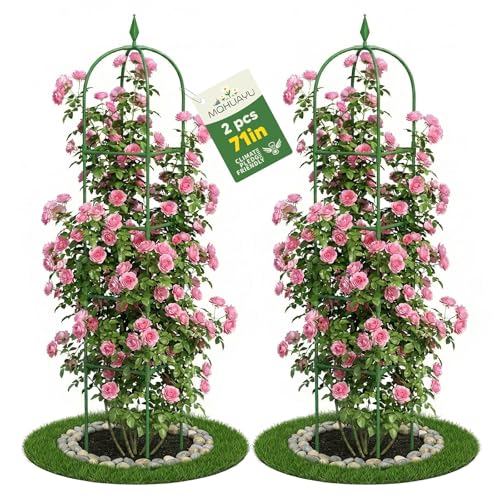
【6 Ft Adjustable Height】This 4-tier garden trellis for climbing plants provides ample space to plant thrive. With removable 4-way connectors, you can easily adjust the height as your plants grow—reaching up to 6 feet tall. It offers the flexibility needed for healthy vertical development

【Tool-Free Quick Assembly】 No extra tools or complex instructions needed! Just insert the 11.8-inch reinforced ground spike into soil, and your plant trellis is ready to use in 5 minutes. Perfect for busy gardeners—no professional skills required. Unit Dimension: 2 Pack, 86.7" H x 19.7" W. Note: Vines and plants are not included.
Morning Glory Vines for Fast-Growing Annual Color

While climbing roses require patience and long-term planning, morning glories give you impressive vertical coverage in just one growing season, making them perfect for renters or gardeners who want immediate results.
You’ll see fast germination within 5-7 days after planting seeds directly in warm soil. These vigorous vines climb 10-15 feet tall by midsummer, producing trumpet-shaped blooms in blue, purple, pink, or white.
Morning glories excel at container trellising, so you can grow them on balconies or patios using pots at least 12 inches deep. For smaller spaces, consider installing an outdoor vertical planter to maximize your growing area while keeping the display tidy and wall-mounted. Water regularly and provide full sun for maximum flowering.
Recommended Products

Tall Climbing Growth: flower plants & seeds for planting grow into vigorous vines ideal for fences and trellises. These heirloom seeds thrive in USDA zones 1–10 with full sun exposure outdoors.
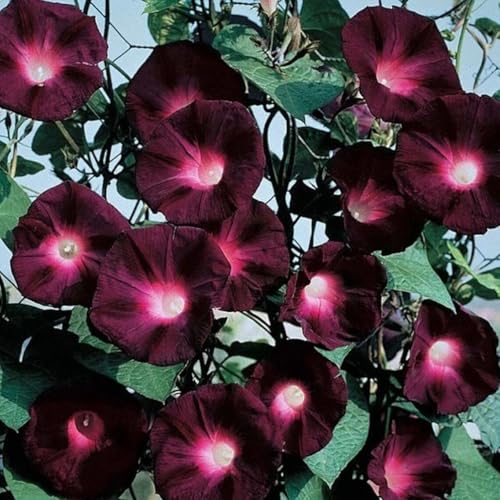
Grow vibrant and captivating morning glory plants with our premium morning glory seeds.
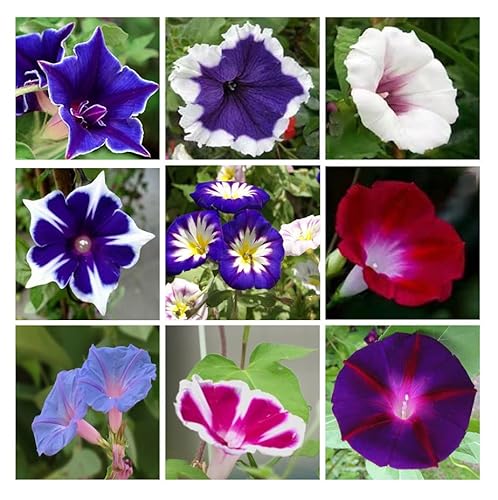
Honeysuckle Vines That Attract Hummingbirds

Honeysuckle vines consistently rank among the top choices for gardeners who want to attract hummingbirds while adding fragrant beauty to vertical spaces.
Native honeysuckles, like coral honeysuckle (Lonicera sempervirens), produce tubular red or orange flowers that hummingbirds can’t resist, blooming from late spring through summer. You’ll find these vines need full sun to partial shade and well-draining soil to thrive. Plant them near patios or windows where you can watch hummingbirds feed, and they’ll provide natural nectar that supplements any hummingbird feeders you’ve installed.
These hardy vines grow 10-20 feet tall, covering trellises, arbors, and fences with minimal maintenance required. To create a polished border around the base of your trellis or arbor, consider using landscape edging stone to define the planting area and prevent grass encroachment.
Sweet Pea Vines for Fragrant Cut Flowers

Sweet pea vines (Lathyrus odoratus) regularly earn their place in cottage gardens and cutting beds thanks to their intensely fragrant blooms and long vase life.
You’ll want to plant seeds directly in cool soil, about 6-8 weeks before your last frost date, spacing them 2-3 inches apart.
While sweet peas don’t feature fragrant foliage, their flowers more than compensate with powerful perfume that fills entire rooms.
Practice seed saving techniques by allowing a few pods to mature and dry completely on the vine, then store seeds in a cool, dark location for next season’s plantings.
To maintain optimal soil moisture for your sweet peas without constant monitoring, consider installing a smart irrigation controller that can adjust watering schedules based on weather conditions.
Jasmine Vines That Perfume Summer Evenings

As evening temperatures cool and darkness settles over your garden, jasmine vines (Jasminum spp.) release their signature sweet scent that can perfume an entire outdoor space. Plant these climbers near patios, porches, or bedroom windows where you’ll enjoy their night blooming fragrance most.
Star jasmine (Trachelospermum jasminoides) reaches 15-20 feet and thrives in zones 8-10, while Arabian jasmine (Jasminum sambac) works well as container jasmine in colder regions. Train vines on trellises, arbors, or fences using soft ties, spacing supports 12 inches apart.
Water regularly during establishment, then reduce frequency once roots develop. For a modern, durable container option, consider growing jasmine in a stainless steel planter box that can withstand outdoor conditions while providing excellent drainage.
Moonflower Vines With Evening-Blooming White Trumpets

Moonflowers (Ipomoea alba) open their large, luminous white blooms as daylight fades, creating a dramatic display that lasts throughout the night until morning sun causes them to close.
You’ll notice their sweet night blooming fragrance attracts nighttime pollinators like moths and bats to your garden.
Plant these vigorous climbers in full sun with well-draining soil, providing a sturdy trellis or fence for support.
The vines grow 10-15 feet in a single season, making them ideal for covering vertical spaces quickly.
Soak the hard seeds overnight before planting to improve germination rates and establish faster growth.
Consider showcasing these stunning vines in outdoor copper planters to add elegant vertical interest while the metallic finish complements the white blooms beautifully.
Mandevilla Vines for Tropical Blooms in Sunny Spots

Mandevilla vines (Mandevilla spp.) produce stunning trumpet-shaped flowers in shades of pink, red, white, and coral from late spring through fall, transforming any sunny spot into a vibrant tropical paradise.
These heat-loving vines thrive in full sun with at least six hours of direct light daily, though they show limited shade tolerance in partial sun locations. You’ll find mandevilla particularly well-suited for container cultivation, making them ideal for patios, balconies, and poolside areas.
Plant them in well-draining potting mix, provide a trellis or support structure, and water when the top inch of soil feels dry to maintain consistent blooming throughout the growing season. For evening enjoyment of your mandevilla display, consider adding solar LED patio umbrellas to illuminate your outdoor space without increasing electricity costs.
Black-Eyed Susan Vines for Container Gardens

While mandevilla vines demand ample space and substantial support structures, black-eyed Susan vines (Thunbergia alata) offer a more compact alternative that thrives in containers and hanging baskets.
You’ll appreciate their drought tolerance once established, which means less frequent watering during busy summer months.
These cheerful vines produce orange, yellow, or white flowers with distinctive dark centers that attract butterflies and hummingbirds, providing excellent pollinator benefits for your garden.
Plant them in well-draining potting mix, provide a small trellis or support, and fertilize every two weeks with balanced liquid fertilizer for continuous blooms throughout summer.
If you’re interested in starting your own seedlings indoors before the growing season, microgreen growing trays work perfectly for germinating black-eyed Susan vine seeds in a controlled environment.
Trumpet Vines With Bold Orange Flowers

Trumpet vines (Campsis radicans) create dramatic vertical displays with their bold orange, tubular flowers that bloom prolifically from mid-summer through fall, attracting hummingbirds in impressive numbers.
You’ll appreciate this pollinator magnet for its ability to cover fences, arbors, and walls quickly, reaching 30-40 feet in height.
However, be aware of its fast spread through underground roots and self-seeding, which requires careful placement away from other garden areas.
Plant trumpet vines in full sun with well-draining soil, and prune them annually in late winter to control growth and maintain their shape within your desired boundaries.
Support these vigorous climbers with sturdy metal trellises that can withstand their substantial weight and provide an attractive framework for vertical growth.
Climbing Hydrangea Vines for Shaded North Walls

Climbing hydrangea (Hydrangea anomala petiolaris) thrives in those challenging shaded spots where most flowering vines struggle, making it an excellent choice for north-facing walls, fences, and structures that receive minimal direct sunlight.
This deciduous vine produces white lacecap flowers in early summer and reaches heights of 30-50 feet through aerial rootlets that cling to surfaces.
You’ll need patience, as establishment takes 3-5 years before flowering begins.
Among shade loving cultivars, ‘Miranda’ offers variegated foliage.
Provide sturdy rooting and support initially with wire or trellis until the aerial roots develop and attach firmly to your vertical surface.
Dutchman’s Pipe Vines for Dense Privacy Screens

Dutchman’s pipe (Aristolochia macrophylla) stands out as one of the fastest-growing privacy solutions for gardeners seeking complete screening within a single season.
You’ll achieve 15 to 30 feet of growth annually when you provide a sturdy climbing structure, such as a trellis, arbor, or chain-link fence.
The vine’s large, heart-shaped leaves overlap densely, creating an impenetrable visual barrier that blocks unwanted views effectively.
Practice proper root management by installing root barriers if planting near foundations, as the aggressive root system can spread 6 to 8 feet from the base, potentially damaging structures or invading adjacent garden beds.
Boston Ivy Vines for Fast Full-Coverage Screening

Boston ivy (Parthenocissus tricuspidata) transforms bare walls into lush green tapestries faster than nearly any other clinging vine, reaching heights of 50 to 70 feet with proper support and growing 5 to 10 feet per year once established.
You’ll appreciate its holdfasts, specialized adhesive pads that cling to surfaces without additional trellising, making it ideal for fast screening of unsightly structures.
While not native to North America, you can consider native alternatives like Virginia creeper (Parthenocissus quinquefolia) for similar coverage.
Plant in partial shade to full sun, water regularly during establishment, and watch it blanket vertical surfaces within two growing seasons.
Virginia Creeper Vines for Low-Maintenance Fall Color

While Boston ivy provides excellent coverage, Virginia creeper (Parthenocissus quinquefolia) offers native adaptability with spectacular autumn displays that require minimal intervention once established. You’ll appreciate how this vine supports native wildlife, including birds that feast on its berries.
The compound leaves with five leaflets turn brilliant crimson in fall, creating stunning vertical displays. Plant it in spring or early fall, spacing vines 3-5 feet apart.
Pruning timing matters most in late winter before new growth emerges, though you can trim wayward stems anytime. It climbs using adhesive disks, reaching 30-50 feet with minimal care required.
Wisteria Vines for Dramatic Overhead Canopies

When you’re seeking truly show-stopping vertical drama, wisteria (Wisteria sinensis or Wisteria floribunda) delivers cascading clusters of fragrant blooms that transform pergolas, arbors, and overhead structures into breathtaking canopies each spring.
You’ll need sturdy support, as mature vines can weigh several hundred pounds and grow 25-30 feet long.
Consider native wisteria (Wisteria frutescens) for less aggressive growth, or try container wisteria if you’re working with limited space and want easier control.
Prune twice yearly—once after flowering and again in winter—to encourage blooming and manage vigorous growth that can damage weak structures.
Bougainvillea Vines With Vibrant Papery Bracts

Bougainvillea vines (Bougainvillea spp.) bring year-round color to warm climates with their brilliant papery bracts in shades of magenta, purple, red, orange, white, and pink that surround small, insignificant flowers.
You’ll find these vigorous vines thrive in USDA zones 9-11, though cold hardy bougainvillea varieties like ‘Barbara Karst’ tolerate brief dips to 30°F.
Train them on trellises, arbors, or fences in full sun, providing at least six hours of direct sunlight daily.
Container bougainvillea works well for northern gardeners who can move plants indoors during winter, maintaining blooms in bright locations with moderate watering.
Passionflower Vines With Intricate Statement Blooms

Passionflower vines (Passiflora spp.) showcase some of the most architecturally complex blooms in the plant kingdom, with radial filaments, prominent stamens, and intricate corona structures that create stunning three-dimensional flowers measuring 2-6 inches across.
You’ll find these vines establish strong pollinator partnerships with carpenter bees, hummingbirds, and butterflies that navigate their elaborate floral structures.
Plant them in full sun with well-draining soil, providing sturdy trellises for their tendrils to climb 10-20 feet vertically.
The rich passionflower symbolism, representing faith and spiritual devotion, adds meaningful depth to your garden while the exotic blooms provide continuous visual drama throughout summer.
Carolina Jessamine Vines for Early Spring Yellow

Carolina jessamine (Gelsemium sempervirens) transforms bare trellises and fences into cascading walls of golden-yellow trumpet flowers that emerge in late winter, often blooming from February through April when most gardens still display dormant browns and grays.
This evergreen vine reaches 10-20 feet, thriving in USDA zones 7-9 with full sun to partial shade. You’ll attract native pollinators like early-season bees seeking nectar after winter.
Early bloom care requires minimal pruning after flowering ends, allowing next year’s buds to develop through summer. Water established vines during dry spells, and apply slow-release fertilizer in early spring to support vigorous growth.
Cup and Saucer Vines With Bell-Shaped Flowers

Cup and saucer vine (Cobaea scandens) takes off quickly once established, climbing 15-25 feet in a single growing season through grasping tendrils that attach to trellises, arbors, and wire fencing.
You’ll notice the distinctive bell-shaped flowers shift from greenish-white to deep purple, attracting hummingbirds with strong pollinator preferences.
This tropical perennial thrives in full sun but shows decent shade tolerance in hot climates.
Container cultivation works well with a large pot, at least 12 inches deep.
Minimal pruning timing concerns exist since you can trim wayward stems anytime during active growth without harming flower production.
Scarlet Runner Bean Vines for Edible Ornamental Gardens

Scarlet runner bean vines (Phaseolus coccineus) deliver a double harvest of vibrant red-orange flowers and edible pods, climbing 6-12 feet through twining stems that spiral around supports like poles, strings, and lattice panels.
You’ll appreciate their fast growth, which reaches full height in 60-70 days when planted after the last frost in warm soil. These heirloom seeds thrive in full sun with regular watering, producing flowers that attract hummingbirds throughout summer.
Install vertical trellising at planting time, spacing seeds 4-6 inches apart, and harvest young pods at 6-8 inches for the best tender texture and sweet flavor.
Frequently Asked Questions
How Do I Build or Install a Trellis for Climbing Vines?
You’ll need to anchor wooden lattices or cable systems securely to walls or posts. Install them before planting, ensuring they’re sturdy enough to support mature vines. Space supports appropriately for your chosen climbing plants’ growth habits.
What Is the Best Way to Winterize Perennial Vines in Cold Climates?
You’ll want to protect your perennial vines by cutting back dead growth to healthy wood, then applying thick mulch around the base for root insulation. This prevents freeze-thaw damage and guarantees spring regrowth.
How Often Should I Water Newly Planted Vine Plants?
Like a watchful gardener, you’ll want to water your newly planted vines daily for the first week, then check soil moisture regularly. Consistent watering promotes strong root establishment during their critical first growing season.
Can I Grow Multiple Vine Varieties on the Same Support Structure?
Yes, you can grow multiple vine varieties together! Choose plants with compatible rootstocks and similar care needs. Select varieties with staggered bloomtimes to make sure you’ll enjoy continuous flowers and visual interest throughout the entire growing season.
How Do I Prevent Vines From Damaging Siding or Brick Walls?
An ounce of prevention’s worth a pound of cure—install a breathable barrier between vines and walls, then avoid adhesives by choosing non-clinging varieties or freestanding trellises you’ll position several inches away from your siding.
Conclusion
You’ve got 20 proven vine options to maximize your garden’s vertical space, and the results can be impressive—vertical gardening yields up to three times more produce per square foot than traditional beds. Whether you’re covering a trellis with clematis, training climbing roses up an arbor, or growing honeysuckle for hummingbirds, these vines deliver color, fragrance, and habitat all summer. Start with fast annuals if you’re new to vertical gardening, then expand to perennials for lasting impact.


