


You can transform any clear container into a thriving miniature world that matches the mood of every season. Terrariums offer endless creative possibilities, from lush tropical setups that flourish in humidity to minimalist desert scenes featuring hardy succulents and decorative stones. Whether you’re drawn to festive holiday themes, calming aquatic displays, or practical herb gardens, there’s a style that fits your space and skill level—and the techniques are simpler than you might expect.
Tropical Rainforest Styles for Humidity-Loving Plants

When you want to recreate the lush, moisture-rich environment of a tropical rainforest, you’ll need to focus on three key elements: high humidity levels between 70-90%, consistent warmth around 70-80°F, and layered planting that mimics the forest floor.
Select ferns, mosses, and small-leafed tropical plants that thrive in these conditions.
Position your terrarium away from direct sunlight, using filtered high humidity lighting instead, which prevents overheating while maintaining proper growth.
Consider epiphytic mounting techniques for orchids and air plants, attaching them to driftwood or cork bark to replicate their natural tree-dwelling habitat.
This approach creates authentic vertical interest.
To maintain optimal moisture levels without relying on electrical outlets, a garden solar pump can provide eco-friendly water circulation that mimics natural rainfall patterns while keeping your tropical ecosystem thriving.
Desert Landscapes With Succulents and Decorative Sand

Unlike their moisture-loving counterparts, desert terrariums require minimal watering, excellent drainage, and plenty of bright light to keep your succulents and cacti healthy.
You’ll create an authentic desert microclimate by layering gravel, activated charcoal, and sandy soil before positioning your plants.
Add decorative sand in contrasting colors around your succulents, creating depth and visual interest while providing sand stabilization.
Choose drought-tolerant varieties like echeveria, haworthia, or small barrel cacti, spacing them 2-3 inches apart.
Water sparingly every 2-3 weeks, allowing soil to dry completely between waterings to prevent root rot.
If you’re using tap water for your desert terrarium, consider using a garden hose filter to remove chlorine and other chemicals that can harm sensitive succulent roots.
Autumn Arrangements With Warm Seasonal Colors

Seasonal terrariums capture the cozy spirit of fall by showcasing plants and materials in rich oranges, deep reds, golden yellows, and warm browns that mirror nature’s annual transformation.
You’ll want to select plants with rust colored foliage, such as Japanese blood grass or copper-toned Peperomia varieties, which thrive in enclosed environments.
Add small decorative elements like miniature pumpkins, acorns, or pinecones to enhance the autumn theme.
Consider incorporating spiced scented accents through cinnamon sticks or dried orange slices, which complement your design while adding subtle fragrance.
Layer colored sand or soil to create depth and visual interest throughout your seasonal display.
For a more elevated outdoor display, consider housing your autumn arrangement in an outdoor copper planter that naturally complements the warm tones of your fall terrarium.
Winter Wonderland Designs Using Frosted Glass

Frosted glass containers transform ordinary terrariums into magical winter displays, creating an ethereal backdrop that mimics freshly fallen snow and ice-covered windowpanes.
You’ll want to select preserved icy moss in silver-white tones, which maintains its color for 6-12 months without watering.
Add miniature skylines using small ceramic buildings or laser-cut wood structures painted in metallic whites and grays.
Position battery-operated LED glow strips along the container’s base, set to cool white at 5000-6500K color temperature.
Space decorative elements 2-3 inches apart to prevent overcrowding, and layer white sand underneath the moss for enhanced depth and wintry atmosphere.
For a more durable outdoor winter display, consider using a stainless steel planter box as an alternative base that can withstand harsh winter conditions while maintaining its elegant appearance.
Spring Displays Featuring Air Plants and Fresh Moss

Spring terrariums come alive with air plants and fresh moss, offering low-maintenance displays that capture the season’s renewal and vibrant growth.
You’ll find air plant care simple since these plants don’t require soil, just misting with water 2-3 times weekly. Place them in bright, indirect light for 4-6 hours daily.
Fresh moss adds texture and color, and you can practice moss propagation by keeping it moist with daily misting.
Arrange tillandsias on driftwood or stones, then surround them with cushion moss for contrast. This combination creates an authentic woodland feel while requiring minimal maintenance throughout spring.
For easy watering, consider using a stainless steel hose reel to manage your garden hose efficiently when misting your terrarium plants and maintaining moisture levels.
Beach-Themed Setups Perfect for Summer Vibes

Beach-themed terrariums bring coastal charm indoors, transforming glass containers into miniature seaside escapes with sand, shells, and drought-tolerant plants.
You’ll need a clear glass vessel, aquarium sand or fine beach sand, and sun soaked shells collected from your favorite shoreline.
Add small driftwood sculptures as natural focal points, positioning them at angles for visual interest.
Choose succulents like echeveria or haworthia, which thrive in dry conditions similar to coastal environments.
Layer two inches of sand at the bottom, arrange your decorative elements first, then nestle plants into shallow depressions.
Water sparingly every two weeks, as these setups require minimal moisture.
For outdoor watering needs after tending to your indoor garden, a metal garden hose reel keeps your yard organized and equipment protected from the elements.
Closed Jar Ecosystems That Sustain Themselves

A closed jar ecosystem creates a self-sustaining miniature world that recycles water, oxygen, and nutrients without your intervention for months or even years. These sealed microhabitats work through natural processes where plants produce oxygen, moisture condenses on glass walls, and organic matter breaks down to fuel growth.
You’ll need a clear glass container with an airtight lid, soil, small slow-growing plants like ferns or moss, and activated charcoal for filtration.
The key to successful nutrient cycling is balancing moisture levels before sealing—too much causes mold, while too little stops photosynthesis. Once sealed properly, your ecosystem thrives independently. Display your finished terrarium on a decorative plant stand to showcase this living art piece while ensuring it receives adequate indirect sunlight.
Recommended Products

Create a Closed Terrarium: The snug-fitting cork lid helps maintain ideal humidity levels, forming a self-sustaining environment. small terrarium is enclosed design is perfect for moisture-loving greenery like ferns, mosses, requiring minimal watering and effort

Crystal-Clear Glass Material: Crafted from high-quality, thick glass, this terrarium offers exceptional clarity to showcase your plants, succulents, or decorative items beautifully.
Open-Air Succulent Bowls for Low-Maintenance Care

Open-air succulent bowls consistently rank among the easiest terrariums to maintain because they require minimal watering, thrive in neglect, and forgive most beginner mistakes.
You’ll water these arrangements only once every two to three weeks, depending on your climate and indoor humidity levels.
Choose a shallow bowl without drainage holes, then layer one inch of gravel before adding cactus soil mix.
Arrange your succulents with driftwood accents to create visual interest and natural texture.
Position your bowl near a south-facing window, or supplement with LED lighting for six to eight hours daily to promote healthy growth and vibrant colors.
For watering your succulents with precision and control, a stainless steel watering can provides durability and helps prevent overwatering with its narrow spout design.
Recommended Products

2-in-1 Removable Spray Spout Design This watering can comes with a detachable shower head, offering two watering modes to meet all your plant care needs. Use the long, narrow spout for precise root watering to avoid wetting leaves and causing rot; install the spray nozzle to create a soft, even mist, perfect for delicate seedlings, succulents, and potted flowers.
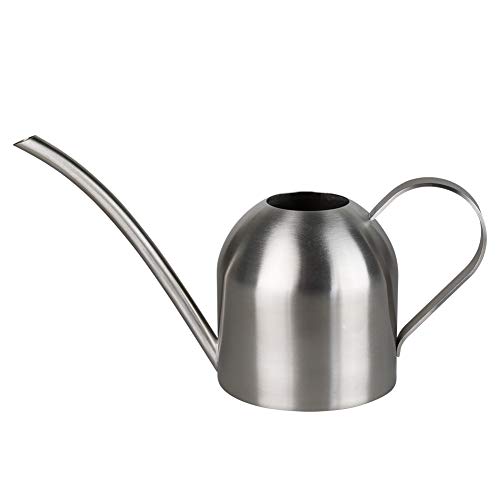
Long Spout for Precise Root Watering Long narrow gooseneck spout delivers water directly to roots without splashing, ideal for indoor plants, succulents, bonsai and hard-to-reach houseplants.

[PREMIUM STAINLESS STEEL MATERIAL] Our watering can is made of durable premium stainless steel, which is leakproof, rust-resistant, scratch resistant, anti-corrosion and long lasting without fading.More importantly, this metal watering can has an exquisite appearance and bright color. It can also be placed as a handicraft in a room or a flower stand. It is a very good decoration
Geometric Glass Containers for Modern Minimalist Homes

Geometric glass containers bring sharp angles and clean lines to your indoor garden, making them perfect centerpieces for contemporary spaces that emphasize simplicity and form.
You’ll find these terrariums in shapes like pyramids, cubes, and hexagons, which complement minimalist décor beautifully. Choose plants with structured forms, such as air plants or small cacti, to match the container’s architectural style.
Add a monochrome pebble base in white, black, or gray to enhance the clean aesthetic. Consider models with brass accents along the edges, which provide warmth without overwhelming the design.
These containers typically measure 4-8 inches across, fitting perfectly on shelves or desks. For larger statement pieces that anchor a room, consider pairing your geometric glass terrarium with large ceramic planters that echo similar modern design principles.
Recommended Products

D’Eco Glass Geometric Teardrop Shaped Plant Terrarium with Black Brass Accents. Measures 5.7 x 5.7 x 7”

This is a hanging vertebral shape beautiful geometric terrarium. It is great for centerpiece on your table. It is also ideal for hanging from ceiling, wall, or shelf. Brass decorations for the home

D’Eco Glass Pyramid Plant Terrarium with Gold Brass Accents. Measures 4.7 x 4.7 x 9.4”
Hanging Displays That Maximize Vertical Space

When you’re working with limited floor and shelf space, hanging terrariums create opportunities to cultivate greenery without sacrificing valuable surfaces in your home.
Macramé planters provide an attractive, bohemian-style option that supports glass containers at eye level, making maintenance easier and creating visual interest at multiple heights.
Tiered glassware arrangements allow you to display several plants vertically, with chains or cords connecting two to four vessels in a cascading formation.
Install ceiling hooks rated for at least 10 pounds to guarantee secure mounting, and position your hanging displays near windows where plants receive adequate indirect sunlight throughout the day.
For larger plant collections that require more substantial support, consider incorporating bamboo plant shelves that complement your hanging displays while providing sturdy, eco-friendly surfaces for heavier specimens.
Moss-Only Gardens for Lush Green Simplicity

Moss-only terrariums offer a minimalist approach to indoor gardening that requires less maintenance than mixed-plant arrangements while delivering consistent visual appeal.
You’ll create ideal microclimate management by maintaining humidity between 70-80% and temperatures around 65-75°F. Select compatible moss varieties like sheet moss, cushion moss, or mood moss for textural variety.
Your maintenance schedule stays simple: mist lightly once weekly, remove any brown patches immediately, and guarantee indirect light exposure for 6-8 hours daily.
This straightforward approach lets you enjoy vibrant green landscapes year-round without complex care routines, making moss gardens perfect for beginners.
Woodland Forest Floors With Ferns and Natural Bark

Creating a woodland forest floor terrarium brings the enchanting atmosphere of a shaded forest into your home, combining delicate ferns with textured bark and natural substrate layers.
Start by selecting native ferns like maidenhair or brake ferns, which thrive in humid, low-light conditions similar to forest understories.
Layer your substrate with 1-2 inches of drainage material, followed by activated charcoal and quality potting mix.
Add bark textures using pieces of cork bark or driftwood, positioning them at angles to create depth and visual interest.
Mist daily to maintain 60-80% humidity, and place your terrarium in indirect light for ideal growth.
Layered Sand and Rock Designs With Color Gradients

Layered sand and rock designs transform clear glass containers into striking geological displays, showcasing bands of contrasting colors that mimic natural sedimentary formations.
You’ll create these ombre substrates by carefully pouring different colored sands, one layer at a time, using a funnel for precision. Start with darker shades at the bottom, then shift to lighter tones, building contrasting strata that catch the eye.
Add small rocks, crystals, or pebbles between sand layers for texture and visual interest.
Tilt your container slightly when pouring to create diagonal, wave-like patterns that enhance the gradient effect and make your design truly unique.
Carnivorous Plant Showcases That Command Attention

When you want to create a terrarium that sparks conversation and fascination, carnivorous plants deliver drama unlike any other botanical display.
A pitcher plant adds vertical interest with its tubular traps, which can reach 6-12 inches tall depending on the species. Pair it with a Venus flytrap display at the base to create multiple focal points.
These plants need high humidity, around 60-80 percent, and distilled water since tap water damages their sensitive roots. Position them in bright, indirect light for 12-14 hours daily.
The result is a living showcase that educates while it entertains visitors.
Fairy Garden Scenes With Miniature Figurines

Fairy garden terrariums transform ordinary glass containers into whimsical miniature worlds where tiny houses, bridges, and figurines nestle among living plants.
You’ll create miniature storytelling scenes by selecting small-scale plants like baby tears, moss, and dwarf ferns that won’t overwhelm your figurines.
Choose accessories in authentic scale, typically 1:12 or 1:24 ratios, to maintain realistic proportions between plants, structures, and characters.
Position taller elements toward the back, layer moss as ground cover, and arrange figurines along winding pathways made from small pebbles.
Water sparingly every 7-10 days, as excess moisture damages resin figurines and wooden accessories.
Bonsai Tree Displays Merging Two Miniature Worlds

Bonsai terrariums combine the ancient art of miniature tree cultivation with enclosed glass gardening, creating self-sustaining ecosystems that showcase carefully pruned trees in humidity-controlled environments.
You’ll need a container at least 12 inches tall, tropical bonsai species like ficus or jade, and proper drainage layers.
The technique mirrors bonsai aquascaping, where you arrange rocks, moss, and substrate to create natural landscapes.
Monitor your paired microclimates carefully, maintaining 60-70% humidity for tropical varieties.
Prune branches every 4-6 weeks to maintain size, and rotate the container weekly for even light exposure.
This style requires patience but delivers stunning results.
Crystal and Geode Accents Blending Nature With Minerals

Natural minerals add stunning visual contrast to plant-based terrariums, transforming simple glass containers into geological showcases that catch light and create focal points.
You’ll want to contemplate mineral pairing when selecting crystals that complement your plants’ colors, textures, and growth patterns. Position smaller quartz points near moss beds, or nestle polished amethyst beside ferns for eye-catching light refraction effects.
Geode placement works best along terrarium edges where interior crystalline structures remain visible.
Some enthusiasts incorporate stones used in healing rituals, like rose quartz or selenite, though their primary function remains decorative.
Clean minerals monthly with a soft, dry cloth to maintain their natural sparkle.
Aquatic Setups Featuring Water Plants and River Stones

When water becomes your terrarium’s foundation rather than just a maintenance concern, you’ll open up entirely new design possibilities that showcase aquatic plants and polished river stones in perfect harmony.
You can create stunning aquatic mossbanks by positioning Java moss, 2-3 inches thick, along sloped glass edges where it’ll thrive in shallow water.
Layer riverstone pathways, using stones 1-2 inches wide, to create natural-looking stream beds that guide the eye through your design.
Combine these elements with water-loving plants like anubias, which grow 4-6 inches tall, to establish a miniature wetland ecosystem that requires minimal weekly maintenance.
Culinary Herb Gardens Bringing Fresh Flavor Indoors

Transform your kitchen windowsill into a productive culinary garden by growing compact herbs in glass containers that’ll provide fresh seasonings within arm’s reach of your cutting board.
Basil, thyme, oregano, and parsley thrive as potted cuttings in clear jars filled with well-draining soil mixed with perlite at a 3:1 ratio.
You’ll need containers with drainage holes, or layer one inch of gravel at the bottom to prevent root rot.
Water when the top half-inch of soil feels dry, typically every three to four days.
Harvest regularly by snipping outer leaves to encourage bushier growth and continuous production.
Holiday Themes to Rotate Throughout the Year

Seasonal terrariums let you celebrate holidays year-round by swapping out miniature decorations, themed plants, and colored accents that match each festivity without rebuilding your entire display.
You’ll add tiny pumpkins and orange moss for fall, miniature evergreens with DIY ornaments for winter holidays, pastel flowers for spring, and bright succulents for summer celebrations.
Seasonal lighting transforms your terrarium’s mood, using warm amber for autumn, cool white for winter, and soft pink for Valentine’s Day.
Store your collection of holiday accessories in labeled containers, rotating them monthly to keep your display fresh and engaging throughout the year.
Frequently Asked Questions
How Often Should I Water My Terrarium?
You’ll be thrilled to know that watering frequency depends on your terrarium type—closed ones need water monthly, while open styles require weekly moisture. Make seasonal adjustments since winter demands less watering than summer’s heat.
What Type of Soil Works Best for Terrarium Planting?
You’ll want a well-draining mix combining peat moss with sand or perlite for most terrariums. If you’re planting succulents, use cactus mix instead since it prevents moisture retention that’d harm these drought-loving plants.
Can Terrariums Survive in Rooms With Low Natural Light?
Don’t let dim corners dampen your dreams—yes, you’ll thrive with low light terrariums! Choose plant pairs with humidity tolerance like ferns and moss, or supplement with artificial light for healthier growth and vibrant displays.
How Do I Prevent Mold Growth Inside My Terrarium?
You’ll prevent mold by maintaining proper air circulation and humidity control. Remove the lid periodically to let moisture escape, avoid overwatering, and guarantee your terrarium isn’t placed in excessively humid areas where condensation accumulates constantly.
Where Can I Purchase Terrarium Supplies and Glass Containers?
You’ll find terrarium supplies at online retailers, you’ll discover them at craft stores, and you’ll locate glass containers at both. Browse Amazon, Etsy, Michaels, or Hobby Lobby for complete selections.
Conclusion
You might think terrariums need constant attention, but most styles require only monthly watering and occasional pruning once you’ve matched plants to the right environment. Pick one seasonal design to start—tropical, desert, or spring moss—and you’ll master substrate layering, moisture balance, and light placement within weeks. Rotate themes throughout the year, swap accessories for holidays, and experiment with crystals, driftwood, or carved stone to keep your miniature ecosystem fresh, thriving, and uniquely yours.


