


You’ve probably seen red spider lilies in anime or photographs, their crimson petals curling backward like flames frozen in time. These striking flowers, known as Lycoris radiata or higanbana in Japanese, carry centuries of symbolism tied to death, farewell, and seasonal shifts. Before you plant them in your garden or incorporate their haunting beauty into artwork, you’ll need to understand their toxic nature, unusual growth cycle, and the cultural weight they carry across East Asia.
Red Spider Lily Origins and Geographic Range

The red spider lily, scientifically known as Lycoris radiata, originates from China, Korea, and Nepal, where it grows naturally in woodland areas, along stream banks, and on rocky slopes.
You’ll find this striking flower throughout East Asia today, following ancient migration routes that spread it across Japan during the Yayoi period, around 300 BCE to 300 CE.
The origins timeline shows Buddhist monks carried bulbs along trade routes, establishing populations in temple gardens and rural communities.
Today, you can spot naturalized colonies in warmer regions worldwide, thriving in USDA zones 7-10 where temperatures remain mild.
If you’re cultivating these flowers near a water feature, consider using a pond UV sterilizer to maintain clear, healthy water that complements your garden’s aesthetic.
What Makes Lycoris Radiata Unique Among Lilies

Beyond its widespread presence across East Asia, Lycoris radiata stands apart from other lily species through several distinctive botanical characteristics that make it immediately recognizable.
You’ll notice its spider-like petals curve backward dramatically, creating a unique shape that’s quite different from traditional lily flowers.
The plant exhibits unusual pollination patterns, as its flowers bloom before leaves appear, which leads to genetic isolation from other species. This timing prevents cross-breeding with related plants, keeping Lycoris radiata genetically distinct.
The red spider lily’s inability to produce viable seeds in most regions further contributes to its remarkable genetic separation.
For those who want to showcase these striking blooms in their outdoor spaces, outdoor copper planters provide an elegant and durable option that complements the flower’s dramatic appearance.
The Spider-Like Petal Structure Explained

When you examine a red spider lily up close, you’ll immediately understand how this flower earned its common name. The petals curve backward dramatically, creating long, thin appendages that extend outward like spider legs, measuring up to four inches in length.
Each bloom displays six stamens that project forward, enhancing the spidery appearance through their delicate, thread-like filaments. The petal biomechanics allow this unusual recurved shape, which facilitates pollination by exposing the flower’s center completely.
You’ll notice minimal nectar secretion occurs at the base, as these flowers rely primarily on their striking visual structure to attract polliners rather than sweet rewards. When displaying these striking blooms in your garden, consider storing gardening supplies in a patio storage cabinet to keep your outdoor space organized and maintain easy access to care essentials.
Why Red Spider Lily Flowers and Leaves Never Meet

Among flowering plants, red spider lilies display one of nature’s most curious timing patterns, as their flowers and foliage operate on completely separate schedules that never overlap.
You’ll notice blooms emerge in late summer on bare stalks, while leaves appear only after flowers fade completely in autumn.
This biological leaf timing prevents the plant from supporting both structures simultaneously, conserving energy for reproduction.
Many folklore explanations suggest the flowers and leaves represent separated lovers, never destined to meet.
Understanding this pattern helps you appreciate why these striking red blooms always appear alone, without any greenery.
Just as heated bird baths help maintain consistent conditions for birds during seasonal changes, red spider lilies follow their own environmental rhythm regardless of typical growing patterns.
The Toxic Alkaloids That Protect Rice Paddies

Red spider lilies contain powerful alkaloids called lycorine and galantamine, which make every part of the plant highly toxic to animals and pests.
This unique alkaloid composition serves as natural pest deterrence, protecting rice paddies from rodents, insects, and other damaging creatures.
Farmers traditionally planted these flowers along paddy borders, where the toxins provided ongoing protection without soil leaching that could harm rice crops.
You’ll want to exercise caution with pet safety, keeping dogs and cats away from these plants.
If ingested, the alkaloids cause vomiting, diarrhea, and potentially severe neurological symptoms requiring immediate veterinary attention.
Similarly, homeowners seeking to protect their outdoor spaces from unwanted visitors might consider installing a squirrel-proof bird feeder to keep persistent wildlife away from bird seed while allowing desired species to feed undisturbed.
Higanbana: Japan’s Flower of the Afterlife

Throughout Japan, the red spider lily carries the evocative name “higanbana,” which translates to “flower of the autumn equinox,” marking its connection to Buddhist traditions and the sphere between life and death.
You’ll find these crimson blooms planted near temples, cemeteries, and memorial sites, where they serve spiritual funerary purposes in afterlife folklore. The flowers bloom precisely during Higan, a week-long Buddhist observance honoring deceased ancestors, which explains their deep cultural significance.
Japanese traditions associate higanbana with guiding spirits to their final rest, creating a powerful symbol that bridges our world with the domain beyond. Some homeowners install premium bat houses near cemetery gardens, as these nocturnal creatures complement the twilight mystique of these sacred spaces.
Buddhist Higan Festivals and Autumn Equinox Blooms

The Buddhist Higan festivals occur twice annually, during the spring and autumn equinoxes, when day and night achieve perfect balance, and this natural equilibrium symbolizes the middle path between enlightenment and suffering in Buddhist philosophy.
You’ll notice red spider lilies blooming precisely during the autumn Higan, creating striking displays at temples and cemeteries across Japan.
These equinox pilgrimages involve specific Buddhist rituals, including visiting ancestral graves, offering prayers, and presenting flowers to honor deceased relatives.
The flowers’ clockwork blooming pattern makes them essential elements in these ceremonies, reminding you of life’s impermanence and spiritual renewal.
If you want to document these ephemeral blooms at temples and in nature, wildlife trail cameras can capture the precise timing of the flowers’ emergence during the equinox period.
Why Red Spider Lilies Line Japanese Graveyards

Since ancient times, Japanese families have planted these distinctive flowers around burial sites for several practical and symbolic reasons that intertwine cultural beliefs with agricultural necessity.
You’ll find these crimson blooms serving as natural barriers, protecting graves from wild animals with their toxic bulbs. The seasonal timing of their autumn appearance aligns perfectly with graveyard rituals during Higan, when families honor their ancestors. Additionally, the bulbs’ poisonous properties deterred scavenging animals while their striking red color marked burial boundaries clearly. This practical application combined with spiritual symbolism created a lasting tradition. Much like how electric pressure washers provide efficient cleaning power for maintaining outdoor memorial spaces, these natural plantings offered families a low-maintenance solution for protecting sacred grounds.
The Chinese Legend of Mañjuśāka and Eternal Separation

Beyond these practical purposes in Japanese burial grounds, the red spider lily carries one of the most heartbreaking love stories from Chinese folklore.
The legend tells of two guardians, Mañjuśāka (the flower) and Sāhuá (the leaves), cursed to never meet.
When flowers bloom, leaves wither, creating eternal separation rituals still observed today.
You’ll find Maṅjuśrī misconceptions linking this tale to Buddhist figures, but it’s purely a romantic legend.
The guardians were punished for abandoning their duties, forced to guide souls along separate paths.
Their perpetual longing symbolizes love that transcends time yet remains forever unfulfilled.
Modern gardeners tending these symbolic flowers can use electric backpack sprayers to maintain the delicate blooms while preserving their ceremonial significance.
Korean Symbolism of Lost Love and Tragic Goodbye

In Korean culture, the red spider lily symbolizes final farewells, representing goodbyes that can never be undone or revisited. You’ll find these flowers deeply connected to mourning rituals, where they mark permanent separations between loved ones.
The bloom appears in farewell poetry, expressing emotions about death, lost relationships, and endings without reconciliation. When you see red spider lilies in Korean art or literature, they’re signaling irreversible departures.
The flower’s autumn blooming period, lasting 7-10 days, reinforces themes of brief encounters and sudden endings. You can use this symbolism when creating memorial arrangements or expressing profound loss. Those working with these delicate flowers during memorial preparations often wear apiary protective gear sets to safely handle the toxic stems and bulbs while assembling funeral tributes.
Red Spider Lilies in Classical Japanese Poetry

Classical Japanese poets have featured red spider lilies, known as higanbana, in their work for centuries, using the flower to explore themes of death, separation, and the afterlife.
You’ll find these blooms serving as seasonal metaphors in haiku and tanka, marking autumn’s arrival and the shift between worlds.
Poets created poetic allusions linking the flowers to Buddhist concepts of reincarnation, impermanence, and spiritual journeys.
The blooms appear in verse describing cemetery paths, farewell scenes, and memories of departed loved ones.
You can study classic collections like Man’yōshū to discover how writers transformed these striking red flowers into powerful symbols of life’s fleeting nature.
When Red Spider Lilies Appear in Anime and Manga

Red spider lilies appear throughout anime and manga as visual shorthand for death, tragedy, and supernatural boundaries, carrying the same symbolic weight they hold in traditional Japanese culture.
You’ll notice these flowers in series like “Tokyo Ghoul,” “Demon Slayer,” and “Hell Girl,” where they mark shifts between life and death. Creators use them as anime motifs to establish mood instantly, signaling danger or sorrow without dialogue.
When you spot red spider lilies in background scenes, they’re functioning as narrative foreshadowing, warning you that a character faces peril or revealing hidden connections to death.
Red Spider Lily Tattoo Symbolism and Popular Meanings

When you choose a red spider lily tattoo, you’re selecting a design that carries profound meanings related to death, rebirth, and the separation between worlds.
Many people get this tattoo to honor deceased loved ones, as the flower’s funeral symbolism represents final goodbyes and eternal rest. The design can also signify romantic betrayal or painful partings, since these flowers traditionally bloom along paths to the afterlife.
Popular placements include the forearm, shoulder blade, and ribcage, with sizes ranging from 2-6 inches. You’ll find designs featuring single blooms, clusters, or stems intertwined with other memorial elements.
Best Placements for Red Spider Lily Tattoo Designs

Your body placement choice markedly affects how your red spider lily tattoo will look, how much it’ll hurt, and how well the design ages over time.
Forearm placement offers excellent visibility, allowing the flower’s distinctive curved petals to flow naturally along your arm’s shape, with moderate pain levels during application.
Behind ear placement creates a delicate, intimate design that’s easily concealed when needed, though the thin skin increases discomfort slightly.
Consider size requirements, professional visibility concerns, and pain tolerance when selecting your ideal location for this meaningful botanical tattoo.
How Farmers Once Used Bulbs to Deter Pests

Throughout agricultural history, Japanese and Chinese farmers relied on red spider lily bulbs as a natural pest control method, planting them strategically around rice paddies and crop fields to protect their harvests. The bulbs contain toxic alkaloids that repel rodents, moles, and other burrowing animals.
This bulb deterrence technique prevented pests from destroying root vegetables and grain stores. Farmers planted the lilies along field borders, creating protective barriers.
You’ll find pest folklore from both cultures documenting this practice, which dates back centuries. The method proved especially effective because the toxins remain potent year-round, offering continuous protection without requiring chemical pesticides or constant maintenance.
Climate and Hardiness Zones for Growing Success

While their pest-deterring properties made red spider lilies valuable in historical farming, modern gardeners need to understand the specific climate requirements these plants demand for successful cultivation.
You’ll find success in USDA hardiness zones 6-10, where temperatures stay above -10°F in winter. These bulbs prefer warm, humid summers and mild winters, thriving in conditions similar to their native East Asian habitat.
Consider microclimate effects in your yard, as southern-facing walls or sheltered corners can extend growing zones. Urban cultivation works well because buildings and pavement create warmer microclimates that protect bulbs from extreme cold.
Recommended Products

TEXAS GROWN SPIDER LILY BULBS are perfect for southern United States climates and have been raised locally in Texas, ready to be transplanted into your garden where they’ll sprout red flowers that burst open like a firework on 1-2 foot stalks

BIG HEALTHY BULBS: Get 3 Fresh, Healthy Spider Lily Bulbs to Grow.

Shipped as a freshly dug bareroot plant
Soil Preparation and Planting Depth for Bulbs

Before planting red spider lily bulbs, you’ll need to prepare soil that drains well and contains plenty of organic matter to support healthy root development.
Mix compost into your garden bed to improve texture and fertility.
Consider soil sterilization if you’ve had previous disease problems, using solarization or heat treatment methods.
Plant bulbs 4-6 inches deep, ensuring proper bulb orientation with the pointed end facing upward.
Space them 6-8 inches apart to allow adequate room for growth.
The flattened base, where roots emerge, should rest firmly at the bottom of each planting hole for prime establishment.
Recommended Products
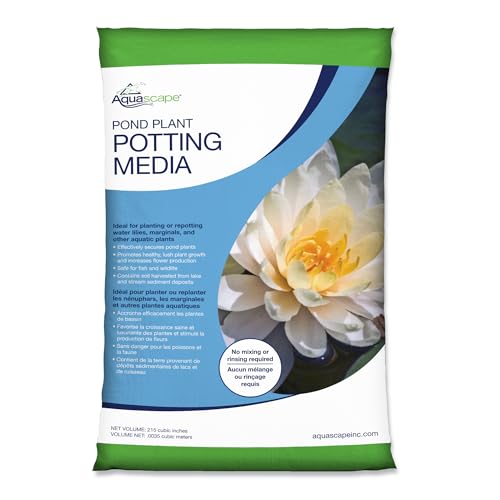
Specialized Aquatic Plant Soil – Formulated to promote healthy root establishment and robust growth for pond plants.

TEXAS GROWN SPIDER LILY BULBS are perfect for southern United States climates and have been raised locally in Texas, ready to be transplanted into your garden where they’ll sprout red flowers that burst open like a firework on 1-2 foot stalks.

【Natural Perlite Floating Particles】 White floating particles may appear after soaking—this is pure natural perlite, a lightweight mineral material commonly used in planting media. It is safe for plants and fish when used as directed, and may gradually settle, disperse, or break down into smaller inert particles over time. This is normal and not dirt or contamination, so you can use it with confidence
When Red Spider Lilies Bloom in Your Region

Red spider lilies burst into bloom during late summer and early fall, typically appearing between August and October depending on your climate zone and local weather patterns.
In USDA zones 7-10, you’ll notice flowers emerging when temperatures begin cooling after summer’s peak heat.
Local bloomtimes vary by several weeks based on elevation, sun exposure, and moisture levels in your specific area.
Urban microclimates often produce earlier blooms due to heat retention from pavement and buildings.
You can track your neighborhood’s exact timing by noting when the distinctive red blooms first appear each year, creating a reliable schedule for future seasons.
Recommended Products
TEXAS GROWN SPIDER LILY BULBS are perfect for southern United States climates and have been raised locally in Texas, ready to be transplanted into your garden where they’ll sprout red flowers that burst open like a firework on 1-2 foot stalks.

Exercise caution and use your best judgment before ordering during unusually hot or cold weather (below 32 degrees F, or in excess of 95F for shipping purposes), as these extremes may leave your plant vulnerable to damage. The optimal time for planting for most of our material is in mid to late spring, past the danger of hard frost. Please refer to our preferred shipping and planting guide for your area below.

🌺 STRIKING RED FALL BLOOMS Produces breathtaking scarlet-red spider lily flowers with elegant curling petals that bloom in late summer to fall, creating a dramatic display when many other flowers are fading.
White, Yellow, and Pink Lycoris Varieties

Beyond the classic red blooms, Lycoris radiata has several stunning relatives that branch out into white, yellow, and pink color variations, each offering distinct characteristics for your garden.
Lycoris albiflora produces pure white flowers that brighten shaded areas, while Lycoris aurea displays golden-yellow petals reaching 3-4 inches across.
Pink varieties like Lycoris squamigera bloom in late summer, attracting pollinators with their fragrant, trumpet-shaped flowers.
Some species feature variegated foliage with cream or yellow striping, adding visual interest even when not blooming. These alternatives require similar care to red spider lilies, thriving in well-draining soil with minimal maintenance throughout the growing season.
Companion Plants That Enhance Red Spider Lily Displays

Several groundcover plants create striking contrasts when paired with red spider lilies, filling the gaps left by their dormant foliage cycle and providing year-round visual interest in your garden beds. Hostas and ferns make excellent shade loving companions, thriving beneath deciduous trees where spider lilies naturalize.
You’ll find that crocus, daffodils, and other spring blooming understory bulbs emerge when spider lily foliage dies back in late spring, maintaining seasonal color. Liriope and mondo grass provide evergreen texture, growing 6-12 inches tall while spider lilies rest underground during summer months, creating layered displays throughout all four seasons.
Using Red Spider Lilies in Floral Arrangements

While these striking blooms enhance outdoor landscapes beautifully, they also make dramatic additions to cut flower arrangements when you harvest them at the right stage.
Cut stems when two or three flowers have opened, leaving others as buds that’ll continue opening indoors.
These blooms provide excellent textural contrast against softer flowers like roses or hydrangeas in a seasonal centerpiece.
You’ll want to recut stems at an angle, remove lower foliage, and change water daily since they’re relatively short-lived as cut flowers.
Their bold red color and spidery petals create instant visual impact in any arrangement.
Famous Red Spider Lily Viewing Spots in Japan

Japan hosts some of the world’s most spectacular red spider lily displays, with certain locations drawing thousands of visitors each September when these flowers blanket entire hillsides in crimson.
You’ll find prime seasonal viewing at Kinchakuda Park in Saitama Prefecture, where 5 million blooms create a stunning red carpet across 550,000 square feet. Tsuwano Town in Shimane Prefecture offers equally impressive displays, featuring local festivals that celebrate the flowers with traditional performances and food vendors.
Gongendo Park near Tokyo provides accessible viewing spots along rice paddy pathways, making photography easy during peak bloom times.
Red Spider Lily Photography Tips and Techniques

Capturing these striking blooms on camera requires specific techniques that account for their unique shape, vibrant color, and typical growing conditions.
You’ll want to experiment with macro lighting to highlight the delicate stamens, which extend prominently from each flower. Try shutter experimentation between 1/125 and 1/500 seconds to freeze movement on breezy days. Use bokeh techniques by setting your aperture to f/2.8 or wider, creating soft backgrounds that make red petals pop. Position yourself for low angle compositions, shooting upward at 15-30 degrees to capture flowers against the sky, emphasizing their elegant, curved stems and dramatic presence.
Contemporary Artists Inspired by Higanbana

The allure of higanbana has captivated numerous modern artists across painting, illustration, and digital media, who incorporate these crimson blooms into works ranging from traditional watercolors to contemporary anime backgrounds.
You’ll find these flowers featured in contemporary calligraphy pieces, where artists blend red petals with Japanese characters to create meaningful compositions.
Many galleries now host retrospectives showcasing higanbana-themed collections, displaying everything from minimalist ink drawings to elaborate oil paintings.
If you’re interested in viewing these works, check museum websites for upcoming exhibitions, or search online portfolios where digital artists share their interpretations of this symbolic flower.
Are Red Spider Lilies Endangered in the Wild?

Currently, red spider lilies face varying levels of threat depending on their specific location, though they’re not classified as globally endangered by major conservation organizations.
You’ll find that their conservation status varies by region, with some native populations experiencing decline due to habitat loss and development. The primary habitat threats include urbanization, agricultural expansion, and changes in traditional land management practices.
In Japan, where they’re culturally significant, wild populations receive better protection than in other areas.
You can help by supporting native plant conservation efforts and avoiding collecting specimens from wild populations, which helps preserve genetic diversity.
Frequently Asked Questions
Can I Grow Red Spider Lilies Indoors in Pots?
Yes, you can grow red spider lilies indoors in pots through container cultivation. They’re well-suited for indoor forcing, requiring well-draining soil and bright, indirect light. You’ll need to maintain proper watering schedules for success.
How Do I Propagate Red Spider Lilies From Existing Bulbs?
Like separating phoenix offspring from their parent, you’ll propagate through bulb division after flowering. Perform root pruning carefully, use soil sterilization techniques, and place divisions in shade propagation areas until they’re established and thriving independently.
Are Red Spider Lilies Safe Around Pets Like Cats and Dogs?
No, red spider lilies aren’t safe around pets. They pose serious toxic risks to cats and dogs. If your pets ingest them, watch for pet symptoms like vomiting, diarrhea, drooling, lethargy, and tremors. Contact your vet immediately.
How Long Do Red Spider Lily Blooms Typically Last?
You’ll see red spider lily blooms last about one to two weeks, with their bloom duration heavily influenced by weather conditions. The seasonal timing typically occurs in late summer through early autumn, creating their distinctive dramatic display.
Can Red Spider Lilies Survive in Tropical Climates?
Yes, you’ll find red spider lilies can survive in tropical climates due to their heat tolerance. However, they prefer moderate humidity levels rather than extremely humid conditions, so you’ll need to monitor moisture carefully for peak growth.
Conclusion
You’ve now discovered how red spider lilies bridge nature and culture, standing like sentinels between the living world and memory. You can grow these striking blooms in your own garden, photograph them during peak autumn weeks, or incorporate their symbolic meaning into art and design. Remember to handle bulbs carefully, respect their toxic properties, and choose planting sites with good drainage. Whether you’re creating floral arrangements or planning a photography trip, you’ll appreciate higanbana’s enduring beauty and depth.


