


A String of Pearls on death watch can often be saved with quick action. Check for mushy stems or black roots—signs of overwatering. Pull it from the pot, trim damaged parts, and let cut ends dry for a day. The right soil mix—30–60% perlite—makes a big difference. Drainage holes are non-negotiable. Bright, indirect light helps recovery. There’s more to get right.
Check for Signs Your String of Pearls Is Dying

Look closely at your String of Pearls to catch early warning signs before the plant declines further.
Discolored leaves—yellow, brown, or mushy—are common red flags.
Shriveled, deflated pearls suggest underwatering, while soft, squishy stems often mean overwatering or root rot.
Wilting and stunted growth signal stress.
Brown or black spots may indicate fungal issues from excess moisture.
Leggy growth with long stems and sparse pearls points to insufficient light.
If the soil stays wet for more than five days, root rot risk increases by up to 70%.
Check for dry, cracked soil too.
Early detection improves recovery chances markedly.
Act promptly to diagnose and correct the issue.
When watering, consider using a copper watering can for its antimicrobial properties that can help reduce fungal growth in the soil.
Stop Overwatering Your String of Pearls Now

Often, overwatering is the fastest way to endanger a String of Pearls, as these succulents store moisture in their round leaves and thrive on neglect. Yellow, mushy pearls and soft stems signal trouble.
To fix this, let the soil dry completely between waterings—usually every 2–3 weeks. Use a pot with drainage holes and a 50/50 mix of cactus soil and perlite for better airflow. For larger batches or frequent repotting needs, an electric soil mixer ensures consistent, well-aerated blends every time. Avoid saucers that trap water.
If root rot sets in—roots turn brown and mushy—trim affected parts and repot immediately. Watch for improvement within 10–14 days.
Prevention beats rescue; when in doubt, wait it out.
Recommended Products
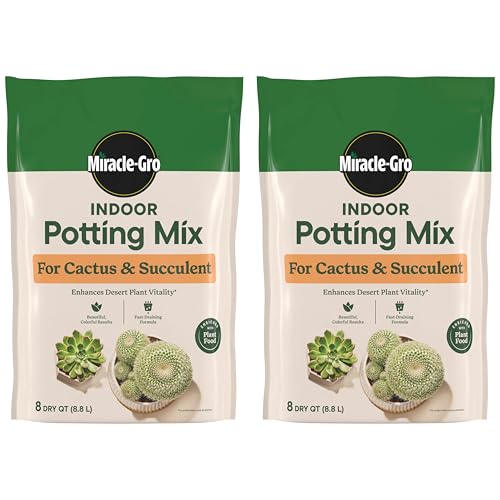
Miracle-Gro Indoor Potting Mix for Cactus and Succulent is enriched with Miracle-Gro Plant Food and enhances desert plant vitality (vs unfed plants when used as directed)

Includes 12qt of Back to the Roots Succulent & Cacti Mix Potting Soil. Carefully crafted with succulents and cacti in mind, this specialized blend provides the perfect nutrient balance for optimal growth

Includes 6qt of Back to the Roots Succulent & Cacti Mix Potting Soil. Carefully crafted with succulents and cacti in mind, this specialized blend provides the perfect nutrient balance for optimal growth
Fix Underwatering With Deep Soaks

While overwatering is a common issue, too little water can be just as harmful to a String of Pearls. Prolonged dry spells lead to shriveled pearls and crispy stems, but recovery is possible with prompt action.
- Remove brown, damaged leaves to redirect energy to healthy growth.
- Water deeply until 10–20% of water runs from drainage holes, ensuring full soil saturation.
- Wait to water again until the top inch of soil feels dry—usually every 2–3 weeks, depending on humidity and light.
Using a moisture meter (10–40% range) helps avoid guesswork. Though drought-tolerant, these succulents aren’t indestructible. Consistent deep soaks revive dehydrated roots and plump up shriveled foliage within days. Keep a stainless steel compost bin nearby to dispose of dead leaves and plant debris, turning waste into nutrient-rich compost for future plantings.
Recommended Products

Mini Watering Can:This 300ml matte black watering can fits perfectly on desks, shelves, or narrow windowsills. Its sleek metal finish elevates your home or office decor—no more hiding ugly tools!

Comfortable and Easily Use - The capacity is generous enough to water several plants before refilling. A high front lip prevents water from spilling from the top of the can during watering

💧HEALTHY AND RELIABLE MATERIALS:It is made of high quality and safe plastic, By adopting whole shaped technology, the product has the characteristic of high intensity and durability, no water leakage.
Give Your String of Pearls the Right Light

How much light does a String of Pearls really need to thrive? Bright, indirect light for 6–8 hours daily is ideal.
Too much direct sun—especially midday rays—scorches leaves, causing brown spots and shriveling. Harsh light can burn 30–50% of foliage in just days.
Too little light leads to leggy growth, with stretched stems and sparse pearls. An east-facing window offers gentle morning sun and minimal risk.
Rotate the pot weekly for even exposure. If natural light falls short, use a grow light at 12–18 inches for 10–12 hours. For consistent year-round lighting, consider investing in LED grow light panels designed specifically for indoor succulents.
Cut off damaged leaves—they won’t recover. Proper light keeps the plant compact, green, and healthy.
Recommended Products
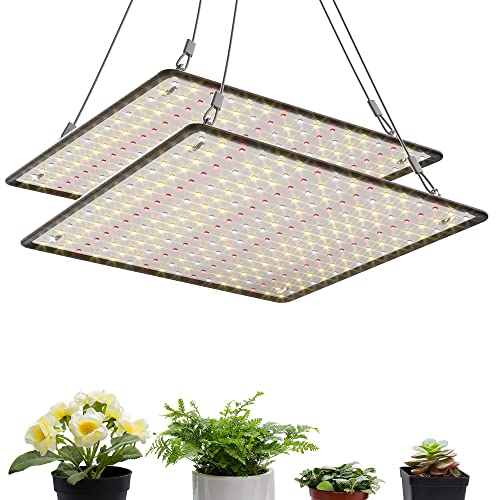
Advanced sunlike light spectrum optimization: These lights give your vegetation optimal light for flowering and fruit production with a red light spectrum that appears warm white to the eye. Show off your indoor garden without harsh or unsightly lighting.

FULL-SPECTRUM LED GROW LIGHTS: grow lights,spectrum 380 nm - 780 nm, similar to natural sunlight, have a significant impact on plant germination, flowering, fruiting, and chlorophyll synthesis to promote photosynthesis, very suitable for all stages Various plants such as orchids, salads,tomatoes, lemon trees, succulents, seed germination, and aquarium plants such as algae. . Rocoking plant growth lights can be installed in greenhouses,planting tents, even hotels, restaurants, offices...

Higher Output & Brighter Grow Light Panel---192 High Quality LEDs and 12W Actual Power per panel. 3x Brightness to other low price and messy wires panel grow light. Help your indoor plants growing better and healthier. 4Pack is Born for common plant shelves.
Save Your String of Pearls From Root Rot

Spotting root rot early gives your String of Pearls a real chance at recovery. Act quickly to prevent total collapse.
- Remove the plant from its pot and trim black, mushy roots with clean scissors; healthy roots are firm and white.
- Cut away damaged stems and leaves to redirect energy to healthy growth, reducing stress on the plant.
- Repot in fresh succulent mix (60% perlite, 40% soil) in a container with drainage holes to prevent future moisture buildup.
Place in bright indirect light and wait 7–10 days before watering.
Overwatering causes 80% of root rot cases—let soil dry fully between waterings.
If you’re looking to maximize vertical growing space for other plants, consider using a potato grow tower for efficient container gardening.
Use Fast-Draining Soil and a Pot With Drainage

To keep a String of Pearls thriving, start with the right foundation: a fast-draining soil mix and a pot that allows excess water to escape. Use a cactus or succulent blend with at least 50% perlite or pumice for ideal drainage. Regular potting soil holds too much moisture and can lead to root rot.
Always choose a container with drainage holes—terracotta pots work well by wicking away excess moisture. After watering, empty the saucer within 30 minutes to prevent soggy roots. These simple steps mimic the plant’s natural dry, rocky habitat and greatly reduce the risk of overwatering damage. Proper setup now prevents problems later.
For watering convenience and precision, consider using a stainless steel hose reel to manage your water delivery system efficiently while maintaining a clean, organized gardening space.
Keep Your String of Pearls in Stable Temperatures

For best results, keep String of Pearls in a spot where temperatures stay reliably between 60–95°F (15–35°C), avoiding sudden shifts that can stress the plant.
- Keep the plant away from drafty windows, air conditioners, heaters, and fireplaces to prevent temperature shock.
- Do not expose it to temps below 50°F (10–12°C), as cold damage can quickly lead to wilt and rot.
- Maintain consistent warmth and airflow—ideal humidity is around 40–50%, but the plant tolerates average indoor levels.
Stable conditions support steady growth and reduce stress, helping your String of Pearls recover and thrive long term. If you keep your plant outdoors during warmer months, consider displaying it in a cedar deck planter that offers natural insulation and drainage.
Keep Stems Safe From Pets and Bumping

Placing a String of Pearls out of reach helps prevent damage from curious pets and accidental bumps that can break its fragile, trailing stems. Even light brushing against furniture or foot traffic can snap stems, slowing growth and weakening the plant.
| Risk Factor | Prevention Tip |
|---|---|
| Cats chewing stems | Hang in inaccessible areas |
| Dogs knocking pots over | Use wall-mounted planters |
| Frequent human contact | Place in low-traffic zones |
| Stem brittleness | Limit handling to once monthly |
Strategic placement guarantees safety, encouraging healthy, uninterrupted trailing growth. Consider using outdoor vertical planters to elevate your String of Pearls while maximizing space and keeping the delicate stems safely away from ground-level hazards.
Propagate Surviving Stems to Save Your Plant

Even with careful placement and protection from pets or bumps, some String of Pearls stems may still suffer damage beyond repair.
- Select healthy, green stems at least 4 inches long; avoid any with mushiness or discoloration.
- Cut just below a leaf node using clean scissors, then let cuttings dry for 24 hours to form a callus.
- Place cuttings on top of well-draining succulent mix, pressing the cut end lightly into the soil; roots typically form within 7–10 days at 70°F (21°C).
Propagation gives new life to surviving tissue and guarantees the plant’s legacy continues, even if the original shows no signs of recovery. If kneeling becomes uncomfortable during this delicate work, a garden kneeler bench can provide essential support and reduce strain on your knees and back.
Water Only When the Soil Is Dry

When it comes to saving a struggling String of Pearls, getting the watering routine right is essential—overwatering is the leading cause of death in these succulents.
Water only when the top inch of soil is completely dry, which may take 7–10 days indoors. Stick a finger into the soil to check moisture.
These plants store water in their leaves and thrive in well-draining cactus or succulent mix with at least 50% perlite.
Always use pots with drainage holes and empty saucers after watering.
When in doubt, wait another day—underwatering is easier to fix than root rot. For more precise moisture monitoring, consider using a wireless soil thermometer that can help track soil conditions without disturbing the plant. Proper timing prevents mushy stems and encourages healthy, plump pearls.
Stop Problems Before They Start

A consistent watering routine sets the foundation for a healthy String of Pearls, but long-term success depends on preventing issues before they appear.
- Place the plant near an east-facing window for bright, indirect light—avoid harsh afternoon sun that scorches pearls (about 6–8 hours daily is ideal).
- Use a well-draining succulent mix with at least 30% perlite to prevent water retention and root rot.
- Keep it in a stable spot away from drafts, heaters, or AC units—temperature swings below 50°F (10°C) cause stress.
Prevention is easier than rescue. With the right setup, this delicate succulent thrives with minimal fuss.
Frequently Asked Questions
Can I Revive Completely Mushy Stems?
No, completely mushy stems cannot be revived. They are dead and should be removed to prevent rot spread. Healthy, firm stems may still be salvaged through propagation if any remain intact and disease-free.
Should I Fertilize During Recovery?
No, fertilizing during recovery is not recommended. A stressed String of Pearls needs stability, not nutrients. Focus on correcting watering, light, and root health first. Wait until new growth appears before resuming light fertilization in the growing season.
How Long Until New Growth Appears?
New growth emerges in four to six weeks. Patient care, proper light, and precise watering pave the path. Parched pearls perk up; plump, green pearls prevail. Recovery reveals resilience, rewarding the watchful, wary gardener with trailing tendrils of triumph.
Can Cold Water Shock the Plant?
Yes, cold water can shock the plant. Sudden temperature differences may stress roots, especially in cool environments. Using room-temperature water prevents thermal shock and supports stable hydration, reducing the risk of root damage and promoting healthier recovery during rehabilitation efforts.
Is Leaf Shedding Normal After Repotting?
Leaf shedding after repotting is normal. Stress from root disturbance, light changes, or moisture fluctuations can cause temporary leaf drop. Minimize handling, maintain stable conditions, and allow time for acclimation to reduce further loss.
Conclusion
So your String of Pearls is on life support? Ironically, the best way to save it is to do less—not more. Stop watering on schedule; wait until the top inch of soil is dry. Use a pot with drainage and a mix with 30–60% perlite. Trim rotted roots, let cuttings callus, then replant. Keep in bright, indirect light and above 50°F. Watch for firm, green growth—it’s the real sign of success.


