


Succulent centerpieces bring lasting beauty to any table with minimal care. They thrive in bright, indirect light and need watering only every 2–3 weeks. Using well-draining soil and containers with drainage holes prevents root rot. Arranging three or five plants creates visual balance. Add texture with stones or moss. The right mix turns a simple arrangement into a standout focal point. Next, consider how container choice affects both style and plant health.
Why Succulent Centerpieces Work for Any Table

When it comes to table decor, few elements offer the versatility and low maintenance of succulent centerpieces. They thrive in various settings, from rustic wooden slices to modern pedestal pots.
Most need watering only every 2–3 weeks, making them ideal for busy hosts. Their diverse textures, colors, and forms—like rosettes or trailing stems—create visual interest without fading.
Paired with candles, driftwood, or recycled containers, they adapt easily. Whether for weddings, patios, or dinner tables, succulents suit indoor and outdoor use.
With over 10,000 varieties available, choices range from bold vibrancy to subtle elegance, ensuring a fitting centerpiece for any occasion, season, or theme—all while staying budget-friendly and long-lasting. Elevate your display with decorative plant stand wood pieces that add height and dimension to your succulent arrangements.
Pick the Perfect Container for Your Succulent Display

Choosing the right container sets the foundation for a thriving, eye-catching succulent display.
Drainage holes are essential—about 80% of succulent issues come from overwatering. Use terracotta pots for breathability or glass vessels for decorative flair, but monitor moisture closely.
Containers like pedestal pots elevate visual interest, while recycled cans or tequila bottles add creative reuse value.
For beach themes, try clamshells or driftwood; for rustic charm, log slices work beautifully.
Match the vessel to the setting—indoor, outdoor, formal, or casual.
Size matters: allow at least 1–2 inches of space around each plant.
Consider investing in a premium terracotta pot set for a cohesive, professional look that pairs natural breathability with timeless style.
The right choice enhances both aesthetics and plant health, making the centerpiece both beautiful and sustainable.
Recommended Products

【Premium Quality】 Made of Top-Quality clay and baked at 1796°F high temperature, each Terracotta Flower Pots features great durability and crack resistance. All packages have passed the 3-foot drop test to ensure the pots stay intact during delivery.

【Premium Quality】Made of top quality clay and baked at high temperature , terracotta pots features great durability and crack resistance,all the productscome well. packaged to ensure the planters remained intact duringthe delivery process

Premium Quality: These terra cotta pots are constructed of high-quality clay, which allows more water and air to circulate freely within the pots while yet maintaining their structural integrity. It’s an excellent choice for cactus, succulents, and other plants that thrive in dry soil, and it’s also appropriate for areas with lower temperatures. The high air permeability of the pot walls helps the soil to dry out more quickly
Choose Vibrant Succulents for Maximum Color Impact

A well-chosen container sets the stage, but the real pop comes from the plants themselves. For bold color impact, select succulents with vibrant hues like gold, orange, or red. Varieties such as Echeveria ‘Fireball’ or Sedum ‘Angelina’ offer bright tones year-round. Pair chartreuse with deep purple for contrast. About 70% of visual appeal comes from color contrast, not container size.
Use three to five plants per arrangement for balance. Rotate displays seasonally to maintain freshness. These hardy plants need only moderate sunlight and weekly watering. Consider planting your arrangement in an outdoor copper planter to add warm metallic tones that complement the natural colors of your succulents. With the right mix, even small centerpieces make a strong statement on tables indoors or out. Color drives attention—choose wisely.
Recommended Products

Care Guidelines: Succulents are known for their easy care needs. Place your echeveria and rosette varieties in bright, soft sunlight and water sparingly, allowing soil to fully dry between waterings. These plants thrive with good air circulation.

BULK SUCCULENT PACK: Elevate and style any space with 50 freshly-grown succulents grown in 2 in. grower pots

Care Guidelines: Succulents are known for their easy care needs. Place your echeveria and rosette varieties in bright, soft sunlight and water sparingly, allowing soil to fully dry between waterings. These plants thrive with good air circulation.
Use Pedestal Pots to Elevate Your Centerpiece

On a pedestal, both literally and visually, these centerpieces draw the eye upward and command attention.
Using a pedestal pot elevates the succulent display, creating a focal point on dining or entryway tables. The raised base adds height—typically 6 to 12 inches—enhancing visibility without overcrowding the surface.
Pair a white or metallic stand with colorful succulents like echeveria, sedum, and crassula for contrast.
Make sure the pot has drainage holes, or use a liner to prevent root rot.
This design works indoors or on patios.
Though it looks complex, assembly takes under 20 minutes.
With minimal care, the arrangement thrives for months, offering lasting visual impact. For outdoor spaces, consider pairing your pedestal centerpiece with large outdoor planters to create cohesive garden styling throughout your patio or deck area.
Recommended Products

Best Material: The Royal Imports pedestal bowl is crafted of best hard plastic that will not break or bend out of shape when used outdoors. Its best material will not fade or discolor from the sun or rain. Each silver footed bowl is uniquely designed in a timeless round shape which will remain a household staple for use as planter, succulent terrarium, serving dish, snack tray or vase.

Best Material: The Royal Imports pedestal bowl is crafted of best hard plastic that will not break or bend out of shape when used outdoors. Its best material will not fade or discolor from the sun or rain. Each silver footed bowl is uniquely designed in a timeless round shape which will remain a household staple for use as planter, succulent terrarium, serving dish, snack tray or vase.
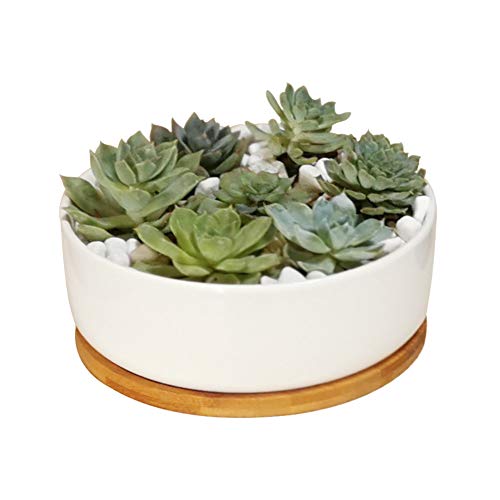
Perfect for displaying live 3 or 4 miniature plants such as succulents, herb and small cacti.
Combine Succulents With Moss for Lush Texture

For a richer, more dynamic look, pairing succulents with moss adds depth and soft texture to arrangements. This combination creates a lush, full appearance using contrasting forms—succulents offer structure, while moss adds a carpet-like ground cover. Both living and preserved moss work well; preserved requires no light or water (100% maintenance-free). Use sheet moss or cushion moss for best results.
| Moss Type | Light Needs | Water Frequency |
|---|---|---|
| Living Sheet | Medium | Every 5–7 days |
| Preserved | None | None |
| Cushion (live) | Low | Every 10 days |
Add Driftwood for a Rustic Coastal Look

With its weathered texture and natural charm, driftwood brings a rustic coastal vibe to succulent centerpieces. It works well as a base or anchor for small succulents like echeveria or sedum. Choose pieces with crevices to hold soil and plants securely. Secure plants using floral wire or non-toxic glue, ensuring roots stay in contact with soil. Place in bright, indirect light. Water sparingly—about 2–3 tablespoons weekly, depending on climate. Overwatering causes root rot. Driftwood should be fully dry between waterings. For best results, use preserved driftwood cleaned with a 10% bleach solution.
Pair with sea glass or shells for added coastal flair. When not in use, protect your arrangement from the elements with a patio storage cabinet to keep materials dry and organized. A DIY tutorial online offers step-by-step visuals.
Try Repurposed Bottles and Cans for Unique Style

Repurposing bottles and cans offers a creative twist on succulent centerpieces, building on the natural charm seen in driftwood designs but shifting toward urban reuse. Glass tequila bottles, sangria jars, or cleaned tin cans make unique planters.
Remove labels, wash thoroughly, and use a drill or bottle cutter for drainage if needed—about 1/8-inch holes work best. Fill with cactus mix soil, add small succulents like echeveria or haworthia, and place in bright, indirect light.
These vessels suit small spaces, desks, or tables. Grouping three or more creates visual impact.
Upcycling reduces waste by up to 30% compared to buying new pots, blending eco-friendliness with style. For a more traditional aesthetic, consider pairing your repurposed containers with a copper watering can to maintain their moisture needs while adding timeless elegance to your display.
Pair Succulents With Candles for Warm Ambiance

Adding a soft glow to tabletops, succulents paired with candles create a warm and inviting centerpiece for dinners or gatherings.
Arrange small succulents around tea lights or pillar candles in a shallow dish.
Use heat-resistant materials like ceramic, stone, or metal to avoid fire risks.
Place candles at least 2 inches apart from plants.
For safety, choose LED candles if pets or kids are present.
Real or preserved moss adds texture and holds moisture.
This design works indoors or on covered patios.
Trim any dry leaves weekly.
With minimal care, the arrangement lasts weeks.
It’s an easy way to blend greenery and light.
Perfect for holidays, weddings, or quiet evenings.
For a more durable and elegant base, consider using stone resin planters that complement the natural beauty of your succulents.
Create Beach-Themed Centerpieces With Shells and Sand

A beach-themed centerpiece using succulents, shells, and sand brings coastal charm to any table with minimal effort.
Use a shallow bowl or tray as the base, then layer clean, dry sand about one inch thick.
Nestle small succulents like echeveria or sedum into the sand, spacing them evenly.
Add faux clamshells, starfish, or sea glass for authentic beach flair.
Driftwood pieces enhance texture and height.
Water sparingly—about once a week—to avoid rot.
Place in bright, indirect light.
This low-maintenance display works well for patios, dining tables, or entryways.
For durability, use preserved moss or artificial succulents in high-traffic areas.
To complete your outdoor oasis, consider adding a solar garden fountain nearby to create soothing water sounds that complement the coastal aesthetic.
Design Outdoor Succulent Displays for Patios and Decks

When designing outdoor succulent displays for patios and decks, start by choosing a location that receives at least six hours of sunlight per day, since most succulents thrive in bright, direct light.
- Use weather-resistant containers like glazed ceramic or treated wood to prevent cracking or rot
- Group plants with similar water needs; succulents typically require watering only every 10–14 days
- Elevate displays with pedestal pots or stands to create visual depth and improve drainage
- Mix textures by combining rosette-shaped echeverias with trailing sedums for dynamic contrast
Consider using a stainless steel planter box for a sleek, modern look that withstands harsh weather conditions while providing excellent drainage and durability. Well-placed sunlight and smart pairings make certain long-lasting, low-maintenance displays that enhance outdoor living spaces naturally.
Mix in Natural Elements Like Bamboo and Stones

With a focus on texture and balance, incorporating natural elements like bamboo and river stones elevates succulent centerpieces while reinforcing a serene, earthy vibe.
Arrange short bamboo stalks around the base for a clean, linear look.
Use smooth river stones to cover soil, reducing moisture loss by up to 30% while adding visual weight.
Combine with neutral-toned pots for cohesion.
These materials require no maintenance and resist mold.
For best results, clean stones with mild soap and rinse bamboo monthly.
This mix works well indoors or in covered outdoor areas.
The design suits minimalist, spa-like, or Zen-inspired settings.
It’s simple, sustainable, and enhances natural beauty without overpowering the succulents.
For larger displays with multiple succulents, consider a bamboo plant shelf large to create vertical interest and showcase your collection.
Build Your Centerpiece: Step-by-Step Tutorial

Now that the foundation of natural materials has set a calm, balanced stage, it’s time to assemble the centerpiece itself.
Choose a container like a pedestal pot, driftwood base, or recycled jar. Add well-draining soil (60% perlite, 40% potting mix). Position succulents by size, leaving 1–2 inches between plants for growth.
- Select a theme: beachy, rustic, or modern
- Use odd numbers of plants for visual balance
- Water lightly after planting; avoid soggy soil
- Place in bright, indirect light for best results
Final touches like moss or candles enhance appeal.
Frequently Asked Questions
Can I Use Fake Succulents for a Low-Maintenance Centerpiece?
Yes, fake succulents work well for a low-maintenance centerpiece. They require no watering or sunlight, retain their appearance indefinitely, and offer realistic visual appeal, making them ideal for long-lasting, hassle-free table displays.
How Often Should I Water Succulents in Sealed Containers?
Succulents in sealed containers rarely need water—typically none at all—since moisture recycles internally; overwatering risks rot, so skipping irrigation altogether preserves health and beauty, defying assumptions about plant care while ensuring enduring, vibrant displays without maintenance burdens.
Are Succulent Centerpieces Safe for Outdoor Weddings in Rain?
Succulent centerpieces can withstand light rain but prolonged exposure may cause rot; using waterproof containers and elevating arrangements helps protect them during outdoor weddings in damp conditions.
Can I Plant Succulents in Containers Without Drainage Holes?
Nine out of ten succulents thrive when drainage is managed carefully. Yes, they can be planted in containers without drainage holes, but only with strict watering control and well-draining soil to prevent root rot.
What’s the Best Way to Preserve a Pumpkin Succulent Planter?
The best way to preserve a pumpkin succulent planter involves applying a fungicidal spray, keeping it in a dry environment, and avoiding overwatering to prevent rot while maintaining its structural and visual integrity over time.
Conclusion
Succulent centerpieces last up to three years with minimal care, thriving in 80% of home environments when given bright, indirect light. Choose well-draining soil and water only when dry to prevent rot. These living arrangements stay fresh longer than cut flowers, making them a smart, stylish choice. With the right setup, your centerpiece will stay vibrant and healthy for seasons.


