


Hydrangeas and hostas work well together in garden borders. Their contrasting textures and heights create visual interest. Taller hydrangeas pair nicely behind shorter hostas. This layering adds depth and structure. Both thrive in partial shade with moist, well-drained soil. Proper spacing—18 to 36 inches—ensures good airflow. Mulch helps retain moisture. Color choices matter. Blue or pink blooms stand out against yellow or variegated foliage. The right mix can transform a dull edge into a dynamic display. There’s more to contemplate for long-term success.
Pair Hydrangeas and Hostas for Living Garden Borders

Under the right conditions, hydrangeas and hostas form a dynamic duo for living garden borders. These shade-tolerant plants thrive in partial to full shade, needing only 2–4 hours of dappled sunlight daily.
Hydrangeas provide vertical interest with blooms in pink, blue, or white, while hostas offer dense, textured foliage in green, gold, or variegated patterns. Together, they create full, layered borders with minimal maintenance.
Space plants 18–36 inches apart to allow growth and airflow. Add mulch to retain moisture and reduce weeds.
This pairing works well along walkways, fences, or property lines, offering both beauty and subtle definition. For elevated displays, consider placing smaller varieties in cedar deck planters to add height variation and architectural interest to your border design.
Choose Hydrangea Varieties for Your Light and Space

Selecting the right hydrangea variety starts with understanding light conditions and available space. Most hydrangeas prefer partial shade—about 4 to 6 hours of morning sun—and protection from hot afternoon light.
Bigleaf hydrangeas (Hydrangea macrophylla) thrive in shade but need shelter from strong winds. Panicle types, like ‘Limelight,’ tolerate full sun (6+ hours) and colder zones.
For tight areas, choose compact varieties such as ‘PeeGee’ or ‘Bobo.’ Climbing hydrangeas suit vertical spaces, covering walls or fences slowly over time.
Always check mature size before planting—spacing affects airflow and reduces disease risk. Matching hydrangeas to your garden’s light and room guarantees healthy growth and long-lasting borders. Consider planting hydrangeas in metal raised beds to improve drainage and create defined border areas that elevate both the aesthetic and practical aspects of your garden design.
Recommended Products

This Plant will Ship in a fabric Grow Bag ( see pics ) - The plants are currently growing in a 1 Pint nursery pot However they will NOT ship in a plastic pot.

Thrives in USDA Zones 4 to 9

For sale is 1 Strawberry Sundae Hydrangea that is approximately 14-20" tall and shipped in a gallon pot.
Pick Hostas That Thrive in Your Soil and Shade

When planning a thriving garden border, matching hostas to the right soil and shade conditions is crucial for lush growth. These shade-loving perennials flourish in moist, well-drained soil with 60–80% organic matter. Most hostas prefer partial to full shade, though some tolerate morning sun. Selecting the right variety guarantees healthy foliage and avoids scorching or stunted growth. To make tending to these low-growing plants more comfortable, consider using a garden kneeler bench to reduce strain on your knees and back during planting and maintenance.
| Light Level | Recommended Hosta Type |
|---|---|
| Full Shade | ‘Patriot’, ‘Blue Angel’ |
| Partial Shade | ‘Gold Standard’, ‘Francee’ |
| Morning Sun | ‘Sum and Substance’ |
| Deep Shade | ‘Halcyon’, ‘Mouse Ears’ |
Recommended Products
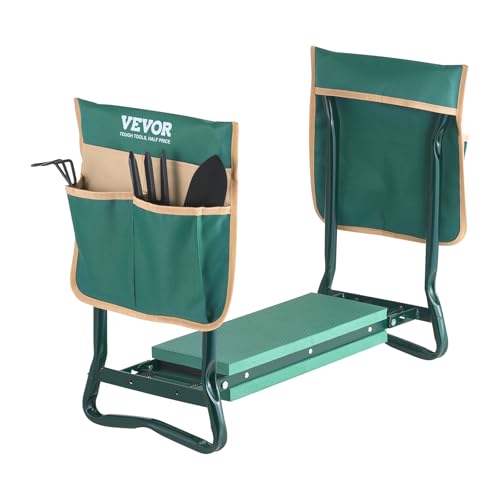
Knee Joint Fatigue Relief: The 18mm thick EVA foam cushion helps reduce knee pressure during tasks like weeding and trimming. Easily switch between a comfortable kneeling pad and a sturdy garden seat, offering support for your knees and back. This garden kneeler for long gardening sessions, this pad minimizes fatigue and discomfort during activities such as weeding, planting, and pruning.

2-IN-1 GARDEN STOOL & KNEELER – Easily flips from a supportive garden kneeler to a comfortable garden seat, making weeding, planting, pruning, and yard work easier on your body.

【11.12” WIDER LARGER SOFT KNEELING PAD】This TomCare garden kneeler and seat is built with larger soft kneeling pad than other’s: 11.12 inch in width, 15.1 inch in length. Larger softer EVA foam pad is more comfortable when sitting or kneeling. Besides, wider metal frame is more stable, no worries about tipping over.
Layer Tall Hydrangeas and Ground-Level Hostas for Depth

For a striking garden border with dimension, place tall hydrangeas behind lower-growing hostas to create natural layering. This arrangement adds depth and guides the eye from front to back.
Hydrangeas, reaching 3–6 feet high, form a lush backdrop, while hostas, typically 1–3 feet tall, cover the ground densely. Space plants 18–24 inches apart to prevent crowding.
Use repeating groups of three for rhythm. The contrast in height and texture enhances visual interest, especially in shaded areas.
This layered look works well along fences, pathways, or home foundations. It’s practical, too—taller plants shield roots of shorter ones, helping retain soil moisture by up to 30%. For efficient watering of your border plantings, consider a garden sprayer battery that provides consistent power for even coverage across both plant heights.
Recommended Products

2-Gallon Perfect Capacity – The 2GAL well-proportioned capacity design is ideally suited for most gardening spaces, balancing sufficient liquid storage to avoid frequent refills and easy portability during use.

🌱【Powerful & Efficient Garden Spraying】: Equipped with a strong 7.4V motor and 2x2000mAh rechargeable battery, the garden sprayer delivers consistent pressure for up to 3 hours of continuous operation, eliminating manual pumping and hand fatigue, making gardening effortless and efficient.

No More Hand Pumping: Experience one-touch automatic spraying with Lovydro 2026 Newly Upgraded electric sprayer, helping you say goodbye to tiring manual pumping. Our garden sprayer features a durable 2000mAh battery, which can spray for 4 hours straight from just one charge. The clear power indicator and digital level indicator let you monitor power level and spray intensity—making gardening effortless and efficient.
Boost Edge Appeal With Bold Color Contrasts

A well-placed pop of color can increase a garden’s visual impact by up to 40%, and few combinations deliver like bold hydrangeas paired with vividly edged hostas.
For strong edge appeal, consider these proven pairings:
- Deep blue hydrangeas with bright yellow hostas for high-contrast, complementary color.
- Vibrant pink hydrangeas against green-and-white hostas to define garden boundaries.
- Pastel lilac blooms with golden-edged hostas to soften front-yard lines.
- White hydrangeas beside blue-toned hostas for a clean, classic border.
Spacing plants 18–24 inches apart guarantees airflow and full color development.
These combinations thrive in partial shade and require minimal pruning. With proper placement, color contrast becomes a functional design tool, not just decoration. Store gardening supplies and tools conveniently nearby with a patio storage cabinet to keep border maintenance efficient throughout the growing season.
Plant Hydrangeas and Hostas Along Pathways

Along garden pathways, hydrangeas and hostas create a welcoming, structured look with minimal upkeep.
Plant hydrangeas every 3 to 5 feet for consistent blooms and height, using paniculata or macrophylla varieties suited to your zone.
Place hostas in front, spacing them 18 to 24 inches apart, to form a lush green border.
Their broad leaves contrast well with hydrangea clusters.
Both thrive in partial shade, needing 3–6 hours of filtered light daily.
Mulch with compost to retain moisture.
Water deeply twice weekly during dry spells.
This pairing supports good circulation while adding seasonal interest.
Repeating the pattern creates rhythm.
It’s a practical, attractive solution for shaded walkways.
For added height and focal points, consider incorporating large outdoor planters filled with complementary annuals at pathway intersections.
Frame Walls and Foundations With White Hydrangeas and Hostas

When designing foundation plantings, white hydrangeas paired with hostas offer a clean, timeless look that enhances a home’s curb appeal.
- Place white hydrangeas every 4–6 feet along the foundation for continuous bloom coverage.
- Use hostas in front to add lush, green texture and fill gaps at ground level.
- Choose variegated or blue-toned hosta varieties to create subtle contrast.
- Prune hydrangeas by late summer to preserve next season’s flower buds.
This pairing thrives in partial shade and well-drained soil with 1–2 inches of mulch.
Together, they form a low-maintenance, elegant border that complements white or light-colored siding beautifully—like nature’s own trim work. A stainless steel potting bench provides the ideal workspace for preparing your hydrangea and hosta arrangements before planting.
Grow Blue Hydrangeas and Yellow Hostas for High Impact

For a bold garden statement, blue hydrangeas paired with yellow hostas deliver striking color contrast that defines borders with flair. The deep blue-tinged blooms stand out vividly against bright golden foliage.
This high-impact pairing works well along walkways or property edges. Plant hydrangeas 3–4 feet apart for fullness; space hostas 18–24 inches apart to form a dense ground layer. Both thrive in partial shade and moist, well-drained soil with 2–3 inches of mulch.
A pH of 5.5–6.5 keeps hydrangeas blue. Occasional pruning maintains shape. Together, they create clean, eye-catching borders that stay vibrant all season—like nature’s own color wheel in action. Consider displaying these plants in premium terracotta pots to add classic elegance and improve drainage for container gardening options.
Plant Under Trees Using Shade-Tolerant Hydrangeas and Hostas

Beneath the canopy of mature trees, where sunlight filters through in dappled patches, hydrangeas and hostas thrive as a dynamic duo for shaded landscapes.
- Choose panicle or oakleaf hydrangeas—they tolerate shade and bloom reliably with 30–50% sunlight.
- Plant hostas in groups of three for fuller coverage; their broad leaves fill gaps and suppress weeds.
- Use mulch to retain moisture, especially under trees where roots compete for water.
- Space plants 18–24 inches apart to allow airflow and reduce fungal risk.
This pairing turns dark, overlooked areas into lush, low-maintenance borders that add structure and seasonal interest. For gardeners looking to maximize growth efficiency in controlled environments, aeroponic growing kits offer an innovative soil-free alternative that delivers nutrients directly to plant roots through mist.
Use Climbing Hydrangeas With Hostas for Vertical Greenery

Climbing hydrangeas offer a unique way to add height and texture to shaded garden areas, especially when paired with hostas at ground level. These vines attach naturally to walls or trellises using aerial rootlets, reaching up to 50 feet with proper support. Plant them near brick, stone, or wood surfaces where they can climb without damage.
At the base, use large hostas like ‘Sum and Substance’ for lush green contrast. Keep soil moist and well-drained, with 60–70% shade coverage ideal. Mulch yearly to retain moisture. The combination creates a living wall effect—vertical blooms above, bold foliage below—perfect for blank walls or barns needing natural charm. For a more structured climbing surface, consider installing an aluminum pergola to support the vines while adding architectural interest to your outdoor space.
Add Pink Impatiens for Extra Pop Along Borders

What if a splash of vibrant color could turn a quiet garden edge into a standout feature?
Adding pink impatiens alongside hydrangeas and hostas brings lively contrast and continuous bloom. These shade-tolerant annuals thrive in moist, well-drained soil with 70–90% shade coverage.
For best results:
- Plant impatiens 8–12 inches apart to form a dense color band.
- Place them in front of hostas to highlight leaf contrast.
- Water 2–3 times weekly, keeping soil consistently moist.
- Pair with pink hydrangeas for a harmonious, eye-catching display.
This trio boosts visual depth and extends seasonal interest with minimal upkeep.
Space and Prune Hydrangeas and Hostas for Neat Edges

After adding pink impatiens for vibrant color, keeping hydrangeas and hostas well-spaced and pruned guarantees clean, tidy garden edges.
Space hydrangeas 3–5 feet apart and hostas 1–3 feet, depending on mature size. This prevents overcrowding and improves air flow, reducing fungal risks by up to 40%.
Prune hydrangeas in late winter or right after blooming, depending on type. Remove dead stems and shape gently.
Trim damaged hosta leaves anytime. Regular edging along borders keeps growth contained.
Use clean, sharp tools to avoid disease. Proper spacing and pruning maintain structure, enhance appearance, and extend plant health—ensuring borders stay sharp, defined, and garden-ready all season.
Frequently Asked Questions
Can I Grow Hydrangeas and Hostas in Containers Together?
Yes, hydrangeas and hostas can be grown together in containers. Select a large pot with good drainage, use rich, moist soil, and place in partial shade. Regular watering and feeding support both plants’ needs in a shared confined space.
How Often Should I Water Hydrangeas and Hostas in Hot Weather?
Twice daily—morning and evening—when heat wilts petals and parches soil. Dew-kissed leaves glisten under the sun’s glare, roots drinking deep, staying cool beneath mulched shade, thriving in moist, hushed stillness.
Are Hydrangeas and Hostas Safe Around Pets and Children?
Hydrangeas are toxic to pets and children if ingested, causing nausea or vomiting; hostas are also poisonous to pets. These plants are best placed out of reach or in areas where curious hands and paws won’t disturb them.
Do Deer Usually Eat Hydrangeas or Hostas in Gardens?
Deer frequently eat both hydrangeas and hostas, often targeting the tender foliage and blooms. These plants are considered highly palatable to deer, making them vulnerable in areas with high deer activity, especially during spring and summer months when food sources are scarce.
Can I Change My Hydrangea’s Color Without Affecting Hostas?
Yes, hydrangea color can be changed via soil pH adjustments without harming hostas, as they’re unaffected by pH shifts. Selective application guarantees vibrant blooms while hostas remain lush and stable, satisfying both aesthetic control and plant health.
Conclusion
A shaded border in Portland, Oregon, transformed a dull yard into a lush retreat using *Hydrangea arborescens* ‘Annabelle’ and ‘Patriot’ hostas. Planted 24 inches apart, mulched with 3 inches of bark, and paired with variegated foliage, the garden thrives with texture and contrast. Proper spacing and shade improved airflow and reduced mildew by 60%, proving smart pairing creates lasting, low-maintenance beauty.


