


Picture yourself standing in a garden where colors blend perfectly and every plant makes its neighbor look better. You don’t need years of experience to create beautiful flower combinations. The right pairings work because they share similar needs and complement each other’s shapes, heights, and colors. We’ve gathered twenty-two proven combinations that’ll transform your outdoor space into something you’re proud to show off, and each one is easier to grow than you might think.
Key Takeaways
- Roses and lavender create classic combinations with complementary colors and fragrances, both thriving in full sun and well-draining soil.
- Marigolds paired with zinnias provide vibrant, heat-tolerant summer displays that attract pollinators and require minimal maintenance until frost.
- Daylilies and salvia form enduring perennial partnerships with long-lasting blooms, contrasting heights, and minimal care once established in gardens.
- Hydrangeas and hostas thrive together in shade with similar moisture needs, offering textural contrast and seasonal interest throughout growing seasons.
- Clematis and climbing roses create dramatic vertical displays, blooming at different times for extended color with proper support and spacing.
Roses and Lavender for Timeless Elegance

When you pair roses with lavender, you create a classic combination that’s stood the test of time. The fragrant blooms complement each other beautifully, and their colors work together in pleasing harmony.
Purple lavender provides a soft backdrop for pink, red, or white roses. You’ll appreciate how lavender’s silver-green foliage highlights the roses’ deeper green leaves.
This pairing also makes garden maintenance easier since both plants prefer similar growing conditions. They both need full sun and well-draining soil to thrive.
The lavender will bloom first in early summer, and your roses will follow close behind.
For optimal growth of these delicate plants, consider using microgreen growing trays to start your seedlings indoors before transplanting them into your garden beds.
Recommended Products

Grow Your Own Sunflower, Daisy, Lavender, Mini Rose from Seed: This complete Buzzy Seeds grow kit gives you everything to raise all four right at home in genuine mini terracotta pots, a thoughtful, hands-on project for indoor & outdoor spaces.

Grow Your Own Mini Rose, Lavender from Seed: This complete Buzzy Seeds grow kit gives you everything to raise cheerful mini rose and lavender right at home in a metal planter, a thoughtful, hands-on project for indoor spaces.

Dual-Purpose Hydroponic Garden Jar: What starts as a stylish accent with a sleek, recyclable mason jar quickly becomes a flourishing hydroponic growing system kit; Designed to bring fresh greenery into any indoor space, it transforms countertops, desks, windowsills, or shelves into lively green corners, providing fresh growth for months
Black-Eyed Susans and Purple Coneflowers for Prairie Charm

If you want to bring the beauty of the American prairie to your garden, black-eyed Susans and purple coneflowers make an excellent pair.
These cheerful blooms complement each other perfectly with their golden-yellow and purple hues. Both plants thrive in full sun and tolerate drought well once established. They’ll bloom from midsummer through fall, attracting butterflies and bees to your yard.
Garden maintenance stays simple since these native wildflowers resist most pests and diseases. Basic flower care involves deadheading spent blooms to encourage more flowers, though you can leave seed heads for winter bird feeding.
They’re tough, reliable, and naturally beautiful together. Consider installing a smart watering system to maintain consistent moisture during establishment, ensuring these drought-tolerant plants get the hydration they need in their first season.
Peonies and Alliums for Striking Contrast

The pairing of peonies and alliums creates one of spring’s most dramatic displays.
You’ll love how spherical allium varieties rise above the lush peony blooms, and their contrasting colors make stunning garden design statements. Purple alliums perfectly complement pink or white seasonal blooms below.
The different flower textures create aesthetic balance in your beds. Peony care stays simple with proper spacing for airflow.
Plant pairing works best when alliums bloom slightly earlier than peonies. This combination offers fragrance combinations that attract beneficial insects.
Your garden aesthetics improve dramatically when you mix these height differences and complementary shapes together effectively. Consider using cedar deck planters to showcase these beautiful flower combinations in a stylish container garden display.
Marigolds and Zinnias for Vibrant Summer Color

Marigolds and zinnias bring cheerful warmth to your summer garden beds. These reliable bloomers thrive in hot weather and create a lively color display that lasts until frost.
Plant them together for maximum impact in your borders. Choose marigold varieties like French or African types to complement tall or dwarf zinnias, and you’ll enjoy weeks of continuous flowers.
Mix zinnia colors from coral to magenta with golden or rust-colored marigolds for beautiful combinations. Both plants attract pollinators and require minimal care beyond regular watering.
Deadhead spent blooms weekly to encourage more flowering throughout the season. Display these vibrant flowers in stone resin planters for a polished, long-lasting garden presentation.
Recommended Products

【One Pack for All Your Planting Needs】This all-in-one collection is in individual packs, it includes 5 popular varieties of flower seeds: Zinnia-mixed colors, Lavender, Sunflower, Marigold and Nasturtium. Plant multiple varieties at once—no need to buy separate packs of each variety. Perfect for spring/summer outdoor planting, they turn your garden, patio or outside space into a colorful paradise.

【One Pack for All Your Planting Needs】This all-in-one collection is in individual packs, it includes 10 popular varieties of flower seeds: Zinnia-minx color, lavender, sunflower, marigold, cosmos, nasturtium, snapdragon, borage, yarrow and calendula. Plant multiple varieties at once—no need to buy separate packs of each variety. Perfect for spring/summer outdoor planting, they turn your garden, patio or outside space into a colorful paradise.

Fast, reliable sprouting: These Marigolds plant seeds are easy to start indoors 4–6 weeks before frost or direct sow; Marigold seeds for planting outdoors & indoors germinate in 7–21 days at 65–80 °F, plant 1/4" deep. Ideal garden seeds for beginners.
Daylilies and Salvia for Long-Lasting Blooms

While summer annuals provide quick color, perennials like daylilies and salvia create a more enduring garden foundation.
You’ll find daylilies colors ranging from soft yellow to deep burgundy. Each bloom lasts just one day, but new buds keep opening for weeks.
Salvia varieties complement daylilies perfectly with their tall, spiky flowers. Try pairing orange daylilies with deep blue salvia for striking contrast. Purple salvia also looks wonderful alongside yellow daylilies.
Both plants tolerate heat well and need minimal care once established. You can divide daylilies every few years to spread them throughout your garden beds for continued beauty. A large compost tumbler will help you create nutrient-rich soil amendments to keep your perennials thriving year after year.
Recommended Products

When received, the plant will be in seasonal condition with appropriate foliage. If shipped between November 1st and March 1st, the plant may be dormant and trimmed. Plant is fully rooted in the pot ready for immediate planting
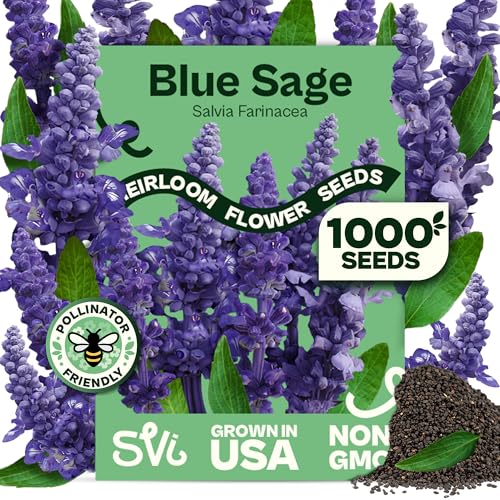
Heat & Drought Tolerant: Blue sage seeds grow into 18 inch perennial salvia spikes that thrive in full sun and rocky soils, ideal blue wildflower seeds for USDA zones 2-12 and pollinator garden seeds.

Bold Color: Deep red blooms with a striking appearance.
Tulips and Forget-Me-Nots for Spring Romance

When spring arrives, tulips and forget-me-nots create one of nature’s most charming partnerships.
You’ll love how tall tulips rise above carpets of tiny blue blooms. This combination works beautifully in romantic garden designs.
Plant tulip bulbs in fall, about six inches deep. Then scatter forget-me-not seeds around them in early spring.
The blue flowers complement any tulip color you choose, and they’re especially stunning with pink or purple varieties.
These spring color palettes require minimal maintenance once established. The forget-me-nots will self-seed each year, so you’ll enjoy this pairing for many seasons without replanting.
For a more structured and durable garden display, consider growing these flowers in metal raised beds to create defined planting areas and improve drainage.
Dahlias and Ornamental Grasses for Texture and Drama

As spring’s delicate blooms fade, summer gardens call for bolder plant partnerships.
Dahlias paired with ornamental grasses create stunning visual interest in your beds. The flowers provide vibrant focal points while grasses add movement and softness. You’ll find dahlia color combinations work beautifully against feathery grass textures—try burgundy dahlias with bronze fountain grass or coral blooms beside maiden grass.
Plant dahlias in front with grasses behind them for proper height layering. This pairing thrives because both plants enjoy similar growing conditions and peak together in late summer.
Different ornamental grass varieties let you customize the look you want. Consider extending your garden’s appeal into the evening hours by adding an outdoor fire table nearby to enjoy the late-summer blooms as daylight fades.
Petunias and Sweet Alyssum for Cascading Beauty

Containers and hanging baskets come alive with petunias and sweet alyssum together.
You’ll see petunias trailing down while sweet alyssum fills gaps with tiny blooms. Sweet alyssum benefits include attracting beneficial insects and tolerating light shade beneath taller flowers.
Plant petunias in full sun for best performance. Petunia care tips include deadheading spent blooms weekly and fertilizing every two weeks for continuous flowering.
Sweet alyssum self-seeds readily, so you’ll get volunteers next season.
Water when soil feels dry an inch down, and both plants will reward you with months of colorful cascades that soften container edges beautifully. Organize your container garden efficiently by using rolling plant grow carts to move your arrangements around your garden space as needed.
Hydrangeas and Hostas for Shade Garden Perfection

Shade gardens transform from dull to delightful when you pair hydrangeas with hostas. These shade loving plants thrive in similar soil requirements and both need excellent moisture retention.
Hydrangea varieties like ‘Endless Summer’ provide stunning blooms while hosta care remains simple with minimal maintenance. The color contrast between bold hydrangea flowers and elegant hosta foliage textures creates visual depth in your garden design.
This companion planting strategy offers seasonal interest from spring through fall, and the combination works because both plants prefer rich, well-draining soil. You’ll enjoy watching this partnership flourish in those challenging shaded areas. Consider adding a utility sink nearby to make watering and garden maintenance more convenient in your outdoor space.
Sunflowers and Cosmos for Cottage Garden Appeal

Why settle for ordinary when sunflowers and cosmos create cottage garden magic together?
You’ll love how tall sunflower varieties provide structure while delicate cosmos fill the spaces between. Plant sunflowers first since they need four months to reach full height.
Cosmos colors like pink, white, and burgundy complement golden sunflower blooms beautifully, and they bloom all summer long. Space sunflowers 18 inches apart in rows behind your cosmos.
The combination thrives in full sun with minimal care, and both flowers attract pollinators to your garden. Consider displaying these blooms in large outdoor planters to create focal points throughout your landscape. You can’t go wrong with this classic pairing.
Geraniums and Dusty Miller for Classic Container Displays

Classic combinations work beautifully in pots as well as garden beds.
Geraniums paired with dusty miller create stunning container displays that’ll brighten any porch or patio. The silvery foliage of dusty miller makes the vibrant blooms pop with eye-catching contrast. You can choose from many geranium varieties including red, pink, or white.
Plant them together in well-draining soil with plenty of sunlight. Dusty miller care requires minimal effort since it tolerates dry conditions well. Water when the top inch feels dry, and deadhead spent geranium blooms regularly.
This pairing looks polished and professional without demanding too much maintenance from you. Consider adding a birdhouse kit to your garden display to attract feathered visitors that will enjoy your beautiful flowering plants.
Pansies and Primrose for Early Season Cheer

Early spring gardens come alive when you pair pansies with primrose. These cool-season bloomers thrive in similar conditions, making them perfect companions.
Plant them together in beds or containers for cheerful color. Pansy care involves regular watering and removing spent blooms to encourage more flowers.
Choose primrose varieties like English primrose or drumstick primrose for different heights and textures. Both plants prefer partial shade and moist, well-drained soil, so they’ll flourish side by side.
Their overlapping bloom times create continuous color from late winter through spring, and their complementary forms add visual interest to your displays.
For optimal seedling success before transplanting these spring bloomers, consider using an indoor seedling station to start your seeds indoors during late winter months.
Coreopsis and Russian Sage for Low-Maintenance Color

When you want a garden that practically takes care of itself, coreopsis and Russian sage make an excellent team.
The coreopsis benefits include bright yellow blooms that last all summer long, and they’ll thrive even in poor soil with minimal watering.
Russian sage adds beautiful purple spikes that create a stunning contrast.
Russian sage care couldn’t be simpler since it tolerates drought and heat remarkably well.
Both plants attract butterflies while resisting deer and most common pests.
You’ll spend less time maintaining your garden and more time enjoying the cheerful display these hardy perennials provide year after year.
For gardeners seeking even lower-maintenance options, hydroponic tower systems offer an innovative way to grow vegetables and herbs with minimal soil and water waste.
Lilies and Catmint for Sophisticated Borders

If you’re looking to add elegance to your garden borders, lilies and catmint create a truly refined pairing.
Tall lilies provide dramatic vertical interest in midsummer. Their blooms tower above catmint’s lavender-blue flowers.
Lilies care involves planting bulbs six inches deep in well-draining soil, and they’ll reward you with stunning blooms year after year.
Catmint benefits include deer resistance and continuous flowering through summer. It forms soft, billowing mounds that complement lilies perfectly.
The purple-blue catmint highlights lily colors beautifully.
Plant catmint as a border edging, then position lilies behind for layered sophistication that feels purposeful.
Consider pairing your garden beds with a storage shed resin for organizing your gardening tools and supplies.
Begonias and Coleus for Shade-Loving Combinations

Shade gardens come alive with the vibrant partnership of begonias and coleus.
You’ll love how begonias’ blooms complement coleus’s patterned leaves perfectly. Both plants thrive in partial to full shade, and they need similar watering schedules.
These vibrant foliage options create year-long interest in your shade garden design. Place coleus in the back for height and drama. Then position begonias in front to show off their flowers.
You can mix burgundy coleus with pink begonias for richness. Try lime-green coleus with white begonias for brightness.
This combination requires minimal maintenance yet delivers maximum impact. Consider planting these shade-loving combinations in cedar raised garden kits for easy installation and maintenance.
Snapdragons and Dianthus for Vertical Interest

While snapdragons reach skyward with their tall flower spikes, dianthus spreads low and creates the perfect ground-level companion.
You’ll love how this pairing creates natural garden heights in your beds. Plant snapdragons in back rows where they’ll grow 18-24 inches tall. Position dianthus in front at 6-8 inches high.
This arrangement lets you see both plants clearly, and neither blocks the other. The vertical contrast makes colorful arrangements more interesting to view.
Choose snapdragons in pink or white, then match them with similar-toned dianthus blooms for a coordinated look that works beautifully season after season.
Irises and Poppies for Bold Spring Impact

Bold color explodes in your garden when you combine stately irises with cheerful poppies.
Plant bearded irises in well-drained soil with good sun exposure, and they’ll reward you with stunning blooms. Follow basic irises care tips like dividing rhizomes every three to four years for healthy growth.
Poppies color varieties range from vibrant orange to soft pink, so you can create your perfect palette. Pair deep purple irises with coral poppies for dramatic contrast.
These plants bloom simultaneously in late spring, and their different heights create visual depth that makes your garden beds look professionally designed.
Verbena and Calibrachoa for Hanging Basket Magic

Trailing plants create a completely different look than garden bed flowers.
Verbena and calibrachoa work beautifully together in containers. Both plants cascade over basket edges naturally. You’ll find they share similar water and sunlight needs, which makes caring for them straightforward and stress-free. Their blooms complement each other perfectly for color harmony.
Choose purple verbena with yellow calibrachoa for striking contrast, or pick matching pink tones for a softer appearance. This hanging basket design thrives in full sun. Water daily during hot weather.
Deadheading isn’t necessary since both plants clean themselves, saving you valuable time.
Astilbe and Bleeding Heart for Woodland Elegance

Shade gardens need plants that thrive without direct sunlight. Astilbe and bleeding heart create woodland charm in your shady spots.
Both plants feature elegant foliage that looks beautiful even when flowers fade. Bleeding heart blooms first in spring with pink heart-shaped flowers, and astilbe follows in summer with feathery plumes.
Plant them together for months of interest in your garden. They both prefer moist, rich soil with good drainage. Space bleeding heart 24 inches apart and astilbe 18 inches apart.
These companions will return year after year, growing fuller with time.
Sedum and Ornamental Kale for Fall Transitions

As summer fades, sedum varieties and ornamental kale step forward with rich colors.
You’ll find sedum varieties like ‘Autumn Joy’ displaying pink blooms that deepen to copper. Plant them in full sun with well-draining soil.
Ornamental kale care requires cooler temperatures to develop its purple, white, and green rosettes, so you should plant it in late summer.
These two plants complement each other perfectly because sedum’s upright flower heads contrast with kale’s low, ruffled foliage.
Together, they’ll create a vibrant display that strengthens as temperatures drop and other plants fade away.
Clematis and Climbing Roses for Vertical Showstoppers

While ground-level plantings create foundation interest, vertical spaces offer exciting opportunities for dramatic flower displays.
You’ll love pairing clematis with climbing roses on trellises or arbors. These companions bloom at different times for extended color.
Plant clematis roots in shade but let vines climb toward sunlight. Roses need their canes secured with soft ties to support structures.
Following vertical gardening tips means spacing plants eighteen inches apart for air circulation. Proper climbing plant care includes weekly watering and monthly feeding during growing season.
Prune clematis based on its blooming group, and trim roses after flowering finishes.
Lantana and Angelonia for Heat-Tolerant Brilliance

When summer temperatures soar, lantana and angelonia keep performing beautifully.
These champions of heat tolerance create stunning color combinations in your garden design. Lantana varieties offer vibrant clusters in orange, yellow, pink, and purple shades.
Angelonia care remains simple since both plants thrive in heat without constant watering. You’ll attract butterflies and hummingbirds while enjoying continuous blooms throughout summer gardening season.
Plant them together in full sun for maximum impact. The upright spikes of angelonia complement lantana’s spreading habit perfectly, and both reward you with months of brilliant, resilient color even during scorching weather.
Frequently Asked Questions
How Do I Test My Soil Ph Before Planting Flowers?
You’ll need soil testing equipment like pH kits from garden centers or hardware stores. Collect samples from different garden areas, mix them with distilled water, and compare the resulting color against the kit’s chart to determine acidity levels.
What Spacing Distance Should I Leave Between Different Flower Varieties?
Think of flower spacing like choreographing a dance—you’ll want 12-18 inches between varieties for companion planting success. This distance prevents crowding while letting each plant’s unique characteristics shine through beautifully.
How Often Should I Water Newly Planted Flower Combinations?
You’ll need to water newly planted flower combinations daily for the first two weeks to establish roots. After that, adjust your water frequency to 2-3 times weekly, monitoring soil moisture to support healthy plant growth.
Can I Mix Annuals and Perennials in the Same Garden Bed?
Yes, you can absolutely mix them! This flower selection strategy works beautifully, giving you perennials as your garden’s backbone while annuals provide continuous seasonal blooms and fill gaps throughout the growing season.
What Fertilizer Type Works Best for Mixed Flower Gardens?
You’ll get excellent results with balanced, slow-release fertilizers for mixed gardens. Both organic options like compost and fish emulsion work wonderfully, as do synthetic fertilizer types with equal NPK ratios around 10-10-10 for diverse blooms.
Conclusion
You’ve got the building blocks for a beautiful garden now. Mix and match these combinations to fit your space and climate. Don’t be afraid to experiment—your garden is your canvas. Start small with just one pairing you love, then expand as you gain confidence. Remember, these flowers are proven partners that’ll reward your efforts with stunning blooms season after season. Your dream garden awaits!


