


Transform your aloe vera into a sculptural centerpiece by using strategic uplighting to create dramatic shadows, or cluster multiple specimens at varying heights for an immersive mini jungle effect. You’ll maximize space by elevating plants on coordinated pot-and-stand combos, positioning them between speakers on entertainment centers, or grouping different varieties as a thriving family display. Enhance functionality with personalized signage, vintage radio placements, or bathroom corner pedestals that balance humidity with proper drainage. Each technique below reveals how intentional styling turns practical succulents into architectural statements.
Key Takeaways
- Use strategic lighting like uplighting to transform aloe vera into dramatic sculptural centerpieces with enhanced shadows and depth.
- Group multiple aloe plants by height with taller specimens in back to create dimensional displays showcasing varieties.
- Elevate aloe plants on decorative stands at eye level to transform ordinary displays into architectural statements.
- Place aloe between speakers on TV stands to add organic texture that softens electronics in modern spaces.
- Position aloe on vintage objects like retro radios with period-appropriate items to create nostalgic thematic displays.
Illuminated Aloe Vera
Strategic lighting transforms an aloe vera plant into a sculptural centerpiece that commands attention in any room.
You’ll maximize aloe benefits while enhancing plant aesthetics through deliberate light positioning. Install decorative lighting above or behind your plant to create dramatic shadows and room ambiance. This approach solves indoor brightness challenges while optimizing limited space.
The interplay between modern decor and natural forms elevates mood enhancement beyond standard arrangements. Your aloe care routine remains simple, yet the visual impact multiplies.
Position uplighting to emphasize the plant’s architectural qualities, creating depth that reshapes your entire space without sacrificing square footage. Consider combining your indoor plant displays with solar LED patio umbrellas to extend your lighting design into outdoor entertaining areas.
In a Rope Wrapped Basket

Natural fiber textures amplify aloe vera’s organic appeal when you nestle it inside a rope-wrapped basket. This approach introduces rustic charm while maintaining contemporary sensibilities.
Choose basket styles that complement your existing color palette—neutral jute works universally, while dyed rope adds intentional pops of accent color. The elevated rim creates visual depth, making smaller aloe specimens appear more substantial.
Position your wrapped basket on floating shelves, console tables, or floor corners where textural contrast enhances spatial interest. The movable nature allows seasonal repositioning without replanting, offering flexibility as your design preferences evolve throughout the year. Oversized indoor planters can similarly accommodate larger aloe specimens while providing the same versatile styling options for your home decor.
Aloe Love

While elaborate containers make striking statements, sometimes the plant itself deserves center stage with minimal intervention.
You’ll appreciate how a simple table corner placement lets your Aloe’s architectural form shine. This minimalist approach highlights Aloe benefits—sculptural leaves and air-purifying qualities—without distraction.
The setup simplifies Aloe maintenance while showcasing different Aloe varieties you’ve collected. It’s perfect for observing Aloe propagation as pups emerge from the base.
Focus on Aloe care essentials: bright indirect light and occasional watering. This unpretentious display proves that sometimes less truly creates more impact, letting natural beauty speak volumes through intentional simplicity and thoughtful positioning. For those seeking to elevate their Aloe display, consider pairing your plants with stylish large outdoor planters when transitioning to garden settings.
On a TV Stand Flanked With Speakers

Your entertainment center offers prime real estate for biophilic design that most people overlook.
Position your potted aloe between speakers to create tech harmony while adding vibrant contrast to black electronics. This plant placement transforms functional audio aesthetics into intentional decor styling. The aloe’s upright form complements speaker geometry, establishing visual rhythm across your TV stand.
As decorative accents go, living greenery softens hard edges inherent in modern design. Strategic entertainment enhancement doesn’t require cluttering surfaces—a single well-placed succulent achieves maximum impact. For additional storage and organization of gardening supplies or plant care tools, consider incorporating a patio storage cabinet near your entertainment area.
You’ll appreciate how natural elements balance screen time with organic textures, proving minimalist spaces benefit from purposeful biophilic touches.
A Thriving Aloe Vera Family

Grouping aloe plants in varying sizes creates dimensional storytelling that flat displays can’t match.
This Aloe arrangement showcases different Aloe varieties while demonstrating smart Aloe propagation techniques. Position your collection where Aloe sunlight needs are met—bright, indirect light optimizes Aloe health.
The Aloe aesthetic strengthens through intentional clustering: tall specimens anchor the back, medium plants fill midground, and pups occupy front positions.
Simplified Aloe maintenance becomes possible when you coordinate Aloe watering schedules across the family. This display highlights Aloe benefits while emphasizing thoughtful Aloe care.
Consider using LED grow rack systems to supplement natural light and maximize vertical growing space for your expanding Aloe collection.
The result? A living installation that evolves as your collection matures.
In a Face-Shaped Planter

Face-shaped planters transform aloe from botanical specimen to artistic statement piece.
These sculptural containers merge whimsical decor with living greenery, creating conversation-worthy focal points that elevate your interior design. The aloe’s upright leaves mimic hair, enhancing the planter’s personality while maintaining the plant’s natural growth pattern. Stone resin planters offer exceptional durability and aesthetic versatility for displaying your botanical art.
Strategic placement options:
- Desk surfaces – Add playful aesthetics to workspaces
- Floating shelves – Create eye-level visual interest
- Entry consoles – Welcome guests with character
- Bedroom nightstands – Inject personality into personal spaces
Choose ceramic or concrete finishes for durability and proper drainage.
Recommended Products

Drainage Hole Design with Tray: The package includes a face flower pot and a tray (Plants are not included). The face planter has a drain hole at the bottom to let excess water flow out and keep the soil aerated and ventilated, to help prolong the life of your precious plants. And the detachable trays are provided to catch excess water. Nothing to worry about water leaking out and damaging your floors. Great for indoor use.
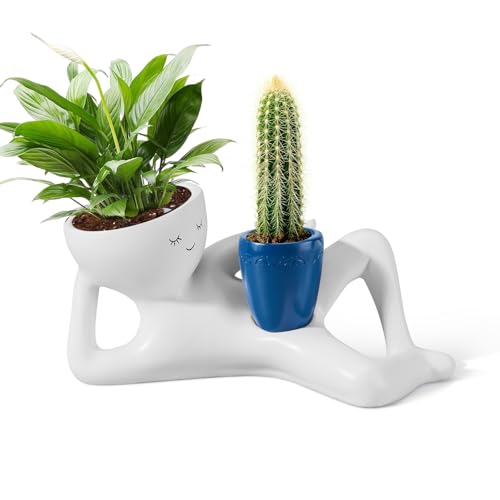
High-Quality Material: They are a very for cactuses and other small succulents and aloe . are made from premium resin that is sturdy, durable, making it an ideal choice for both outdoor and indoor pots for plants. without cracking or fading due to sun or rain. Very securely packaged in thick foam trays.

Attract Attention: funny plant pots are designed with lying down shape, the unique shape will attract more people's attention, very cute
Multiplying Aloes

When aloe vera produces offsets—commonly called “pups”—you gain natural multiplication opportunities that transform one plant into a curated collection.
Understanding aloe propagation methods and aloe growth stages lets you separate pups once they’re three inches tall.
Choose containers matching your aesthetic while honoring aloe soil preferences: well-draining cactus mix works best.
Group these new plants with aloe companion plants like echeveria for textural variety.
Monitor aloe seasonal changes and implement aloe pest control measures early.
Consider displaying your expanding aloe collection in metal raised beds to create an elevated garden showcase that maximizes both space and visual impact.
This intentional approach to aloe care tips maximizes aloe benefits overview while creating dynamic displays that evolve with your expanding collection.
Aloe Vera for Bathroom Decor

Bathrooms create surprisingly ideal microclimates for aloe vera, where natural humidity from showers complements the plant’s moisture needs without encouraging overwatering.
Bathroom humidity provides the perfect balance of moisture for aloe vera without risking the dangers of overwatering.
Position your aloe on floating shelves or elevated stools where steam reaches without direct water contact, maximizing aloe benefits while maintaining proper plant care.
Strategic bathroom placement:
- Corner pedestals elevate plants above splashing zones while maintaining humidity exposure.
- Window ledges provide essential light for photosynthesis and growth.
- Minimal pots in whites or natural tones complement spa-inspired decor styles.
- Clustered arrangements near tubs enhance relaxation tips through biophilic design.
Consider using cedar raised garden kits to create drainage systems that prevent water damage in bathroom environments while maintaining optimal moisture levels for your aloe vera plants.
Aloe Vera With a Sign Board

Personalized signage transforms aloe displays into intentional design statements that communicate purpose and botanical identity.
You’ll elevate your space by pairing plants with custom labels highlighting aloe varieties, plant benefits, or aloe care instructions. Educational signage serves dual purposes—decoration and information—making your display conversation-worthy while demonstrating horticultural knowledge.
Consider minimalist wooden tags, vintage-style plaques, or modern acrylic stands that complement your aesthetic. Sign creativity amplifies decor inspiration, turning simple greenery into curated installations. Wooden decorative plant stands provide an elegant foundation for displaying your labeled aloe collection with refined style.
Whether you’re labeling medicinal properties or species names, thoughtful signage adds sophistication while helping guests appreciate your collection’s unique characteristics and intentional placement.
Aloe on Vintage Radio

Nostalgia meets botanical design when you position aloe atop a retro radio, creating a layered vignette that bridges decades.
This styling approach celebrates vintage aesthetics while introducing organic life to collections of treasured objects.
Styling elements to contemplate:
- Scale matching – Choose compact aloe varieties that won’t overwhelm your radio’s proportions.
- Color coordination – Pair jade-green foliage with wood-toned or pastel radios for retro charm.
- Height variation – Stack books beneath your radio to create dimensional interest.
- Contextual grouping – Surround with period-appropriate objects like vinyl records or brass accents.
This pairing transforms functional storage into curated display. For outdoor settings, consider weatherproof outdoor sculptures as permanent botanical alternatives that maintain visual interest year-round.
A Mini Aloe Jungle

While singular vintage displays charm through focused composition, clustering multiple aloe specimens creates immersive botanical statements that transform neglected corners into lush micro-environments.
This approach maximizes vertical space through strategic plant arrangement using DIY planters at varying heights. Aloe propagation naturally supports this aesthetic, allowing you to cultivate diverse sizes from established specimens.
Select decorative pots in complementary tones—terra cotta, ceramic, or concrete—to maintain visual cohesion while adding textural depth.
Proper succulent care guarantees your indoor oasis thrives: provide adequate drainage, bright indirect light, and minimal watering.
This intentional clustering elevates plant aesthetics while demonstrating sophisticated indoor gardening technique.
A Beautiful Pot & Stand Combo

Elevation transforms ordinary aloe displays into architectural statements. When you pair thoughtful pot selection with strategic stand height, you’re crafting vertical interest that commands attention. This combination maximizes floor space while creating visual depth.
Essential elements for your pot-and-stand pairing:
- Match proportions – Select stands that complement your pot’s diameter, ensuring stability and balance.
- Consider sight lines – Position stand height to meet eye level in your most-used spaces.
- Coordinate finishes – Harmonize metal, wood, or ceramic materials between pot and stand.
- Optimize drainage – Choose elevated designs that accommodate saucers without compromising style.
Recommended Products

【Modern Planter Pots】The black matte planter pots with stand is perfect for growing most home and office plants such as parlor palm, dill, peace lily, snake plant, aloe vera, adding natural beauty and adding vitality to life.

8" Ceramic Planter + Wooden Stand: Elevate Your Greenery Game Perfect for mid-sized plants, this combo pairs a sleek striped ceramic pot (high-temp fired for durability) with a natural wood stand—adding boho-chic style to any room. Lightweight yet sturdy, it’s ideal for living rooms, offices, or sunlit corners.

【Adjustable Plant stand】This plant stand indoor can be adjusted from 8 to 12 inches, Fits perfectly with all outdoor indoor flower pots that are 12" or smaller in outer diameter.
An Indoor Aloe Water Garden

Water cultivation reimagines aloe’s traditional soil-bound presence into something fluid and sculptural.
You’ll appreciate water garden benefits like reduced maintenance and striking visual transparency. Position aloe cuttings in glass vessels filled with pebbles and water, creating floating rootscapes that mesmerize.
This approach suits minimalist spaces where every element must earn its place. Layer multiple containers at varying heights for dimensional interest.
Indoor aquatic plants traditionally exclude succulents, but aloe adapts surprisingly well when you refresh water weekly and provide adequate drainage shifts.
The result transforms functional plant care into architectural living art that captivates without consuming precious square footage.
A Windowpane Greenscape

Natural light transforms terracotta trays into living displays when you position them strategically along window frames. Your succulent arrangement becomes an architectural feature, combining aloe’s sculptural forms with complementary textures.
Strategic placement considerations:
- Light zones – Position shade-tolerant varieties toward edges, sun-lovers at center where window light concentrates.
- Tray dimensions – Match container width to sill depth for stability.
- Visual rhythm – Alternate heights and leaf patterns for dynamic composition.
- Seasonal rotation – Shift plants quarterly to maintain balanced growth.
This approach maximizes vertical space while creating purposeful greenery.
Aloe in a Large Tea Cup

While windowsill arrangements maximize horizontal real estate, oversized teacups offer vertical charm in compact footprints. You’ll transform underutilized surfaces into playful decor statements with these whimsical containers.
| Tea Cup Designs | Placement Strategy |
|---|---|
| Vintage floral patterns | Kitchen countertops |
| Modern minimalist white | Bathroom vanities |
| Bold geometric prints | Entryway consoles |
| Pastel-colored ceramics | Bedroom nightstands |
Select cups with drainage considerations—drill holes or layer pebbles beneath soil. The unconventional vessel creates immediate visual interest while your Aloe thrives in this compact, conversation-starting display that blends function with aesthetic intentionality.
Frequently Asked Questions
How Often Should I Water My Indoor Aloe Vera Plant?
Water your indoor aloe vera every 2-3 weeks, letting soil dry completely between waterings. Proper Aloe Care means adjusting your Watering Schedule based on light and temperature—overwatering ruins both plant health and your display’s aesthetic appeal.
What Type of Soil Is Best for Growing Aloe Vera Indoors?
You’ll want a well-draining cactus or succulent potting mix. For example, when I displayed my Aloe in that rope-wrapped basket, proper soil drainage prevented root rot while maintaining the basket’s aesthetic appeal perfectly.
Can Aloe Vera Survive in Rooms With Low Natural Light?
Aloe vera won’t thrive in low natural light—it needs bright, indirect sunlight for healthy indoor gardening. You’ll want to supplement with grow lights or position it near windows to maintain ideal light conditions and aesthetic importance.
What Are Common Pests That Affect Indoor Aloe Vera Plants?
Tiny invaders like mealybugs and spider mites’ll threaten your aloe’s aesthetic appeal. You’ll need proper mealybugs control through organic sprays, while maintaining ideal spacing between plants prevents spider mites from compromising your minimalist green displays.
How Do I Know When My Aloe Vera Needs Repotting?
You’ll notice repotting signs when Aloe Vera growth slows and roots emerge from drainage holes. The plant becomes top-heavy, tipping over easily, while water drains too quickly through crowded, compacted soil.
Conclusion
You’ve tested the theory that Aloe Vera plants are merely functional additions to your space, and you’ve discovered they’re so much more. They’re architectural elements that define your interior landscape. When you curate their placement with intention—whether suspended in mid-air, nestled in vintage vessels, or commanding attention on sleek stands—you’re not just decorating. You’re sculpting living compositions that breathe life into negative space while proving design versatility isn’t exclusive to expensive statement pieces.


