


Gardening is one of life’s simple pleasures, and as the seasons change, so does our desire to create something beautiful. That’s why I put together this guide on 19 Companion Planting Tips Using Perennials for a Thriving Garden. With so many of us embracing gardening as a way to connect with nature and find joy, I thought it was the perfect time to explore the incredible benefits of using perennials in your garden.
If you’re a garden enthusiast, a beginner, or simply someone who loves the idea of a lush outdoor space, this post is for you. You care about creating a garden that not only looks fantastic but also thrives through careful planning and planting strategies. Companion planting with perennials can help you make the most of your space while enhancing the beauty and health of your plants.
In this article, you’ll discover some surprising pairings that can lead to a more vibrant garden. Each tip highlights combinations you might not have considered before, including some delightful surprises like the unexpected friendship between yarrow and cosmos. These insights will guide you in selecting the right plants that support each other, making your garden visually appealing and more resilient to pests and diseases.
So, roll up your sleeves and get ready to dig into these companion planting strategies that utilize perennials to boost your garden success. You’ll leave with an arsenal of practical tips that you can implement right away, ensuring your garden not only survives but truly thrives.
Key Takeaways
– Companion planting can enhance growth and prevent pests, making your garden healthier.
– Some perennial pairings, like lavender and roses, create both beauty and beneficial relationships.
– Unexpected combinations, such as yarrow with cosmos, can bring surprising benefits and aesthetics.
– Pairing plants that thrive in similar conditions helps maximize your garden’s potential.
– With thoughtful planning, you can achieve a vibrant, diverse garden that blooms year after year.
1. Lavender and Roses: A Match Made in Heaven

Lavender and roses bring a soft, timeless mood to any garden. The lavender’s purple haze and its gentle fragrance pair beautifully with rose blooms in blush or deeper pink. Plant lavender along a sunny border or around a seating area, while roses form a curved hedge or cottage bed for easy viewing from a chair. Pinterest loves this calm, romantic mix where color and scent guide the eye. The scent and sight together invite lingering days outdoors.Lavender thrives in sun and well-drained soil. Roses need good air flow and regular care. This pairing works well in modest spaces if you space the plants so they can breathe. If you want a budget-friendly twist, choose nursery starts or cuttings from friends. In short, it creates a cozy corner you’ll want to visit again and again.- Use lavender beside roses for scent and pest defense
– Choose well-drained, sunny beds for both plants to thrive
– Pick airy spacing to boost blooms and airflow
– Add containers for budget-friendly color and fragrance on balconiesTogether, they create a fragrant, inviting corner you will love.
Lavender and Roses: A Match Made in Heaven
Editor’s Choice

Live Aromatic and Edible Herb – Lavender (4 Per Pack), Natural Sleep Enh…
 Amazon$24.99
Organo Republic 25 Edible Flower Seeds Variety Pack for Indoor Outdoor G…
Amazon$22.09
Lavender Tea 1LB (16Oz) 100% Certified Organic| Lavender Flowers Dried |…
Amazon$22.99
Gardening Tools, 10-Piece Gardening Gift Set for Women, Rust-Proof & Hea…
Amazon$23.99
Gardening Tools Set 9-Piece Heavy-Duty Gardening Gifts for Women Mom Wif…
Amazon$26.992. Peonies and Ferns: A Beautiful Contrast

Peonies and ferns form a scene that feels like nature painted it. The peonies’ bold, lush blooms stand out against the fern’s delicate, feathery fronds. Place the peonies where they can reach full sun, and tuck the ferns into the shade to act as a soft backdrop. This combination appears in garden shoots and magazines as a refined, tactile pairing that reads as artful and calm.For practical setup, give peonies bright light and use ferns to soften edges. Rich, well-drained soil with plenty of organic matter helps both thrive. If you’re watching the budget, look for trusted fern varieties and peony divisions from friends or local markets. This duo is versatile enough for borders or woodland beds, making a space feel cool, elegant, and welcoming.- Use peonies and ferns together for drama and grace
– Choose bright light for peonies with fern-backed shade
– Pick well-drained, rich soil with added compost for healthy growth
– Add clumps from friends or centers to save moneyThis pairing stays bright and cool, perfect for relaxing spaces.
Peonies and Ferns: A Beautiful Contrast
Editor’s Choice

Sarah Bernhardt Double Pink Peony – Large 3-5 Eye, Bare Root | Premium P…
Amazon$29.99
Sarah Bernhardt Bareroot Peony, 2-3 Eye, Great for Fall Planting!
Amazon$23.95
Sorbet Peony – Rose, Pink, White, and Cream – Fluffy Bomb Variety Bare R…
Amazon$29.99
Marde Ross & Company Duchess De Nemours Double White Peony Bulbs – Bare …
Amazon$27.99
Mons Jules Elie Peony – Double Pink Bomb Peony Bare Root 3-5 Eyes | Deli…
Amazon$27.993. Echinacea and Black-eyed Susans: Nature’s Color Palette

Echinacea and black-eyed Susans burst with warm, sunny color. The cone flowers rise at similar heights, creating a friendly range that’s easy to mix in beds or along paths. Their blooms draw bees and butterflies, turning a patch into a lively pollinator garden. Both prefer sun and good drainage, and their long bloom periods keep color in your yard from midsummer to fall. It’s a pairing you’ll see in perennial borders and rural cottage gardens alike.Group them together for a strong, cohesive effect. They like well-drained soil and modest watering. Deadhead spent flowers to encourage more blooms and to keep the display tidy all season. If you want a low-maintenance option, plant in naturalized clumps and forget-me-not companions for added texture.- Use Echinacea and Black-eyed Susans together for bees and color
– Choose well-drained soil and moderate irrigation to keep them happy
– Pick groups for bold color blocks in borders
– Add deadheading to extend bloom season throughout summerThese perennials create a lively, bee-friendly border that lasts.
Echinacea and Black-eyed Susans: Nature’s Color…
Editor’s Choice

Black Eyed Susan Seeds – Bulk Quarter Pound Bag – Over 400,000 Open Poll…
Amazon$24.99
Outsidepride Black Eyed Susan Rudbeckia Seeds – 1 lb. Perennial, Easy to…
Amazon$34.99
Organo Republic 25 Edible Flower Seeds Variety Pack for Indoor Outdoor G…
Amazon$22.09
Monarch Butterfly Garden Kit with Milkweed Seeds–Perennial Flower Seeds …
Amazon$34.994. Daylilies and Hostas: The Ultimate Shade Duo

Daylilies flood partial shade with bright, quick color, while hostas offer broad, lush leaves that stay green most of the year. This pairing shines in woodland edges and under tall trees, where light shifts through the day. The contrast between bold blooms and cool foliage gives a dynamic, easy-care look, a staple in shade gardens and beginner plots alike. You’ll notice this blend in many shade garden makeovers and woodland retreats.To make it work, plant daylilies in clusters where their color can read from a distance, and let hostas fill the gaps with leaf mass. Keep soil evenly moist but not soggy, and mulch to conserve moisture. If you’re new to gardening, this duo is forgiving and forgiving helps you learn as you grow. It brings a vibrant but restful feel to any shady corner.- Use daylilies in clumps for bold color and mass
– Choose hostas with varied leaf shape and color
– Pick soil that stays moist but drains well
– Add mulch to cool roots and reduce weedsThis pairing makes dim corners feel lush and calm.
Daylilies and Hostas: The Ultimate Shade Duo
Editor’s Choice

Mexican Fiesta Re-Blooming Daylily Flower Root – Huge Blooms up to 6″ Wi…
Amazon$21.95
Frosty Elegance Daylily Flower Root – Perennializing – Naturalizing – Ea…
Amazon$21.95
Easy to Grow Daylily Purple D’oro 3 Plant Divisions – Hemerocallis Purpl…
Amazon$24.47
Live Perennial Hosta – Assorted Varieties (3 Plants Per Pack) Beautiful …
Amazon$22.82
Easy to Grow Hosta Bumper Crop Mix 10 Trimmed Roots – Mixed Varieties Co…
Amazon$29.475. Campanula and Alliums: A Tower of Beauty

Campanula (bellflower) and alliums bring a striking vertical element to your garden. Bells cascade in soft drifts, while alliums rise tall with round, architectural blooms. The mix gives you color from spring into early summer and a sculptural presence that catches the eye from across the yard. It’s a trend you’ll notice in modern border designs and prairie-inspired plantings.Layout tips favor clusters of campanula in the front and alliums behind, so the spheres peek over the bells. Both prefer well-drained soil and sun to partial shade. Water regularly until established, then alliums are surprisingly drought-tolerant. The combination offers movement and height, making your beds feel curated and purposeful.- Use Campanula clusters in front with alliums behind
– Choose well-drained soil and full sun
– Pick staggered bloom times for long interest
– Add bulbs and perennials for easy maintenanceThe result is a tall, graceful display you can enjoy across seasons.
Campanula and Alliums: A Tower of Beauty
Editor’s Choice

Purple Allium Bulbs for Planting – Easy to Grow Perennial Flowers, Top S…
Amazon$22.96
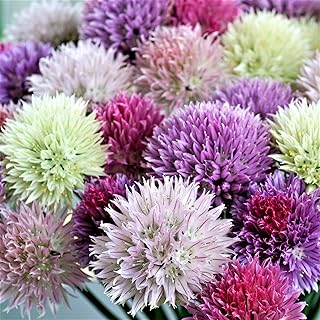
Easy to Grow Allium Summer Sparkler Mix 60 Plant Bulbs – Colorful Pink, …
Amazon$23.97
6. Sedum and Ornamental Grasses: The Perfect Pair

Sedum and ornamental grasses create a calm, drought-smart landscape. Sedums stay compact and provide color through dry periods, while grasses add motion and softness with their swaying blades. This mix thrives in sunny spots and works well in rock gardens, borders, or sunny slopes. You’ll often see it in water-wise garden features and prairie-style setups.Plant sedums in patches among grasses for a natural look. Both tolerate poor soils and require little water once established. In fall, grasses glow with warm tones while sedums stay bright, giving you year-round appeal. This pairing keeps blooms coming with minimal effort.- Use sedum patches among grasses for texture
– Choose drought-tolerant varieties for low maintenance in hot beds
– Place in sunny spots to pop colors
– Add mulch to retain moisture and reduce weedsThis duo stays lively and easy to care for.
Sedum and Ornamental Grasses: The Perfect Pair
Editor’s Choice

Live Sedum Succulent Mat, 10 in. by 20 in. Plant Tray for Landscaping, S…
Amazon$28.98
Perennial Farm Marketplace Sedum x ‘Autumn Joy’ (Stonecrop) Groundcover,…
Amazon$24.99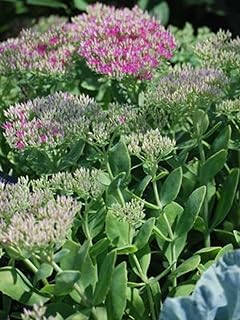
Perennial Farm Marketplace Sedum spec. ‘Neon’ (Stonecrop) Groundcover, S…
Amazon$24.99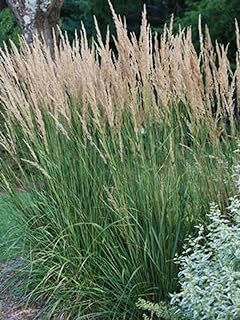
Perennial Farm Marketplace Calamagrostis a. ‘Karl Foerster’ (Feather Ree…
Amazon$29.99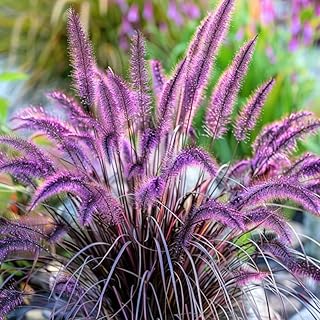
Set 3 Fountain Grass Plants Live Clumps for Planting Your Garden, 4-8 In…
Amazon$38.997. Bee Balm and Monarda: A Pollinator’s Paradise

Bee balm and monarda draw bees and butterflies with bold, nectar-rich blooms and a minty scent. This duo fills a bed with bright color and a strong garden scent, inviting visitors to linger. The long flowering period keeps pollinators returning, while aromatic foliage adds another sensory layer. You’ll find these perennials in butterfly gardens and pollinator plots across many regions.Choose a sunny spot with plenty of air flow to prevent fungal issues. Keep soil evenly moist during peak heat and mulch to conserve moisture. Both plants tolerate a range of soils, but they prefer organic matter. Plant in groups to create scent pockets that attract pollinators and brighten the border.- Location: Choose a sunny spot with good air circulation
– Watering: Both need regular watering, especially in dry climates
– Companion planting benefits: These plants help ward off pests like aphids and spider mites
– Use bee balm and monarda together for a pollinator paradiseThis pairing keeps pollinators visiting and the garden alive.
Bee Balm and Monarda: A Pollinator’s Paradise
Editor’s Choice

BUZZY Wildflower Pollinator Seed Mix (1lb Bag), 18 Pollinator-Friendly V…
Amazon$24.99Monarch Butterfly Garden Kit with Milkweed Seeds–Perennial Flower Seeds …
Amazon$34.99
Pollinator Wildflower Seed Shaker Collection – ~300,000+ Wild Flower See…
Amazon$34.95
Organo Republic 16 Perennial Wildflower Seeds Mix for Indoor & Outdoors….
Amazon$22.99
Everwilde Wild Bergamot Seeds 1/4 lb – Native Perennial Wildflower – Att…
Amazon$33.018. Yarrow and Cosmos: A Surprising Friendship

Yarrow and cosmos create a lively, easygoing display. Yarrow’s flat-topped blooms mix with cosmos’ airy, daisy-like flowers to form a soft, multi-layered border. Yarrow attracts beneficials and tolerates poorer soils, while cosmos bring cheerful color and quick growth. You’ll notice this pairing in cottage gardens and native plant borders where resilience matters as much as charm.Space plants well to give each one room to spread. Yarrow prefers drier, well-drained soil, while cosmos adapt to a range but love sun. Deadhead cosmos to extend their bloom, and let the yarrow bloom on its own schedule. Interplant to shade the soil and reduce weeds, creating a healthier garden.- Use yarrow and cosmos for airy color blocks
– Choose well-drained, lighter soils for growth and ease
– Pick staggered heights for visual rhythm
– Add deadheading to extend bloom cycle through summerThis duo keeps colors lively and insects happy.
Yarrow and Cosmos: A Surprising Friendship
Editor’s Choice

Dirt Goddess Super Seeds ~White Yarrow Seeds Achillea millefolium (1 Lb)…
Amazon$37.95
Outsidepride Achillea Millefolium Wild White Yarrow Seeds – 1 Lb. Perenn…
Amazon$49.99
Sweet Yards Cosmos Seeds Wildflower Mixture – Bulk Quarter Pound Bag Ove…
Amazon$27.99

Outsidepride Sensation Mix Cosmos Bipannatus Seeds – 1 lb. Annual, Droug…
Amazon$34.99You might also like


9. Salvia and Catmint: A Fragrant Alliance

Salvia and catmint combine bold scent with drought tolerance. Salvia’s tall spikes rise above a soft mat of catmint, creating a scented border that breezes through hot days. Both plants attract pollinators and add texture with sturdy stems and aromatic leaves. You’ll see this pairing in herb gardens and modern perennial beds alike.Plant salvia toward the back where it can stand tall, with catmint in front for contrast. They handle drought well once established, so a light mulch helps. Trim catmint after flowering to extend its graceful look and keep it from flopping.- Use tall salvia back with catmint front for balance
– Choose drought-tolerant textures for low care in hot climates
– Pick aromatic leaves to boost scent in beds
– Add regular pruning to maintain shapeTogether they make a border that smells wonderful and looks calm.
Salvia and Catmint: A Fragrant Alliance
Editor’s Choice
Back to the Roots 25.7qt (1 Cubic ft) Organic Premium Mulch
Amazon$25.09
Blue Mountain Hay | Organic Garden Straw (5 lb) | Natural Mulch for Gard…
Amazon$34.99
Brut Organic Aspen Mulch – 1 Cubic f., Natural Weed Preventer, Water Ret…
Amazon$29.99
Premium 8 Pounds Pine Straw Mulch for Landscaping, Organic Material Made…
Amazon$34.99
Pine Straw Mulch | Sustainable, Long-Lasting, Easy-to-Spread | OMRI List…
Amazon$69.9510. Phlox and Delphiniums: A Classic Garden Pair

Phlox brings soft color, while delphiniums tower above with dramatic spires. The combination creates height and a painterly sweep of color in the summer garden. Phlox blooms throughout the season, while delphiniums flash early to midsummer for a two-part display. It’s a timeless look in borders, cottage plots, and formal beds alike.Place delphiniums in the back so their height frames the border, with phlox filling the middle and front. Use well-drained, rich soil so both plants perform at their best. This pairing helps deter some aphids and keeps air moving through the bed, aiding plant health.- Use phlox clusters in front of tall delphiniums
– Choose well-drained soil rich in organic matter
– Pick color contrasts that complement blues and purples
– Add mildew checks and ensure good air flowThey create a stately, colorful display from late spring onward.
Phlox and Delphiniums: A Classic Garden Pair
Editor’s Choice

FoxFarm Happy Frog Potting Soil, 12qt – for Indoor/Outdoor Container Pla…
Amazon$21.99
FoxFarm Ocean Forest Potting Soil, 1.5cu ft – Light, Aerated Texture, De…
Amazon$33.99
Coast of Maine Organic & Natural Planting Soil for Roses & Flowers – Pre…
Amazon$31.97
Coast of Maine Organic & Natural Planting Soil for Roses & Flowers – Pre…
Amazon$23.08
FoxFarm Ocean Forest Potting Soil, 1.5cu ft (Pack of 2) – Light, Aerated…
Amazon$67.5911. Aster and Sedum: Fall Beauties

As the season cools, asters and sedums brighten the beds with purples, pinks, and golds. Asters bring late color while sedums provide sturdy, drought-tolerant texture. The mix draws late-season pollinators like butterflies, making your garden a late-year haven. Sedum’s fleshy leaves help conserve moisture and stay vibrant as the weather shifts.Group asters for a fuller look, and keep soil well-drained. Both like sunny spots with light moisture in summer. Asters bloom late, while sedums hold color well into winter, giving you ongoing interest.- Use asters massed with sedum spears for contrast
– Choose well-drained soil and light moisture levels in beds
– Pick late-season bloom to extend color in your landscape
– Add mulch to protect roots in winterThis pairing keeps your garden lively well into frost.
Aster and Sedum: Fall Beauties
Editor’s Choice
Perennial Farm Marketplace Sedum x ‘Autumn Joy’ (Stonecrop) Groundcover,…
Amazon$24.99Perennial Farm Marketplace Sedum spec. ‘Neon’ (Stonecrop) Groundcover, S…
Amazon$24.99
Sedum Night Embers #1 Size Root for Planting – Hardy Perennial, Dark Fol…
Amazon$24.99Live Sedum Succulent Mat, 10 in. by 20 in. Plant Tray for Landscaping, S…
Amazon$28.9812. Heliopsis and Rudbeckia: Sunshine Companions

Heliopsis and Rudbeckia light up the garden with sunlit yellows. Both love full sun and roomy soil, and their blooms attract many pollinators. Heliopsis offers creamy blooms with a steady form, while Rudbeckia provides classic black centers that stand out in borders and meadow-style beds. The look is cheerful and welcoming, often used in cottage and prairie borders.Plant rudbeckia in drifts to create mass, and circle them with heliopsis for a sun-kissed halo. They require well-drained soil and regular watering during dry spells. Bloom time runs from mid-summer to fall, keeping the bed bright for months.- Use drifts of rudbeckia with round heliopsis centers
– Choose well-drained soil and regular watering in drought
– Place taller plants to the back for layered effect
– Add deadheading to extend color into fallThe result is a bright, lasting border that welcomes butterflies.
Heliopsis and Rudbeckia: Sunshine Companions
Editor’s Choice

Michigan Peat Compost and Manure Blend, Garden Magic Mix with Odor-Free …
Amazon$25.74
Espoma Organic Land and Sea Gourmet Compost with Lobster & Crab Meal; th…
Amazon$27.28
Old Potters Organic Compost – Plant Based Potting Soil – Home, Garden Fe…
Amazon$36.99
Coast of Maine Organic & Natural Quoddy Blend Lobster & Crab Compost Ble…
Amazon$24.84Coast of Maine Organic & Natural Planting Soil for Roses & Flowers – Pre…
Amazon$34.9913. Coreopsis and Veronicastrum: Radiant Harmony

Coreopsis adds sunny color while Veronicastrum lifts the eye with tall, slender spikes. The duo thrives in sun and can handle poorer soils with ease. Both attract pollinators, making this a friendly choice for sustainable borders. You get a lively front with a grand vertical accent behind it, giving a relaxed, confident look to your beds.Plant Veronicastrum in the back and let coreopsis spill forward. Both love full sun and tolerate average soils. Regular deadheading helps coreopsis bloom longer. It’s a simple, enduring planting that works well in perennial borders.- Use tall veronicastrum behind low coreopsis drifts
– Choose full sun and poor to average soil
– Pick steady deadheading for extended bloom through season
– Add water-wise mulch to keep moisture balancedThis pair keeps color up front while height adds drama.
Coreopsis and Veronicastrum: Radiant Harmony
Editor’s Choice
Back to the Roots 25.7qt (1 Cubic ft) Organic Premium Mulch
Amazon$25.09
GardenStraw, 3 cu ft (20 lbs) Pack of 1 – All-Natural Mulch for Gardens,…
Amazon$39.99
HealthiStraw GardenStraw, 3 cu ft (20 lbs) Pack of 1 – All-Natural Mulch…
Amazon$39.99Blue Mountain Hay | Organic Garden Straw (5 lb) | Natural Mulch for Gard…
Amazon$39.99
Blue Mountain Hay | Organic Garden Straw (10 lb) | Natural Mulch for Gar…
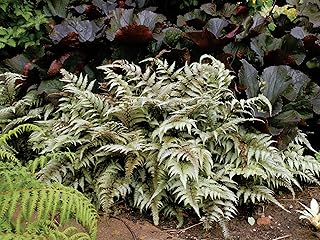
Amazon$49.9914. Astilbe and Japanese Fern: Shady Charm

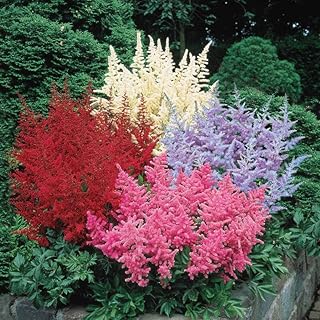
Astilbe’s plume-like flowers bring color to shade, while Japanese ferns offer lush green foliage. The result is a soft, layered look that stays cool and quiet under trees or on east-facing borders. The combination is a favorite for shade gardens and woodland starters, delivering calm without fuss.Plant astilbe in clusters to maximize impact, and keep ferns evenly moist. Both like moisture, so a consistently damp bed suits them well. Astilbe blooms in summer and the fern’s foliage remains year-round, giving you a lasting, gentle backdrop.- Use astilbe clusters for bright plume color
– Choose rich, moist soil for ferns to thrive
– Place in shaded borders with morning sun
– Add consistent moisture for year-round foliage healthThis quiet duo brings calm and grace to shady corners.
Astilbe and Japanese Fern: Shady Charm
Editor’s Choice
Astilbe Mix Roots- Astilbe Mixed Colors | Perennial Astilbe Flower, Nons…
Amazon$32.98
Astilbe Erika (Arendsii Hybrid) Bare Roots Ready to Plant — Hardy Perenn…
Amazon$39.99
Perennial Farm Marketplace (Japanese Painted) Hardy Fern, Size-#1 Contai…
Amazon$29.99
Greenwood Nursery: Live Perennial Plants – Japanese Painted Fern + Athyr…
Amazon$27.95You Might Also Like

15. Balloon Flower and Ferns: A Textured Delight

Balloon flowers offer sculptural buds that open into star-shaped blooms, while ferns provide delicate, lacy leaves. The pairing creates texture and contrast that reads well in borders and sunlit woodland edges. It’s a straightforward mix that many new gardeners can enjoy, because both plants tolerate a range of soils and light levels.Space balloon flowers so their stems can rise without crowding. Plant in well-drained soil with full sun for best results. Prune ferns in spring to encourage fresh growth and keep the bed looking tidy.- Use balloon flowers as focal points among ferns
– Choose well-drained soil in full sun areas for best growth
– Place with spacing to let stems rise
– Add light pruning to encourage new growthThis mix adds color and texture you can easily manage.
Balloon Flower and Ferns: A Textured Delight
Editor’s Choice
Kimura® 8″ Pro Bypass Pruning Shears, Heavy Duty Japanese SK5 Steel Blad…
Amazon$24.99
Organic Mechanics Container Blend Potting Soil, 16 qt – All-Purpose, Pea…
Amazon$24.99FoxFarm Ocean Forest Potting Soil, 1.5cu ft – Light, Aerated Texture, De…
Amazon$33.99Coast of Maine Organic & Natural Planting Soil for Roses & Flowers – Pre…
Amazon$23.08
Coast of Maine Organic & Natural Planting Soil for Acid Loving Plants Az…
Amazon$20.4416. Columbine and Snakeroot: A Natural Partner

Columbine with snakeroot makes an artful pair. Columbine offers unusual, delicate blooms while snakeroot brings slender, upright stems. They grow best in partial shade and tolerate a range of soils, which makes them good for shady borders. Both attract hummingbirds and butterflies, boosting the life around your beds. With similar needs, they’re easy to care for and can fill a bed with height and charm.Use moist, well-drained soil for both plants. Place columbines toward the front and snakeroot at the back to add height variation. Light feeding during the growing season helps bloom. This pairing invites movement and life into the shade garden.- Soil needs: Moist, well-drained soil is essential for both
– Planting advice: Place columbines at the front and snakeroot at the back for height variation
– Care tips: Fertilize lightly during the growing season for optimal bloomsTogether they create a gentle, inviting garden scene.
Columbine and Snakeroot: A Natural Partner
Editor’s Choice

Espoma Organic Plant-Tone 5-3-3 Natural & Organic All Purpose Plant Food…
Amazon$57.88
Down To Earth All Natural Fertilizers Organic Rose & Flower Mix – Plant …
Amazon$24.98
Espoma Organic Flower-Tone 3-4-5 Natural & Organic Plant Food; 4 lb. Bag…
Amazon$49.95
Dr. Earth Flower Girl Bud & Bloom Booster 4-10-7 Fertilizer, 4 lbs, 4 li…
Amazon$24.51
Miracle-Gro Water Soluble Bloom Booster Flower Food, Plant Food for Annu…
Amazon$20.8817. Michaelmas Daisy and Goldenrod: A Fall Finale

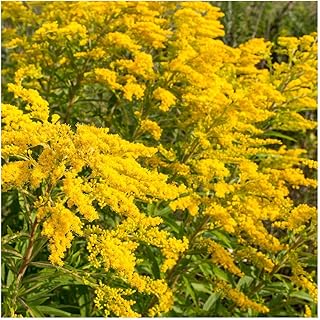
Michaelmas daisies and goldenrod turn up in rich purples and golds as summer wanes. They bloom together, making a bold, late-season statement that keeps pollinators busy. Both plants are sturdy and easy to care for, so your garden stays lively even as other flowers fade. You’ll find this combo featured in autumn borders and country garden plans.Group them in a loose drift near a path or seating area so the color can be enjoyed close up. They like well-drained soil with steady moisture through dry spells. Plant them to overlap bloom windows, giving you a cheerful finish to the growing year.- Use drifts across beds for impact and depth
– Choose well-drained soil with steady moisture through season
– Place by borders to greet visitors in fall
– Add mulch to protect roots when frost nearsThis pairing makes autumn colorful and welcoming.
Michaelmas Daisy and Goldenrod: A Fall Finale
Editor’s Choice
Everwilde Farms – 1 Oz Canada Goldenrod Native Wildflower Seeds – Gold V…
Amazon$28.00
Organo Republic 16 Perennial Wildflower Seeds Mix for Indoor & Outdoors….
Amazon$22.99
Gardeners Basics, Flower Seeds Packets for Planting 35 Individual Variet…
Amazon$29.95
United States Nationwide Bulk Perennial Wildflower Seed Mix – All U.S. Z…
Amazon$25.4518. Balloon Flower and Bee Balm: A Buzzing Combination

Balloon Flower paired with bee balm creates a lively border full of color and motion. Balloon flowers open into star-shaped blooms, while bee balm clusters shine and lure many pollinators. The mix keeps the bed active through the growing season and helps your garden breathe with life. You’ll often see this duo in pollinator-friendly plots and casual borders.Space evenly to give each plant room to spread. Use well-drained soil that holds some moisture. Prune bee balm after flowering to encourage new growth and prevent legginess. This pairing brings energy and movement without extra work.- Space them evenly for an abundant look
– Use well-drained soil that retains some moisture
– Prune plants to promote bushier growth
– Place blooms where they’re easy to see from seating areasTogether they invite bees while bright blooms brighten paths.
Balloon Flower and Bee Balm: A Buzzing Combination
Editor’s Choice

Platycodon Grandiflorus ‘Sentimental Blue’ (Balloon Flower) #1 Size Root…
Amazon$26.99Platycodon Grandiflorus ‘Sentimental Blue’ (Balloon Flower) #1 Size Root…
Amazon$53.99

Perenial Farm Marketplace Monarda x ‘Bubblegum Blast’ (Sugar Buzz® Bee B…
Amazon$24.99
Perennial Farm Marketplace Monarda x ‘Raspberry Wine’ (Bee Balm) Perenni…
Amazon$24.9919. Phlox and Geranium: An Enduring Friendship

Phlox and geraniums create a steady rhythm of color and structure. Phlox adds soft, mid-season blooms while geraniums fill in with evergreen-like texture and ground cover. They are hardy, easy to care for, and attract pollinators, making them reliable partners in both formal borders and cottage gardens. The mix helps beds stay lively across changing weather and light conditions.Group phlox with geraniums to form a dense carpet, letting each plant hold its own space. Use well-drained soil and give both plants enough sun to thrive. Deadhead phlox to encourage more blooms and to maintain a tidy bed.- Use phlox clusters over geraniums for depth and texture
– Choose well-drained soil with good sun exposure in beds
– Pick color mixes to repeat across borders
– Add regular deadheading to boost bloomsThis collaboration yields a sturdy, cheerful border all season.
Phlox and Geranium: An Enduring Friendship
Editor’s Choice
Organo Republic 16 Perennial Wildflower Seeds Mix for Indoor & Outdoors….
Amazon$22.99BUZZY Wildflower Pollinator Seed Mix (1lb Bag), 18 Pollinator-Friendly V…
Amazon$24.99
Pollinator Wildflower Seeds Bulk – 1 lb, 640,000+ Seeds – 23 Variety Mix…
Amazon$41.49
Package of 100,000 Wildflower Seeds – Save The Bees Wild Flower Seeds Co…
Amazon$34.99
Wildflower Seed Mix 1LB Tub – Save The Bees Seed Mix, by GevaGrow | Bulk…
Amazon$49.99Conclusion

Creating a thriving garden using companion planting with perennials can transform your outdoor space into a vibrant haven. Each pairing offers unique benefits, from pest control to attracting pollinators.
By experimenting with these combinations, you’ll not only celebrate nature’s beauty but also contribute to a healthier ecosystem. Happy gardening!
Note: We aim to provide accurate product links, but some may occasionally expire or become unavailable. If this happens, please search directly on Amazon for the product or a suitable alternative.
This post contains Amazon affiliate links, meaning we may earn a small commission if you purchase through our links, at no extra cost to you.
Frequently Asked Questions
What Is Companion Planting and How Can Perennials Help?
Companion planting is a gardening technique where different plants are grown together for mutual benefits. Perennials play a crucial role in this method as they establish deep roots, provide stability, and often attract beneficial insects. For example, pairing lavender with vegetables can repel pests, while bee balm attracts pollinators to enhance your garden’s overall health.
Are There Specific Perennials That Are Best for Companion Planting?
Absolutely! Some top perennials for companion planting include chamomile, which promotes healthy growth in nearby plants, and rue, known for its pest-repelling qualities. By incorporating these perennials into your garden, you can foster a thriving ecosystem that supports your garden’s success!
How Do I Decide Which Perennials to Plant Together?
Choosing the right perennials for companion planting involves understanding their growth habits, light requirements, and pest-repelling abilities. For instance, pairing daylilies with black-eyed Susans can create a vibrant display while also attracting pollinators. Researching compatibility is key to maximizing your garden’s potential.
Can Companion Planting with Perennials Save Me Time and Resources?
Definitely! Companion planting with perennials can save you time and resources by reducing the need for chemical fertilizers and pesticides. As these plants become established, they often require less maintenance. By creating a balanced ecosystem, you’ll find that your garden thrives with less intervention, leading to a more sustainable gardening practice.
What Surprising Benefits Can I Expect from Using Perennials in Companion Planting?
You’ll be amazed at the benefits! Not only do perennials enhance the beauty of your garden, but they also improve soil health and promote biodiversity. For instance, certain perennials can help fix nitrogen in the soil, benefiting neighboring plants. Plus, their long-lasting nature means less replanting, saving you time and effort in the long run!
Related Topics


